THE FDA has not signed off yet, but the panel has recommended it be approved. They expect the approval to follow. Once there is approval they expect to have the vaccine across the country within 48 hours.
I will post an update as soon as I learn it has received the go ahead.
FDA panel considers emergency approval of Pfizer-BioNTech coronavirus vaccine
LIVE
A U.S. advisory panel meets to decide whether to recommend that the Food and Drug Administration approve the Pfizer-BioNTech coronavirus vaccine. (The Washington Post)
BioNTech SE (; short for Biopharmaceutical New Technologies) is a German biotechnology company based in Mainz that develops and manufactures active immunotherapies for patient-specific approaches to the treatment of diseases. It develops pharmaceutical candidates based on messenger RNA (mRNA) for use as individualized cancer immunotherapies, as vaccines against infectious diseases and as protein replacement therapies for rare diseases, and also engineered cell therapy, novel antibodies and small molecule immunomodulatorsas treatment options for cancer. The company has developed an mRNA-based human therapeutic for intravenous administration to bring individualized mRNA-based cancer immunotherapy to clinical trials and to establish its own manufacturing process. In 2020, BioNTech’s RNA vaccine candidate for preventing COVID-19 infections, BNT162b2, was in Phase III clinical trials in the United States. On 2 December 2020, temporary Human Medicines Regulations (HMR) authorisation was granted by the United Kingdom government for BNT162b2 vaccinations within the UK.
Dec 10, 2020 · BNT162b2 is a lipid nanoparticle–formulated, nucleoside-modified RNA vaccine that encodes a prefusion stabilized, membrane-anchored SARS-CoV-2 full-length spike protein.
Adenine is a nucleobase with the symbol A or Ade. One of the 4 nucleobases that make it up DNA’s nucleic acidis represented by the letters G-C-A-T. The remaining three are guanine, cytosine, and thymine. Its products, which include the energy-dense adenosine triphosphate (ATP) and the cofactors nicotinamide adenine dinucleotide (NAD), flavin adenine dinucleotide (FAD), and Coenzyme A, play a number of roles in biochemistry, including cellular respiration.
Additionally, it plays a role in the creation of proteins and is a chemical building block of DNA and RNA.Adenine supports either thymine in DNA or uracil in RNA in terms of form.
One of the four nucleotide bases in DNA, along with cytosine (C), guanine (G), and thymine, is adenine (A) (T).Adenine nucleotides on one strand of a double-stranded DNA molecule couple with thymine bases on the other strand. Information in DNA is represented by the four nucleotide bases’ arrangement.
Pure adenine is represented as a separate molecule in the photograph to the right. When incorporated into DNA, deoxyribose sugar and the bottom left nitrogen form a covalent connection (thereby removing the existing hydrogen atom). As a component of a bigger molecule, the leftover structure is known as an adenine residue. Deoxyadenosine isadenine connected to deoxyribose, which is used to produce DNA. Adenosine is adenine reacting with ribose, as utilized in RNA and ATP.
2. What is Adenine?
Human cells contain the chemical adenosine. Adenosine, adenosine monophosphate (AMP), and adenosine triphosphate are the three variants (ATP).
The electrical signals in the heart that lead to erratic heart rhythms are blocked by adenosine. A shift in energy metabolism that results in weight loss in persons with advanced cancer may also be prevented by ATP.
For a disorder involving a rapid heartbeat, the US FDA has approved the use of an injectable version of adenosine as a prescription medication (paroxysmal supraventricular tachycardia). Additionally, it is a prescription medication used to identify blockages in the heart’s arteries. There isn’t any solid research to back up the usage of adenosine, AMP, and ATP as supplements for cold sores, sports performance, or any other purpose.
3. Definition of Adenine:
Adenine is a purine-family chemical molecule that can be found free in tea or associated with many other important biological components, such as the nucleic acids that control all cells’ hereditary traits.
4. Structure of Adenine:
An amine group is connected to the carbon atom at position 6 of the purine nucleobase adenine. Deoxyadenosine and adenosine nucleosides are formed from adenine.
Adenosine, also known as vitamin B4, is created when adenine, sometimes referred to as vitamin B4, interacts with the sugar ribose to create AMP, ADP, and ATP. These compounds of adenine play crucial roles in cellular metabolism.One of the four nitrogenous bases used in the creation of nucleic acids is adenine.
Cyclic AMP, a modified version of adenosine monophosphate, is a crucial secondary messenger in the spread of several hormonal stimuli.The coenzyme adenine is a crucial component of several of them. The transitory heart block in the AV node of the heart is brought on by adenosine, which is adenine with a ribose group. Adenosine is utilized to help determine the rhythm in people who are thought to have supraventricular tachycardia (SVT). Adenosine can be used to successfully end some SVTs.
Adenine, which is made up of a purine with an amino group at position C-6, is the parent molecule of the 6-aminopurines. It functions as a human, Daphnia Magna, Saccharomyces cerevisiae, Escherichia coli, and mouse metabolite, among other metabolites. It belongs to the family of 6-aminopurines and is a purine nucleobase. It originates from the 9H-purine hydride.
Adenine can produce a number of tautomers, which are quickly interconvertible and frequently regarded as comparable compounds. However, the 9H-adenine tautomer is primarily encountered in isolated circumstances, such as in an inert gas matrix and in the gas phase.
Tautomers are two molecules with the same molecular formula but different connectivity – constitutional isomers, in other words – which can interconvert in a rapid equilibrium.
5. The function of Adenine:
One of the nitrogenous bases used in the creation of nucleic acids is adenine. One of the two purine nucleobases utilized to create the nucleotides of the nucleic acids is adenine.Adenine and thymine form two hydrogen bonds in DNA, which helps to stabilize the nucleic acid structures.
The organic base of purine is adenine. It performs numerous functions in biochemistry, most notably cellular respiration. It serves as a chemical building block for RNA and DNA.
A purine, or ring-shaped chemical compound, adenine, or C5 H5 N5, is one. It used to be known as vitamin B4, but it no longer is. Like glycine, adenine is a nitrogenous base.
Adenine, or C5H5N5, is a molecule found in DNA and RNA that plays a part in protein synthesis as well as cellular respiration in the form of ATP, NAD, and FAD.
Adenine plays a number of significant roles in the field of biochemistry, including the synthesis of proteins, the production of energy-rich ATP and NAD, and the chemical construction of DNA and RNA.
Adenine is a purine that plays a variety of roles in biochemistry, including protein synthesis and cellular respiration in the form of the energy-dense adenosine triphosphate.
One of the two purine nucleobases used to create nucleotides for nucleic acids is adenine. Adenine establishes two hydrogen bonds with thymine in DNA to maintain and stabilize the nucleic acid structures.
One of the two purine nucleobases, along with guanine, that go into creating the nucleotides of nucleic acids is adenine. In DNA, adenine, and thymine establish two hydrogen bonds that participate in maintaining the nucleic acid structures. Adenine interacts with uracil in RNA, which is needed for protein production.
When adenine is connected to ribose, it produces adenosine, a nucleoside, and when it is attached to deoxyribose, it produces deoxyadenosine. Adenine also produces adenosine triphosphate (ATP), which powers numerous cellular metabolic processes by delivering chemical energy between reactions.
Adenine is a purine that plays a number of roles in both protein synthesis and biochemistry as a chemical component of DNA and RNA as well as the energy-rich adenosine triphosphate and the add the following nicotinamide adenine dinucleotide and flavin adenine dinucleotide.
As a chemical constituent of DNA and RNA, adenine plays a role in the production of proteins. Adenine is a nucleotide base that forms nucleotides when it combines with thymine in DNA and uracil in RNA. Adenine plays a number of roles in biochemistry, including cellular respiration in the form of ATP, NAD, and FAD. Additionally, DNA and RNA’s chemical makeup is a component of protein production.
6. Uses of Adenine:
Rapid heart rate: To treat specific types of irregular heartbeat, adenosine is an IV medication that is only available by prescription. Only a healthcare professional may administer this medication.
Adenosine
Heart disease diagnosis: Adenosine is an IV medication available exclusively by prescription and authorized to diagnose coronary artery disease. This medication must only be administered by a medical professional.
Involuntary weight loss in people: Patients with advanced non-small-cell lung cancer and other malignancies appear to benefit from receiving ATP intravenously in terms of appetite, food intake, and quality of life. Only a healthcare professional may administer IV products.
Pain after surgery: Adenosine injected into the bloodstream after surgery, will reduce pain or the need for painkillers. Only a healthcare professional may administer IV products.
Nausea and vomiting after surgery: After surgery, injecting adenosine intravenously will help to reduce nausea or vomiting. The prescription of IV products is directed to medical specialists.
7. Dose of Adenine:
Only by prescription and only as an IV medication, adenosine is available. There isn’t enough trustworthy data to determine what an appropriate dose of adenosine could be when used as a supplement. Dosages can be extremely important, and natural products are not really safe, so keep that in mind. Prior to use, make sure to seek the advice of a healthcare professional and observe all pertinent instructions on product labels.
“BioNTech SE (; short for Biopharmaceutical New Technologies) is a German biotechnology company based in Mainz that develops and manufactures active immunotherapies“
bio·tech·nol·ogy
[ˌbʌɪə(ʊ)tɛkˈnɒlədʒi]
noun
biotechnology (noun)
the exploitation of biological processes for industrial and other purposes,especially the genetic manipulation of microorganismsfor the production of antibiotics, hormones, etc..
Immunotherapy, also known as biological therapy or biotherapy, encompasses a diverse set of therapeutic strategies that harness or modify theimmune system to designed to stimulate or guide the immune system
Spiritual Significance of Mainz
Mainz’s spiritual significance is rooted in its over 1,000-year history as the seat of the Archbishop of Mainz, one of the seven Electors of the Holy Roman Emperor and a central ecclesiastical authority in medieval Europe50holysites.com+1. The city’s cathedral, Mainz Cathedral (Mainzer Dom), is one of the three great Romanesque Imperial Cathedrals of the Rhine Valley, alongside Speyer and Worms 50holysites.com.
Historical and Religious Role Founded around 975 CE and first consecrated in 1009, Mainz Cathedral has served as a center of prayer, pilgrimage, and episcopal authority50holysites.com+1. The Archbishop of Mainz was not only a spiritual leader but also a political power,influencing the election of emperors and shaping the religious and cultural life of the Holy Roman Empirerhodetrips2110.wordpress.com. The cathedral’s collection of medieval archbishops’ tombs is among Germany’s finest examples of monumental sculpture 50holysites.com.
Pilgrimage and Spiritual Practices
Today, Mainz Cathedral remains a living place of worship and pilgrimage. Pilgrims come seeking blessings for health, success, and divine favor, and those facing life’s crossroads look for guidance and discernment50holysites.com. Regular Eucharistic adoration,Mass, and feast-day observances create a continuous spiritual rhythm, connecting contemporary believers to a centuries-old tradition 50holysites.com.
Symbolism and Transformation For many, visiting Mainz is more than a journey to a building — it is a transformative spiritual experience.The cathedral’s atmosphere, shaped by centuries of worship, is believed to open pathways to wisdom and clarity50holysites.com. Its location along the Rhine, a historic trade and pilgrimage route, also ties it to the broader spiritual geography of Europe studyguides.com.
Legacy The Archbishopric of Mainz’s legacy blends spiritual authority, cultural patronage, and political influence, making Mainz a site where faith and history intersect rhodetrips2110.wordpress.com. The cathedral stands as both a monument to the past and a vibrant center of present-day Christian life, embodying the enduring spiritual significance of Mainz.
In essence, Mainz’s spiritual significance lies in its role as a sacred seat of the Church, a pilgrimage destination, and a place where the faithful seek divine guidance and renewal.
Governor Gretchen Whitmer announced that Michigan will receive the first shipment of the Pfizer COVID-19 vaccine on Dec. 15 to be distributed across the state.
Posted at 1:34 PM, Dec 10, 2020
and last updated4:34 PM, Dec 10, 2020
(WXYZ) — Michigan will receive approximately 84,000 doses of the Pfizer vaccine in first shipment, once approved by the FDA, state officials said Thursday.
The Food and Drug Administration’s Vaccines and Related Biological Products Advisory Committee is currently holding a meeting to consider Pfizer’s coronavirus vaccine, which has already gotten authorization from officials in Canada and the UK.
The committee will weigh the vaccine’s efficacy, and could issue an emergency use authorization of the vaccine by early next week.
An emergency use authorization allows practitioners to administer a vaccine despite it not gaining full FDA approval. The EUA means that the vaccine is allowed to be used in non-clinical settings, which would allow Americans not in a trial or hospital setting to get the vaccine.
Michigan Department of Health and Human Services Director Dr. Joneigh Khaldun has said that there are 48 hospitals and 12 local health departments that have the freezer capabilities to be able to receive and administer the Pfizer vaccine.
Additionally, Dr. Khaldun said that once the Moderna vaccine is approved, expected later this month, Michigan will receive an estimated 173,000 doses in its first shipment.
The state’s first priority, she said, will be to keep healthcare systems operating. That means the first vaccines will likely go to frontline healthcare workers, EMS workers, and other workers in ICUS and emergency departments. They will also likely go to those living and working in long-term care facilities.
Visit ourThe Rebound Detroit, a place where we are working to help people impacted financially from the coronavirus. We have all the information on everything available to help you through this crisis and how to access it.
FILE – This May 4, 2020, file photo provided by the University of Maryland School of Medicine, shows the first patient enrolled in Pfizer’s COVID-19 coronavirus vaccine clinical trial at the University of Maryland School of Medicine in Baltimore. Pfizer’s COVID-19 vaccine is entering the final phase of review by U.S. government regulators. The Food and Drug Administration on Tuesday, Dec. 8 released a positive review of the vaccine. (Courtesy of University of Maryland School of Medicine via AP, File)
AUSTIN (KXAN) — With federal regulators in a meeting Thursday slated to vote on whether to grant Emergency Use Authorization to the Pfizer-BioNTech COVID-19 vaccine, the possibility of a rollout of the first COVID-19 vaccines in the U.S. feels more tangible than ever.
If the vaccine is approved by the U.S. Food and Drug Administration Thursday, state health leaders have said the first week’s allocation of 224,250 doses of the Pfizer vaccine could be shipped to 109 hospitals in 304 counties as early as next week.
To watch this FDA meeting live, click here and to view the day’s agenda, click here.
Local and state governments have already been planning for the expected approval of the Pfizer and other vaccines, so we already know quite a bit about how the vaccine will be distributed in Texas once it is available.
How soon could doses reach Texas?
Chris Van Deusen, the Director of Media Relations for the Texas Department of State Health Services (DSHS), said he believes it’s likely the FDA will issue an Emergency Use Authorization for the Pfizer vaccine in the next few days. Whenever that authorization is issued, he said “vaccines could start rolling” 24 hours after that point.
Van Deusen expects within several days, certainly within the week, of the Pfizer vaccine’s approval that it will arrive at Texas healthcare facilities. But he noted in addition to the FDA’s authorization, a Centers for Disease Control and Prevention committee will also have to approve Pfizer’s vaccine before Texas healthcare facilities can start administering it.
DSHS said the vaccine will be shipped on dry ice in a thermal box and that the federal government will provide “one re-charge of dry ice” that should keep the vaccines stable for at least five days, if they are kept at the right temperature.
While initially, the ultra-cold storage requirements of the Pfizer vaccine stirred some concerns about distribution in Texas, Van Deusen said the greatest limiting factor with this vaccine has actually turned out to be the requirement for the size of the orders for the vaccine. He said Thursday the state decided not to restrict any region’s access to this Pfizer vaccine based on regional storage abilities.
Different Texas hospitals have been allocated different amounts of vaccine doses, and Van Deusen said that is all based on the number of healthcare workers each facility believes it can quickly vaccinate.
What happens next?
While Texas awaits the Pfizer vaccine’s approval from federal regulators, state leaders also expect the approval of the Moderna vaccine to follow soon after.
This initial group of doses, Van Deusen expects, will be “probably the smallest allocation” Texas gets during the vaccine rollout.
“We expect more vaccine will be available in week two [of vaccine distribution], and it will be going to more providers,” he said.
There is a larger list of providers in regions around the state, which will receive shipments of the vaccine after the initial group of major hospitals received theirs. But DSHS said they haven’t posted that list yet as the specifics are still being ironed out.
“The Week Two plan is to expand distribution to more facilities and more types of facilities, we don’t have a final list yet, we are working on that now,” he said.
“Looking at things overall, this is really good news,” Van Deusen said. “But this is just the first kind of step in a long process.”
“I think people still need to be patient, it’s going to take months to get the vaccine available for everyone who wants to get it,” he continued. “We need to take those public health steps that we’ve been talking about for so long: wear a mask, stay home where you can.”
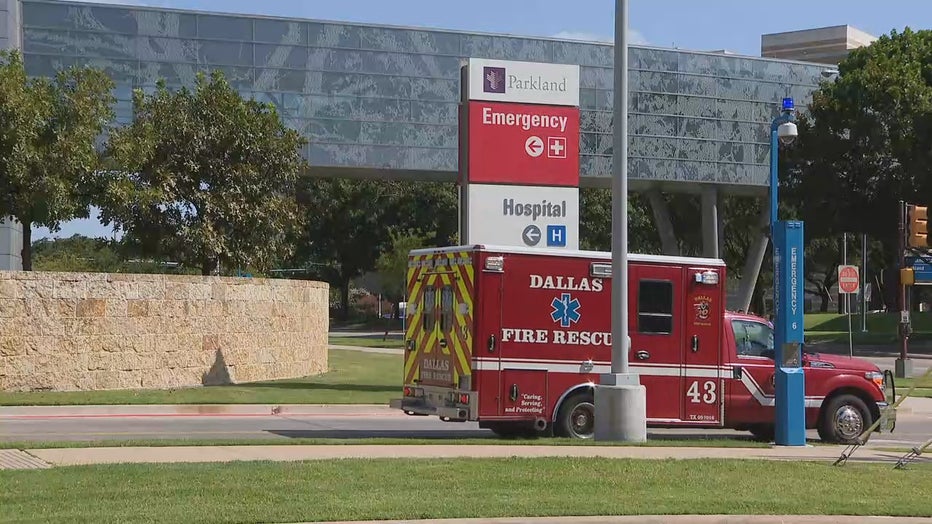
Parkand Hospital outlines COVID-19 vaccine distribution plan for its employees
Parkland will get one of the largest batches of COVID vaccine from the state. Officials are expecting to receive it by next Thursday.
DALLAS – Area hospitals are working on plans for the COVID-19 vaccine distribution next week.
The state released its distribution list Friday, anticipating the vaccines will be approved by the time they arrive.
Parkland will get one of the largest batches of COVID vaccine from the state. Officials are expecting to receive it by next Thursday.
The first COVID-19 vaccine rollout in Texas is just days away.
Twenty North Texas hospitals will receive more than 50,000 doses of the Pfizer vaccine, which could get emergency FDA approval this week.
“Right now, we have a tentative date of the 16th, might be the 17th, depending on when the vaccine is approved by the FDA,” explained Francesco Mainetti with Parkland.
Parkland Hospital in Dallas will get one of the largest deliveries with more than 5,800 doses.
Mainetti is leading the distribution team for the hospital. Parkland has more than 15,000 employees, so he says they have broken staff down to five priority groups of 3,000 people a group.
“First we are going to focus on the employees in the main hospital that have direct patient contact, nurses, physicians with high exposure to COVID and to patients,” he said. “Once that wave is completed, we will move into our outpatient settings: Family care clinic, special care clinic.”
Support staff like cafeteria workers and custodians who work in the same environment as doctors and nurses will be in the third group. Staffers who don’t have regular contact with clinicians are in the fourth and fifth groups.
Because the Pfizer vaccine has to be stored in freezers at 70 degrees zero, the vaccines will be given in the hospital. Once the vaccine is given, employees will automatically be notified for an appointment for the required second dose of the vaccine three weeks later.
“We are not going to make it mandatory. At least for now, it’s voluntary,” Mainetti said. “So depending on how many employees decide to take the vaccine, we can do more or less.”
Dallas County hospitals will get more than 27,000 doses.
Tarrant County will get about 18,000, and Collin County will get nearly 4,000 doses.
Denton County is the largest in our area to not receive doses.
Parkland officials say they have not surveyed employees about interest in the vaccine but will be ready when the delivery is made.
“As soon as the vaccine gets here, we are ready to distribute it to our employees,” Mainetti said.


Comments are closed.