In today’s Technical Society, everything is very visual and all can be reduced down to a few second TikTok! Our society has become so rebellious and irreverent, that nothing is inviolable, sacrosanct, certainly not holy or sacred.
People have been falling away from the church by droves. I don’t consider that a bad thing because all religions are corrupt. What I do find heartbreaking, however, is that people are turning their back on the God of the Bible. In fact, many HATE Him!! Because the Church has been corrupt for so long, we the body of Christ have failed. We failed to stand up for TRUTH and to hold our leaders accountable. They Church was supposed to be the sanctuary, the hope and the provision for the lost, the hungry, the homeless and the hurting. Our leaders sold us out, and now the world only sees the GOVERNMENT as their provision.
We also failed to demonstrate the power of GOD to the lost, because we were not living the life in the spirit. We failed to pray, to witness, to be the balm in Gilead.
Now the world is turning to the dark side for answers. Wicca, Witchcraft, Magic, Science, Ancestor Worship, Eastern Religions, African Religions, Indigenous Religions, Spiritism, Demonology, Vampirism, Celtic/Nordic Gods, Voodoo, Hoodoo, and every other Pagan Religion or Cultic/Occultic beliefs. The ancient gods and goddesses are returning. The Fallen and their Progeny are BACK! They are demanding worship and obedience as they did in the ancient times.
This did not happen naturally. There have been great forces behind this change. People, especially young people are being groomed and lead to pagan beliefs and practices. Indigenous people who never left their beliefs and practices see this as THEIR TIME. They have been biding their time in the background. Praying and sacrificing and petitioning their gods. The demons know the bible. They have known the basic plan of God from the beginning. They know that the time is short, and they have pulled out all the stops. They are hunting souls.
Today we are going to look at a current trend which to most people would likely seem harmless, benign, nothing to worry about. But, it is far from that. In fact it is quite symptomatic of what is happening in the world spiritually as well as contributing to the depth and pace of the advancement of the Paganism EXPLOSION.
The practice of carrying a small idolcan be seen in various cultures and religions around the world.
This practice highlights the complex relationship between physical objects and spiritual worship, reflecting both historical and contemporary beliefs. 4 Sources
spacer
Here are some options for mini idols, including Pocket Buddhasand other mini figures:
These verses collectively underscore the importance of maintaining a pure and distinct worship of God, separate from the practices of pagans. 2 Sources
spacer
In many African societies, god statues are central to rituals of worship and supplication.Devotees may offer prayers and sacrifices to the statues, seeking the deities’ favor and protection. What was missing from most of the hot takes over the past several months was a deconstruction of the ways we worship and practice our spiritualities. We were so caught up in the aesthetics of being and defending our definitions of Truly African, that the reasons people seek out new and old spiritualities remained untouched. Questions like: What’s happening in the spirits of people around the Black diasporas that’s compelling this groundswell of interest in traditional (west) African religions? Why do we only know of one or, at most, two of these religions? What does it mean to be a true practitioner of those faiths?
The reality is that many of us are searching for truths and stories that affirm them. We’re looking for ways to heal our spirits that western versions of Christianity, Islam, and other religions have not been able to. In the same way many Black demographics are leaving the church because it doesn’t quite fit our needs, many people are looking for a way to make sense of a world that kills Black humans for merely existing. The need for meaning is what drives our storytelling, and the rich and varied traditional African religions are, for many, filling the void left by a lack of spiritual traditions in the west that center our ways of knowing and being. Because of what Wole Soyinka, in the forward to Death and the King’s Horseman, calls the Colonial Incident, we, both on the continent and in the diaspora, are catastrophically, materially, physically, and spiritually removed from our faiths the modes of worship created to elevate and disseminate them.
When we approach these worlds and the gods of these worlds as mere art or props, we risk appearing as appropriators and appreciators instead of true worshippers of these ancient ways. Beyoncé’s spirituality is beautiful even when it is full of rage, yet too glossy to align with the requirements of traditional African religions from many parts of the Africas and its Diasporas. We are left to consume the worlds and gods of the worlds which Beyoncé constructs for us, whereas, these religions require us to bring sacrifices and participate as worshippers.
Gods and Idols by Design
These deities are designed to be feared and to be appeased.They’re not costumes or plot devices.They’re real and terrifying, demanding of their worshippers things that we, in America, could never imagine except through fiction. Now, the elements of bloodshed and sacrifice are not unique to African religions. Ancient Judaic practices are filled with altar sacrifices (The human sacrifices of animals as a temporary propitiation for sin was commanded by God to make humanity understand that what was lost by sin must be paid in blood/the coming blood of God himself in the form of his only begotten son. The sin leads to death and price had to be paid. God found a way to pay it for us.) and even Christianity exalts the human sacrifice of Jesus the Christ as an incontestable tenant of its belief system (Christ willingly laid down his life once for all, that was the plan of GOD). All religions have an element of sacrifice, ritual, worship, and devotion that go beyond the aesthetic.Without the language to talk about this outside of an imperial, capitalist framework, we miss the metaphysical and intangible things, and our spiritualities are incomplete.
When we’re not intentional about how we arrive at our spirituality, when we’re not paying attention to how power shapes that arrival, and when we don’t count the costs of our worship, we end up impressing our desires on our celebrities, our institutions, and our nations. They become reflections of those desires, displacing true the images of these deities. As innocuous as the word is in American culture, an “idol” is merely a reflection of a god, and not the god itself, obscuring the gods from their worshippers and vice versa. SOURCE
African god statues are not mere decorative objects; they play a vital role in rituals and ceremonies, serving as tangible representations of the deities and facilitating communication between the mortal and spiritual realms.These statues are more than just art;they are living presences, imbued with the power and energy of the gods they represent.
In many African societies, god statues are central to rituals of worship and supplication.Devotees may offer prayers and sacrifices to the statues, seeking the deities’ favor and protection.These acts of devotion can range from simple offerings of food and drink to complex ceremonies involving music, dance, and the use of sacred objects;The statues themselves often act as focal points for these rituals, serving as a physical manifestation of the deities’ presence and power.
God statues are also crucial in divination and healing ceremonies.In some traditions, priests and diviners may use statues to consult with the deities, seeking guidance and insight into the future or the causes of illness or misfortune.The statues may be used to perform rituals aimed at healing the sick or warding off evil spirits.The presence of the god statue, believed to hold the deity’s power and wisdom, is essential to the efficacy of these rituals.
The Importance of African God Statues in Ritual and Ceremony
In many African societies, god statues also play a role in rites of passage, marking important transitions in a person’s life. These can include ceremonies celebrating birth, marriage, and death. The statues serve as reminders of the spiritual realm and the deities’ role in guiding individuals through these life stages. They may also be used to invoke the deities’ blessings for a successful transition or to ensure a safe passage to the afterlife.
The use of African god statues in ritual and ceremony highlights their deep cultural significance. They are not simply artistic expressions but vital tools for connecting with the divine and maintaining the balance between the human and spiritual realms.Source
Pachamama, or Mother Earth, is a central figure in Andean mythology, highlighting the earth’s fertility and abundance. Pachamama is a well-loved goddess among the native people of the Andes. She plays an important part in growing crops and harvesting, and people believe she controls natural events like earthquakes.
The story of Pachamama shows she can be both kind and harmful, reminding the Andean people of their close connection to the land and farming. To keep nature in balance and bring good fortune, people give offerings like coca leaves, food, and drinks to Pachamama.
Honoring Pachamama is more than just a symbol.It shows the Andean belief that humans and nature are one.Shamans lead special ceremoniesduring planting and harvest seasons to thank Pachamama for her blessings.
These rituals called “despachos,”include carefully prepared offerings that are buried or burned to give back to the earth. Even today, these Pachamama ceremonies are a key part of Andean life, teaching respect for nature and the importance of living peacefully with it.
Wiracocha, the creator, and Pachamama, the earth goddessare important gods to the people of South America. Wiracocha was the ultimate source of all creation.Often depicted as a powerful and majestic being, sometimes with a staff and a long white beard,embodying the wisdom and authority of a supreme being.
Wiracocha was not just a creator of the physical world, but also of its inhabitants. He was believed to have brought forth the first humans, shaping them from clay or stone, and bestowing upon them the knowledge and skills necessary to survive. He was the architect of the cosmos, the one who established the order and balance of the universe.The Incas believed that Wiracocha, through his divine will, created the mountains, rivers, and valleys, bringing forth a world teeming with life.Source
Why do you look at the speck in your brother’s eye, but fail to notice the beam in your own eye? How can you say to your brother, ‘Let me take the speck out of your eye,’ while there is still a beam in your own eye? You hypocrite(s)! First take the beam out of your own … Click Here to Read More
Chiffon Margarine – “It’s Not Nice To Fool Mother Nature” … YouTube · The Museum of Classic Chicago Television (www.FuzzyMemories.TV) Yes throughout our lives we are bombarded with images and references to “Mother Nature” or “Mother Earth”. It is so deeply ingrained in us that I hear even people who consider themselves “Christian” refer to “Mother … Click Here to Read More
spacer At Sinai, God roots worship in covenant love. Israel is rescued first, then called to faithful worship. The command protects the relationship that saved them.
“You shall not make for yourself a carved image… You shall not bow down to them or serve them.”– Exodus 20:4-5 (ESV)
God names both visible and invisible worship practices, guarding people from reshaping Him into something manageable.
“They exchanged the glory of the immortal God for images resembling mortal man and birds and animals and creeping things.”– Romans 1:23 (ESV)
Paul diagnoses idolatry as a tragic exchange. Glory is traded for lesser glories, and the heart’s compass spins.
“Little children, keep yourselves from idols.”– 1 John 5:21 (ESV)
Joshua frames worship as a decisive, renewing choice. Households and communities flourish when centered on the Lord.
When I was a missionary in Taiwan, I was all too familiar with the smell of burning incense offered to Buddhist and Daoist idols. But after retiring from the mission field and returning to the United States, I was surprised to detect that familiar smell in the most unexpected place: a UPS Store. It appeared an employee had set up an altar space in the back room and was praying to Buddha.
The worship of physical idols is widely practiced around the world today. Yet many evangelicals think of idol worship as something that happens only in the unseen places of the heart—the things in life we prioritize over God, such as wealth, prestige, or pleasure (Col. 3:5).
Though acknowledging the hidden idols of our heart is hermeneutically sound and important for our sanctification, we shouldn’t neglect the application of biblical texts about idolatry to physical objects of worship.
Idol Worship in the World and the Word
Western Christians tend to think less about literal idolatry because we don’t often see physical idol worship practiced openly around us. This leads us to believe it’s an outdated practice that lacks relevance in modern Christianity.
But a study of world religions by the Pew Research Center showed that about 28 percent of the world’s population adheres to religions that predominantly practice idol worship. This is only a little less than the 31.5 percent of the world that identifies as Christian.
In places like Taiwan, hundreds of gods are worshiped. Hindus worship an estimated 330 million gods. Many people from traditions like these continue their practices after moving to Western countries such as the United States. Perhaps you’ve been in the presence of idol worship without even realizing it. For example, many Chinese or Vietnamese restaurants are adorned with small, red altars to Buddha.
We shouldn’t neglect the literal application of biblical texts about idolatry.
Physical idol worship isn’t only prevalent around the world; it’s also repeatedly addressed in Scripture. By some accounts, the Bible condemns it around 200 times. It most notably speaks against idol worship in the second commandment (Ex. 20:4).
When Jacob headed toward Bethel to dedicate himself to the Lord, he told those in his household, “Get rid of the foreign gods you have with you, and purify yourselves” (Gen. 35:2, NIV). In Deuteronomy 4,Moses warned the Israelites, “Watch yourselves very carefully, so that you do not become corrupt and make for yourselves an idol” (vv. 15–16, NIV) and “Do not be enticed into bowing down to [God’s creation]”(Talking about Nature Worship/Enironmentalism/Pantheism, worshiping Mother Earth or the Sun, Moon and Stars)(v. 19, NIV). In 13:6–9, Moses even told the Israelites that family members or friends who tried to entice them to worship other gods should be put to death.
Teaching against idol worship pervades the Old Testament and continues in the New, where Paul says, “Gods made by human hands are no gods at all” (Acts 19:26, NIV). Christians cannot ignore what the Bible says about physical idolatry.
How Can We Fight Physical Idolatry?
As we seek to honor God’s second commandment in our everyday lives, we’re right to examine our hearts and repent of idols we find there. But we also need to consider how we can work against physical idol worship.
Support Missionaries
The Old Testament reminds us of the extreme difficulty in pulling people away from idol-worshiping traditions. More often than not, the Israelites incorporated neighboring idols into their religious practice rather than propagating monotheism.
Missionaries and evangelistic ministries working in polytheistic cultures need us to support them financially and pray for them fervently. And we should consistently pray against the idol worship that prevents many people around the world from acknowledging Christ.
Seek Out Polytheists
But missionaries aren’t the only Christians with a role to play. We can proactively seek out opportunities to connect with people of polytheistic faiths in our neighborhoods, workplaces, and schools. This may sound daunting. It’ll probably require you to reach beyond your normal social circles to meet people different than you, and it might expose idolatry in your own heart. But with the Lord’s help, we can pursue our polytheistic neighbors.
When befriending a polytheist, seek to earnestly understand the person’s underlying beliefs. People who worship other gods have a wide array of ways they relate to their gods. These are helpful starter questions:
Why did you start worshiping this god (or these gods)?
What do you think your relationship to them is like?
What happens when you don’t have time for or forget to worship?
One goal of these questions is to figure out if your friend worships out of cultural custom or a deeply felt religious belief.Consider asking your friend to show you the idols and describe how they worship or pray to them.
We should consistently pray against the idol worship that prevents many people around the world from acknowledging Christ.
Once you have a trusting relationship with the person, consider asking more challenging questions.You might ask him or her to read and discuss Isaiah 44 with you.This passage offers a plethora of potential entry points for conversation by depicting a carpenter who takes wood “used as fuel used for burning” and then “fashions a god and worships it” (v. 15, NIV). Isaiah continues, “No one stops to think, no one has the knowledge or understanding to say, ‘Half of it I used for fuel; I even baked bread over its coals. . . . Shall I make a detestable thing from what is left? Shall I bow down to a block of wood?’” (v. 19, NIV).
As you discuss this passage, you might ask questions like these:
How did you acquire your idol? Did you buy it?
Who made it? Do you think that the god entered it before or after it was made?
What distinguishes this idol from other similar objects?
What would happen if you couldn’t keep it anymore, or if it broke?
In most cases, polytheists have an impersonal relationship with their gods. Sharing stories with them about how God is working in your life and how your relationship with him is loving, personal, and intimate can help them begin to see the difference between their gods and the Living God. When the opportunity arises, talk about God’s eternal nature, omnipotence, and omnipresence.Share about how you can pray to God anywhere, at any time. Explain that he knows and cares for us personally.
Share patiently,knowing that walking away from idol worship and turning toward Christ is a lengthy, often difficult process. But also know this: In obeying God’s commands about idol worship, we glorify God by showing his love to all people created in the image of our one, true God.
spacer
The KING OF CHANGE at least in the USA, Barak Obama has had a much bigger role in the crisis we are having than most people really want to acknowledge. I have many articles on things he has done to destroy our nation. Always bear in mind that he boldly declared that the USA is not longer a Christian Nation as he was bringing in Islamists by the plane load. He also declared that Muslims built this country. He was considered by Muslims to be their President in the White House and he removed all Christian symbols from the Whitehouse replacing them with Muslim ones and prayer rugs. He went all over the nation and the world “organizing” they youths to rebel violently. He promoted eastern religion in the USA with his Yoga Challenge. Are you aware how many navtive born US Citizens have Buddha in their home in the form of statues and/or paintings and symbolism, as well as Butsudans because they are dedicated to Yoga?
c. 1300, “physical strength,” from Old French force “force, strength; courage, fortitude; violence, power, compulsion“ (12c.), from
Vulgar Latin *fortia(source also of Old Spanish forzo, Spanish fuerza, Italian forza), noun use of neuter plural of Latin fortis “strong, mighty; firm, steadfast; brave, bold”(see fort).Meanings “power to convince the mind” and “power exerted against will or consent”
c. 1200, chaungen, “to alter, make different, change”(transitive); early 13c. as “to substitute one for another;” mid-13c. as “to
make (something) other than what it was, cause to turn or pass from one state to another;”from late 13c. as “to become different, be altered” (intransitive), from Old French changier“to change, alter; exchange, switch,” from Late Latin cambiare“to barter, exchange,” extended form of Latin cambire“to exchange, barter.”This is held to be of Celtic origin,
from PIE root *kemb- “to bend, crook” (with a sense evolution perhaps from“to turn” to “to change,” to “to barter”); cognate with Old Irish camm “crooked, curved;” Middle Irish cimb “tribute,” cimbid “prisoner;” see cant (n.2). From c. 1300
as “undergo alteration, become different.” In part an abbreviation of exchange.Related: Changed; changing.To change (one’s) mind is from 1590s
spacer
The Fallen Angels exchanged their state for another. They also changed/altered all life on earth
Genesis 6:1-4
1And it came to pass, when men began to multiply on the face of the earth, and daughters were born unto them,
2 That the sons of God saw the daughters of men that they were fair; and they took them wives of all which they chose.
3 And the Lord said, My spirit shall not always strive with man, for that he also is flesh: yet his days shall be an hundred and twenty years.
4 There were giants in the earth in those days; and also after that, when the sons of God came in unto the daughters of men, and they bare children to them, the same became mighty men which were of old, men of renown.
Clustered Regularly Interspaced Short Palindromic Repeats Read more here: Source__ Cryo-electron microscope image of CRISPR in a full ‘R-loop’ conformation. DNA (orange and red) is unwound and compared to CRISPR RNA (blue), to determine if the target DNA should be cut by the Cas3 enzyme. Credit: Liao lab/Harvard Medical School You may not have heard … Click Here to Read More
Jude 1:6-8
6 And the angels which kept not their first estate, but left their own habitation, he hath reserved in everlasting chains under
darkness unto the judgment of the great day.
7 Even as Sodom and Gomorrha, and the cities about them in like manner, giving themselves over to fornication, and going after strange flesh,are set forth for an example, suffering the vengeance of eternal fire.
8 Likewise also these filthy dreamers defile the flesh, despise dominion, and speak evil of dignities.
No one man can have as much effect on the World as Obama has accomplished. He has not been working on his own, in his own strength, or by his own power of influence. He has great forces behind him. Not just individual humans, but huge organizations and national leaders, as well as powerful Corporations, The WEF and The United Nations. MORE IMPORTANTLY, there are tremendous spiritual forces driving all of it and all of them. spacer spacer Spiritual Forces That Influence Life on Earth
Credit: Sgt. Gary Stein
The spiritual forces that influence life on Earth encompass a range of entities and concepts that shape our world and our interactions with it. These forces can be seen in various forms, including the spiritual forces of the Bible, the four sacred elements of nature, and theunseen forces that interact with the physical world.Here are some of the key spiritual forces that influence life on Earth:
US former president Barack Obama carries a statuette of Lord Hanuman in his pocket and seeks inspiration from it whenever he feels tired or discouraged.
The EX-President disclosed this in one of the interviews and said, “I carry these around all the time.I’m not that superstitious, so it’s not like I think I necessarily have to have them on me at all times,” Mr. Obama said.
“If I feel tired, or I feel discouraged sometimes, I can kind of reach into my pocket and say yeah, that’s something I can overcome, because somebody gave me the privilege to work on these issues that are going to effect them,” he said.
Obama’s father was a Kenyan while his mother was a white woman from Kansas. He spent initial days of his life in Indonesia where Hinduism is a popular religion.
A series of small totems which he carries in his pockets include rosary beads given to him from Pope Francis, whom he met at the White House fall; a tiny Buddha statue; a silver poker chip; a figurine of the Hindu monkey God Hanuman;and a Coptic cross from Ethiopia.
US former president Barack Obamacarries a statuette of Lord Hanuman in his pocket and seeks inspiration from it whenever he feels tired or discouraged.
The President disclosed this in one of the interviews and said, “I carry these around all the time. I’m not that superstitious, so it’s not like I think I necessarily have to have them on me at all times,” Mr. Obama said.
“If I feel tired, or I feel discouraged sometimes, I can kind of reach into my pocket and say yeah, that’s something I can overcome, because somebody gave me the privilege to work on these issues that are going to effect them,” he said.
Do You see a Rosary in that handful of TOTEMS?
Obama’s father was a Kenyan while his mother was a white woman from Kansas. He spent initial days of his life in Indonesia where Hinduism is a popular religion.
A series of small totems which he carries in his pockets include rosary beads given to him from Pope Francis, whom he met at the White House fall; a tiny Buddha statue; a silver poker chip; a figurine of the Hindu monkey God Hanuman;and a Coptic cross from Ethiopia.
Time magazine’s photo blog has a very interesting picture where Barack Obama is displaying the things he carries in his pocket to bring him luck. One of them is a tiny metal statue of the Hindu god Hanuman.
RIGHT: Is the slightly annotated version of the original picture.
What caught my eye that tiny icon (or Murti) did not look like one of god Hanuman as it has 4 hands, one holding a chakra, the other a trishul or a gada, the other two hands have a lotus and a conch, presumably. These 4 things are associated with Lord Vishnu (Lord Krishna is an incarnation of Lord Vishnu). However, the tiny statue has a tail (it also looks like that while showing this to the reporters, the face of the statue was touching the palm). Sending this image to a professor at Delhi University for further analysis.
This entry was posted on Monday, June 9th, 2008 at 11:44 pm and is filed under hanuman, Hinduism, obama. You can follow any responses to this entry through the RSS 2.0 feed. You can leave a response, or trackback from your own site.
The thing is:in India we don’t have a “A tiny monkey god” with four tiny arms. Four armed Hanuman would be an oddity in India.Multiple armed Gods and Goddesses are certainly common in India – Vishu, Brahma, Durga and so on – but, many armed Hanuman is not common, is almost unheard, in India. Four armed Hanuman belongs to Thailandand is found their version of Ramayan (known as Ramakien).Four armed Hanuman pendants are also common in Thailand and quite popular with the tourists. Source
Keep your eyes on THAILAND! I don’t know what is happening or why… but Thailand seems to be a place that may have some real significance in the global picture. In this post, we are going to take a look at Thailand and maybe get an idea of why there seems to be a focus … Click Here to Read More
spacer
spacer
2 FOOT TALL STATUE OF HANUMAN presented to Obama by India
“We have heard that he carries a small monkey charm in his pocket. So he is a devotee of Hanuman.That’s why we want to present him with this idol,” he said.
Mr Bhama and his friends have also invited Carolyn Sauvage-Mar, chairwoman of the group, Democrats Abroad-India, to a meeting they are holding on Tuesday to pray for Mr Obama’s success.
They say that a Barack Obama victory would be good for India.
Hindus revere monkeys which they believe are descendents of the monkey God Hanuman.
The two-foot tall, 15kg gold-polished, brass idol has been made as a present for Mr Obama because “he will be good for India if he becomes the next president,” according to Brij Mohan Bhama, leader of the group.
The Delhi-based group registers voters, sponsors events and occasionally hosts Democratic Party leaders visiting India.
“Obama stands for change. We are hoping that he will bring about change so that oil and food prices come down,” he said.
“India will progress if he comes to power.” Source
rosary beadsgiven to him from Pope Francis, whom he met at the White House fall; a tiny Buddhastatue; a silver poker chip; a figurine of the Hindu monkey God Hanuman; and a Coptic cross from Ethiopia.
One of the items he often carries in his pocket is the beautiful rosary presented to him by Pope Francis during his journey
to the United States last September. Pope Francis paid a visit to President Obama in Washington D.C. before traveling to New
York and then to Philadelphia for the World Meeting of Families. As he unraveled and displayed Pope Francis’ special gift
rosary during the interview, President Obama noted, “I so admire him and it makes me think about peace and
promoting understanding and ethical behavior.” Source
WOW, the things that come out of the mouth of Francis are so bizarre and appalling I cannot believe that people have not demanded he be removed. These globalist maniacs are so brazen. They reveal their true nature and their designs on your life with every word that comes out of their mouths. They come … Click Here to Read More
The Coptic crosscomes in a number of different forms, and is the symbol of Coptic Christianity, one of the oldest Christian denominations in Egypt. The term Copt is derived from the Greek word Aigyptos that means Egyptian.The denomination became separated from mainstream Christianity due to some theological differences, but it contributed a lot to the faith in general.
Also referred to as crux ansata, the ankh was the ancient Egyptian symbol of life.It’s most recognized for its T-shaped symbol with a loop at the top. The Egyptian gods, particularly Sekhmet, were often depicted holding the symbol by its loop or handle and feeding the pharaohs with it. The symbol is ubiquitous in ancient Egypt and was used as an amulet, worn as jewelry and even depicted on tombs, in hopes of granting the deceased with eternal life in the netherworld.
Left: the original form of the Coptic Cross File:RPM Ägypten 282.jpg
During the middle of the first century, Christianity was brought to Egypt by Mark the Evangelist, the writer of the Gospel of Mark, and the religion eventually spread throughout the region. It led to the establishment of the first schools of Christian learning in Alexandria, the capital of Egypt at the time. In fact, many Christian texts have been discovered written in Coptic language.
However, the Egyptian version of Christianity developed from a blend of cultures, merging the concept of the cross with the pharaonic worship and history of ancient Egypt. By the 451 C.E. it became independent from the main religion and was known as the Coptic Orthodox Church, with its followers called Copts or Coptic Christians.
As the essence of Egyptian life, the ankh was later adopted as the emblem of the cross by the Copts. In fact, the symbol in its original form is commonly seen on the roof of Coptic churches in Egypt. Sometimes, the Coptic cross features an ankh with a cross symbol inside the loop, but there are also more elaborate cross variations used.
The Coptic cross is no doubt an evolution of the ancient Egyptian ankh,which is also called crux ansata, meaning cross with a handle. Right: Egytian Ankh Source
A statuette of Lord Hanuman is among few items that US President Barack Obama always carries in his pocketand seeks inspiration from whenever he feels tired or discouraged.
President Obama disclosed this on a YouTube interview which the White House scheduled as a way to reach younger audiencesas it promotes Obama’s final State of the Union address on Tuesday.
Asked to show off an item of personal significance during the interview with YouTube creator Nilsen yesterday, 54-year-old Obama pulled from his pockets a series of small totems,each of which he said reminded him “of all the different people I’ve met along the way.”
It included rosary beads given to him from Pope Francis, who he met at the White House this fall; a tiny Buddha statue procured upon him by a monk; a silver poker chip that was once the lucky charm of a bald, mustachioed biker in Iowa; a figurine of the Hindu monkey God Hanuman; and a Coptic cross from Ethiopia, where he visited in July, CNN reported.
US President Barack Obama lit a traditional Indian lamp at the White House to celebrate the Hindu festival Diwali.
RIGHT: Barack Obama lights a traditional oil lamp to celebrate DiwaliCredit: Photo: GETTY
Mr Obama became the first US president to personally take part in a White House ceremony for the (Hindu) festival of lights, lighting a diya (oil lamp) inside the executive mansion and bowing respectfully before a Hindu priest…
The reasons behind the creation and carrying of images of gods by ancient civilizations are multifaceted and often linked to their spiritual beliefs and practices. Here are some key points:
“Religion Behind the Scenes” spotlights the less discussed, but no less crucial, tasks that keep religious communities running, and the people who make it all happen.
While the Abrahamic traditions have long forbidden the worship of idols (or even the use of them), in many Indian traditions—like Hinduism and Jainism—idols have been employed in acts of puja (or worship) for millennia. For some Hindus, these statues are merely symbols of the divine; while, for others, the idols are god. Although, formally speaking, a murti (or idol) is not actually divine but, rather, a symbolic representation of a deity; nonetheless, those who know much of Hinduism and the flexibility of its theology and practice will know that many practitioners perceive idols as more than statues crafted by a mortal artisan. They perceive them as the presence of the divine.
A descendant of artists, Amrita Singh is a student at the Indian Academy of Fine Arts, in Amritsar—one of the oldest and most prestigious art institutes in India. Much of Amrita’s work consists of religious art—specifically sculptures of things, such as Hindu gods, which serve as idols for worshipers. In this installment of Religion Behind the Scenes, Amrita tells us a bit about the process of making an idol, why they are used, and the spiritual side of being a sculptor of idols.
My own individual work? About 12 years. I started when I was in eighth standard [or middle school]. I was about 12 years old when I started making my first idols. And before that, I used to help my dad doing his sculpture work. And then I decided to do my own.And since then, I’ve been doing my own statues, and have been fortunate enough to receive a State award and an All-India award for the idols I’ve carved.
Because my dad is an artist, and my grandfather was an artist, I have been doing this since I was a child. Growing up, I always watched my father, as he was working, and it amused me. I was attracted to it. So, this is basically something I’ve been doing since my childhood.
My father says that everyone has an artist within. We’re each artists from birth. There are some people whose art is recognized, and they become artists by trade—they get known as artists. But my father always says that everyone is an artist.
Did you start out your sculpting career carving Hindu deities?
Well, my first piece was Ik Onkar—which is a phrase in Sikhism which refers to God. It means “There is only one God.” And then I made a series of twenty sculptures and murals centered around Ik Onkar. And after that, I started sculpting Ganesha, one of the most popular Hindu deities. (He is the one you petition to remove obstacles in your life. He looks like an elephant.)
Oh, it’s something that attracts me. In addition to Hindu gods, I’ve also made Buddha and, as I said, I’ve made Ik Onkar. So, I’ve done religious art for many traditions. It’s basically not religion to me; it’s more like spirituality.There’s a difference between religion and spirituality. So, making various statues, idols, or religious art is something that I’m attracted to, even if it is a god that is foreign to my personal religion.
Are there any pieces you’ve made that you know the purchaser used as part of their worship? Perhaps used as their god?
Yes, definitely! I love to make statures of Ganesha, and I’ve made some that I know were specifically purchased for the purpose of being used in puja, or worship. So, for example, a Hindu family purchased idols I made to use in their puja. They would make offerings to them as part of their worship. And also, a woman from the USA bought one of my Hindu idols. I don’t know if she was Hindu. I know she used the statue in an exhibition, but I don’t know if she personally worshiped it—or if she was just attracted to the art.
Interesting. Do you know why people use statues in worship?
Maybe they need something in which they can see God. It might help them to exercise faith, as they look at the idol and feel God’s closeness. It gives them a way to visualize the deity.
So, here’s an interesting question for you. Are the statues you make actually God? If you make a statue of a Hindu deity, is that actually God?
I personally think that, in whatever we think God is present, God is actually present there. It is about faith. If you think there is God in some piece of art, in some idol, then God is there. If you don’t think a statue is God, if you don’t worship the idol, then God is clearly not there. So, it may be just a block of wood for one person, and it may be a god for someone else, based on the faith they have.
So, we’re here in your studio in India right now, and I see a statue over there of a Hindu god. As a practitioner of Sikhism, is that God to you?
No, for me, it’s just a piece of art. In my tradition, we don’t use statues to connect with God. I don’t personally need statues to have faith. We don’t use them as part of our worship—as Sikhs—whereas Hindus would. I understand that these things help other people, and so I use what talents I have to create things that will help people in their worship, even though I don’t need those myself.
When we are creating something, an idol or a statue, during the creation process it’s just art, and not a deity. However, once it’s created, then it becomes a deity. But, before creating it, it’s just art.
When the statue begins to be used as an idol, and the people begin to worship it, it is at that point that it is no longer just a piece of art but is now a deity. It is the act of faith on behalf of those doing puja to the statue that makes it divine. These symbols are very powerful. They help people to connect with God.
I’ve made a lot of Ganesha idols and many, many pieces around the name Ik Onkar. My father would say,
It’s very, very connected—especially in Indian religions, like Hinduism. So, people here in India basically worship art. In the temples, there’s art (in the form of idols or statues), and they worship it. And in that art they see their deity, they connect to their deity through that art, and they have faith in it. And that’s good, and its important, because we should have faith in something. Source
RESTORED: 1/16/26 No kidding folks, this is a long post, connecting many dots. Most people will be very shocked and disbelieve. But, it is all here in black and white. The evidence is real and you can hide from the truth, but it will not help you. In this battle for your mind, you cannot … Click Here to Read More
SPAC
Tags: Tower of Babel, Sasquatch, Elephant Intelligence, Pagan Worship, Links to the Past, Land of Shinar, UN Agenda, Animal Rights Have I got a TALE for you!! You will most likely find this post to fantastic to believe. There is shocking evidence of the truth of these reports. You will have to shake off the … Click Here to Read More
Lord Hanuman | 90 Ft. Tall Bronze Statue of Lord Hanuman Unveiled In Sugar Land, TX (8/18/24)? Why Did Nebuchadnezzar Make 90 Foot Tall Gold Statue He Made People Worship? Hanuman Statue In Obama’s Pocket? PROTECT YOUR WEALTH AGAINST INFLATION & CENTRAL BANK DIGITAL CURRENCY CONFISCATION TODAY AT: www.BH-PM.com ************************************************************************** **Request Tickets to the Selma, North Carolina October 8th & 9th 2024 ReAwaken Tour Today At: www.TimeToFreeAmerica.com **Request Tickets Via Text Today At 918-851-0102 ***************************************************************************** Join General Flynn, Kash Patel, Eric Trump, Lara Trump, Lindell, Jim Breuer, Mel K, Amanda Grace, Dr. Mikovits, Julie Green, Dr. Peter McCullough, Jim Breuer, Dr. Immanuel, & Team America Request Tickets At: https://timetofreeamerica.com/ or by texting 918-851-0102 ***************************************************************************** **Scholarship Pricing Is Available to Make the ReAwaken America Tour Affordable for Everyone That Wants to Attend **Watch the ReAwaken America Tour Documentary for FREE Today HERE: https://timetofreeamerica.com/watch-the-reawakening-documentary/ **Learn How to Protect Your Wealth Against Inflation & Central Bank Digital Currencies Today At: www.BH-PM.com Want to Read Patents Related to The Great Reset Agenda? – READ – www.TimeToFreeAmerica.com/Revelation What Is BRICS? – READ – https://timetofreeamerica.com/brics/#scroll-content What Are CBDCs – https://timetofreeamerica.com/eo-14067/#scroll-content Who Is Elon Musk? – READ – https://timetofreeamerica.com/musk/#scroll-content Who Is Yuval Noah Harari? – READ – https://timetofreeamerica.com/behind-the-great-reset/#scroll-content
The reason that all pagan religions worship multiple gods is because before Christ came to redeem the world all people on earth were subject to the Fallen Angels and their progeny. The world even to this day is still under their authority. The only way to be free from them is to be under the blood of Christ. They have the World divided up between them. They have a hierarchy of Authority. Some are assigned to individuals, some to places, some to bodies of water, some to nations, some to gateways, some to bridges, etc. Before Christ, everyone had to obey them, supplicate to them, appease them. They had freedom to torment whoever they pleased. They demand sacrifices of every kind, including human sacrifice. They are merciless. They have faults, lusts, insatiable desires and they use humans for their pleasure. That is a fact. The world has lived so long under God’s grace that they have forgotten what it was like. Now that they are back, we are seeing these things manifest.
spacer
there is none good, no not one!
Psalm 14:3
1The fool hath said in his heart, There is no God. They are corrupt, they have done abominable works, there is none that doeth good.
2 The Lord looked down from heaven upon the children of men, to see if there were any that did understand, and seek God.
3 They are all gone aside, they are all together become filthy: there is none that doeth good, no, not one.
Psalm 53:1-3
1The fool hath said in his heart, There is no God.Corrupt are they,and have done abominable iniquity: there is none that doeth good.
2 God looked down from heaven upon the children of men, to see if there were any that did understand, that did seek God.
3 Every one of them is gone back: they are altogether become filthy; there is none that doeth good, no, not one.
Romans 3:9-12
9 for we have before proved both Jews and Gentiles,that they are all under sin;
10As it is written, There is none righteous, no, not one:
11 There is none that understandeth, there is none that seeketh after God.
12 They are all gone out of the way, they are together become unprofitable; there is none that doeth good, no, not one.
23 For all have sinned, and come fallen short of the glory of God;
Yes, that includes Mary, the vessel chosen to birth the Christ.
spacer
Art is a craft taught to man by the Fallen. It is a Craft as in magic and it is a technology credited to the Telchines who created the first idols/images of the gods.
It really is important to view this series in order. The information revealed builds on itself, so that you cannot fully appreciate the posts individually. Please view the entire Series from beginning to end. The links are listed in order at the end of each post. Thank you and God bless you. In this part … Click Here to Read More
As crazy as it sounds, it appears that the ruling elite are preparing to put the world underwater. It seems like the demonic spirits want to create their own BIBLICAL FLOOD to cleanse the world of all the people and things they deem worthless and to bring forth a New World. Kind of a Water … Click Here to Read More
spacer
We are going to look at religious images including paintings, photographs and statues. spacer
In the eighth century AD, Emperor Leo III ordered the abolition of icons (revered images or sculptures) of Jesus, Mary, angels, and saints. This sparked the great Iconoclastic Controversy, so called because those who supported the eradication of icons, often on the grounds that they violated the second commandment’s prohibition of “graven images,” were known as iconoclasts or “image breakers.” The controversy sparked in the eighth century persists to this very day. Do images of Jesus really violate the second commandment?
First, if the second commandment condemns images of Jesus, then it condemns making images of anything at all.And if that were the case, God would have been guilty of contradicting Himself because He commanded the Israelites to adorn the ark of the covenant with the images of cherubim (Exodus 25:18–20).
Furthermore, in context, the commandment is not an injunction against making “graven images,” but an injunction against worshipping them. As such, God warns, “You shall not make for yourself an idol in the form of anything in heaven above or on the earth beneath or in the waters below.You shall not bow down to them or worship them; for I, the Lord your God, am a jealous God” (Exodus 20:4–5). spacer
Thou shalt not make unto thee any graven image, or any likeness of any thing that is in heaven above, or that is in the earth beneath, or that is in the water under the earth. Thou shalt not bow down thyself to them, nor serve them: for I the Lord thy God am a jealous God, visiting the iniquity of the fathers upon the children unto the third and fourth generation of them that hate me; And shewing mercy unto thousands of them that love me, and keep my commandments.
spacer
Finally, if viewing an image necessarily leads to idolatry, then the incarnation of Christ was the greatest temptation of all. Yet Jesus thought it appropriate for people to look on Him and worship Him as God(Matthew 28:9; Luke 24:52). That worship, however, was to be directed to His Person, not His appearance. Indeed, idolatry lies not in the making of images but in the worship of man-made images in place of the “image of the invisible God” (Colossians 1:15). (CHRIST IS GOD. Not an image or likeness. He is GOD! Even as He walked the earth in a fleshly body, HE WAS GOD – IMMANUEL GOD WITH US! They trouble with creating images is that they most often eventually lead to idolatry/worship of the image.)
As we have borne the image of the man of dust, we shall also bear the image of the heavenly Man. Neither of these two truths were or are in our control. GOD HIMSELF is changing us into the image and likeness of his son as we walk by the spirit. With the fall, all of humanity was changed into the image of the first Adam.
One of the more intriguing elements of this story is how TikTok, a platform often criticized for being secular and even hostile to religious values, has become a vehicle for spreading Christianity.
As Gervasini notes, not only are users enthusiastically participating in the trend, but they are actively encouraging others to do the same.The fact that TikTok itself is selling bulk packs of the figurines suggests that there is significant demand for this kind of discreet evangelization.
There are eight parts to the MSN post on the right. I suggest you check them all out and read the individual notations. I chose this particular one because of what was written
below it. There is onevery important thing to keep in mind when you are
analyzing media reports, blogs, website articles and videos.When you see that whatever they reference is popular or trending, or if large numbers of a
political group or joint political groups usually at odds, or large governing
bodies or brain trusts, or elitist groups all supporting or participating you
should be very leery, suspicious of the motivation behind it.
James 4:4 – Friends of the world are at enmity with God
Here is the thing, folks. Society changes because it is made up of people and spiritual entities. Sadly, many demonic and evil entities hold great sway over the hearts and minds of people. So what is true today in society, may be completely different on another day. REGARDLESS, GOD NEVER CHANGES. He holds TRUE and his WORD holds TRUE. No matter what goes on in the world. Even more important is that HIS opinion, laws, Word is the ONLY thing that matters. He MADE EVERYTHING, HE MAKES THE RULES!! Everything on this earth will pass away, but the Word of God will NEVER PASS AWAY.
Malachi 3 6 For I am the Lord, I change not; therefore ye sons of Jacob are not consumed.7 Even from the days of your fathers ye are gone away from mine ordinances, and have not kept them. Return unto me, and I will return unto you, saith the Lord of hosts.
Isaiah 40 5 And the glory of the Lord shall be revealed, and all flesh shall see it together: for the mouth of the Lord hath spoken it.6 The voice said, Cry. And he said, What shall I cry? All flesh is grass, and all the goodliness thereof is as the flower of the field:7 The grass withereth, the flower fadeth: because the spirit of the Lord bloweth upon it: surely the people is grass.8 The grass withereth, the flower fadeth: but the word of our God shall stand for ever.
Psalm 119:89 “Your word, O LORD, is everlasting; it is firmly fixed in the heavens.”
1 Peter 1:25: 25 But the word of the Lord endureth for ever.And this is the word which by the gospel is preached unto you.
Matthew 24:35 35 Heaven and earth shall pass away,but my words shall not pass away.
spacer Whether you believe the Word of God or you do not, does not matter, it is TRUTH. THE TRUTH! The one and ONLY TRUTH. I understand that is a hard pill to swallow for those who do not know him. The rebellious nature of humans does not want to accept TRUTH. They want to make their own TRUTH. They will tell you that the truth is relative. That what is true for you is not true for another. That is a lie straight out of the pit of HELL. There is ABSOLUTE TRUTH, and it rests with GOD ALMIGHTY. spacer
Isaiah 45:5-8
5 I am the Lord, and there is none else,there is no God beside me:I girded thee, though thou hast not known me:
6 That they may know from the rising of the sun, and from the west, that there is none beside me. I am the Lord, and there is none else.
7I form the light, and create darkness:I make peace, and create evil: I the Lord do all these things.
8 Drop down, ye heavens, from above, and let the skies pour down righteousness: let the earth open, and let them bring forth salvation, and let righteousness spring up together; I the Lord have created it.
Exodus 20
And God spake all these words, saying,this is God’s first commandment to His people which includes not only Israel, but all who come under His covering.
2I am the Lord thy God, which have brought thee out of the land of Egypt, out of the house of bondage. Egypt is representative of the slavery to sin and submission to demonic forces that all face until they are saved by God’s Grace and the Blood of Jesus/Yahushua
3 Thou shalt have no other gods before me.
4 Thou shalt not make unto thee any graven image, or any likeness of any thing that is in heaven above, or that is in the earth beneath, or that is in the water under the earth.
5 Thou shalt not bow down thyself to them, nor serve them:for I the Lord thy God am a jealous God, visiting the iniquity of the fathers upon the children unto the third and fourth generation of them that hate me;
6 And shewing mercy unto thousands of them that love me, and keep my commandments.
spacer
Just because these figures are mostly mass produced and mostly made of plastic or other similar material, and not CARVED BY HAND in Wood or Forged in Metal with Fire…does not make them any less IDOLS, or GRAVEN IMAGES. Even if the are formed by machines, they are still graven. The are a cursed thing. You should avoid them at all cost. Though you might tell yourself that you do not worship them… if you have not already crossed that line…you will eventually. Or, your children and/or children’s children will. These graven images take on a spirit the minute they are created. That spirit draws people to commit idolatry, to turn to that idol for comfort, emotional support, for revelation, for power, for riches, for healing, etc. ALL THINGS that are in GOD’s REALM. All things that only GOD can truly provide. Though you might receive some temporary result or manifestation, it comes with a great price.
spacer
So, let’s get a better idea of what this Mini Jesus trend is about and how it looks.
Mini Jesus / Little Jesus / Pocket Jesus — The activity of hiding mini Jesus figures in churches, schools, and stores seems to be a recent trend aimed at providing a physical reminder of Jesus’ presence in everyday life. It’s a way to encourage people to remember the spiritual aspect of their lives as they go about their daily routines. #minijesus #littleJesus #alittlejesusgoesalongway
Mini Jesus / Little Jesus / Pocket Jesus / Tiny Jesus
My wife and I have handed out or hid thousands of these Little Jesus figurines now East Tennessee, Kentucky, North Carolina and South Carolina.We have even mailed some out in various states too! Plus, plan to continue to hand out or hide these.
In this blog post we have listed over 100 places or ideas to give or place these little figurines of Jesus.(in this post I have included only a sampling, if you want to view the full original article CLICK HERE). If you have a spot, feel free to share in the comments. Plus, I have shared photos of my placements of these mini Jesus figurines.
Made of a resin or plastic material. I even found them made of wood too. I’m sure you can 3D print these too. All kinds of colors, skin tones and styles of these tiny Jes t00.
Little Christ
The Greek word for “Christian” is Χριστιανός (Christianós), which comes from Χριστός (Christos), meaning “anointed.”The suffix -ιανός (-ianos) means “belonging to” or “follower of.” So, Χριστιανόςtranslates to “follower of Christ” or “belonging to Christ.”
Over 50 different types, kinds, sizes, shapes, attire and colors of the Little Jesus Figurines.
I have handed out over 60 different types, kinds, sizes, shapes, attire and colors of outfits and/or hair of the Little Jesus figurines.
Multi-colors of the Little Jesus Figures
Here are some Little Jesus Figures holding a Bible.spacerA patriotic looking Little Jesus
There are plenty of colors of the sashes and designs to choose from and hand out. You can use them and do color themes. I think I have had maybe over 70 different designs so far.
C.S. Lewis did popularize the idea that Christians should strive to be “little Christs” in his book Mere Christianity. He wrote that the purpose of the Church is to draw people into Christ and make them “little Christs.” However, the word “Christian” itself does not directly translate to “little Christ.”
spacer
We are not to strive to be Little Christs! There is only ONE ANNOINTED ONE. ONE MESSIAH! One Sacrifice for ALL. GOD himself in the flesh. We are called to transformed into the image of Christ as we walk by His Spirit by the POWER OF GOD. He is the one who changes us from the INSIDE OUT. We are not Christ, and we are not Gods. We are children of GOD. Called to be HIS WITNESSES. We are called to live the way infront of our neighbors, and to speak the TRUTH in a world that hates the TRUtH, and we are called to share what we know of GOD with all we come in contact with as a testimony. We are to share the GOOD NEWS, the CHRIST has REDEEMED US!
Every Christian a little Christ (?)
The part of Lewis that I don’t understand (and perhaps my understanding of Christian doctrine is insufficient) is his claim that
Every Christian is to become a little Christ. The whole purpose of becoming a Christian is simply nothing else. (p 177)
No, the Christian ideal is to follow Christ’s example,in so far as humans can, and to follow his teachings about how to live good human lives. The Imitation of Christ is a Christian devotional book from the fifteenth century. Other than the Bible, it is the most widely read devotional work among Christians. It is almost always understood as instruction in following Christ, not imitating him.
Writing about evolution, Lewis says
century by century God has guided nature up to the point of producing creatures which can (if they will) be taken right out of nature, turned into “gods.” (p 222) This is an outright lie! Man is not evolving into something better. Man was made perfect in the beginning. The fall turned him into a slave to sin and death. Mankind is evil in all their ways, until they are redeemed by GOD and restored to Righteous by the Blood of Christ!
The most puzzling part of this sentence doesn’t have to do with Lewis’ view of evolution, which is compatible with the scientific view. The puzzle is the quotation marks around “gods.” What could this mean? With the introduction of Christ into history, salvation becomes possible, but that doesn’t make us gods, not even potential ones. Lewis has taken the imitation of Christ too literally. Paul’s reference to Christians as saints (ἅγιος) in six of his letters makes sense, for it referred to members of a church he was addressing, and the Greek is readily translated as holy ones.But gods?
What about the Eucharist, it might be asked? Is that not the oral incorporation of Christ, and so becoming part of him, and him of us? To some it is; to many others, including Jesus, it is an act of remembrance.Both 1 Corinthians 23-25, and Luke 22:19, refer to Christ’s introduction of the ritual as something to be done “in memory of me.” The Greek term is anamnesis, or remembrance, sometimes translated in this context as “affectionate memory.” If Christ did not understand transubstantiation literally, why should we?
Lewis admits that becoming a little Christ is a bit of “fakery,”along the lines of the expression fake it until you make it (pp 187-188). I don’t believe we should try to fake being Christ-like. We should work to be good human beings who love God, and one another. Jesus is too other, too radically different from humans, to be someone to imitate. (or try to duplicate)Are we to separate the wheat from the tares, the sheep from the goats? Are we to explain ourselves in parables? The disciples healed others in the name of Christ, but none except a stray evangelist would claim to do so today.
We need not be distant from Christ, but we do not become closer by pretending to be Christ. To be a good human being, a follower of Christ, is hard enough. Understanding ourselves as followers also serves to remind us of our creatureliness, not tempting us with the promise of more. First Corinthians 2:16 refers to having the “mind of Christ” (νοῦς), but the context is one of opening the mind so as to understand Christ’s teachings. It is not an invitation to become a little Christ.
I know many people have been taught to view CS Lewis as a great “Christian” writer. I totally do not agree. I find most of his stuff to be off, some of it to be even promoting the demonic. spacer I am troubled by the fact that these figurines are like writing a check to a government controlled philanthropic organization and calling it done, rather than actually interacting with humans face to face and sharing the love of God with them. Popping these little idols into spots around town is entertaining and non-confrontative. However, it is not what GOD had in mind.
spacer
This term first appeared in the New Testament in Acts 11:26 (NASB 1995): “And when he had found him, he brought him to Antioch. And for an entire year they met with the church and taught considerable numbers; and the disciples were first called Christians in Antioch.”
Let this be a reminder to you to be a Little Christ to others. Remember Acts 1:8 shows is the Holy Spirit empowers us to be bold and witness.
A Little Jesus Goes a Long Way: The Journey of Mini Jesus Figurines
In the quiet corners of our homes, amidst the hustle of our daily routines, there lies an opportunity for reflection and inspiration. It’s found in the most unexpected of places, through the presence of mini Jesus figurines – small yet profound reminders of faith and hope.
Hashtag uses on social media
#LittleJesus
#ALittleJesusGoesAlongWay
#MiniJesus
#PocketJesus
#EveryoneNeedsALittleJesus
Size of the Little Jesus figurines
These little figurines of Jesus are roughly 1.2 inches wide by 1.4 inches tall (3 cm wide by 3.5 cm tall). The perfect size for hiding, giving out or placing inside of things.
The Unseen Corners: Where We Least Expect
Often, we reserve our religious symbols for places of worship or traditional spots within our homes. But what if we took a different approach? Placing these mini Jesus figurines in the least likely places can serve as a gentle nudge, a momentary pause in our day to reconnect with our faith. It’s in the drawer of your office desk, the glove compartment of your car, or tucked away in your suitcase during travels. (See full list below) These figures bid us to remember that spirituality isn’t confined to certain locations or times; it’s a constant, a companion on our journey. Plus hiding them public for others to find and see! Do they? DO THEY REALLY?
““not forsaking our own assembling together, as is the habit of some, but encouraging one another; and all the more as you see the day drawing near.” Hebrews 10:25 #minijesus #hebrews1025 Exactly- assembling yourselves together. Humans interacting with other humans.
You Shouldn’t Hide Jesus
The message is clear: you shouldn’t hide Jesus. His teachings and love are meant to be shared and experienced openly. By placing these figurines in plain sight, we’re encouraged to live out our faith in every action and interaction. It’s a call to be a living testament to the values Jesus embodied – love, kindness, and compassion. JESUS IS ABOUT A LOT MORE THAN LOVE, KINDNESS AND COMPASSION! TRUTH NEEDS TO BE SPOKEN in a world that just wants the warm and fuzzies. A world that embraces ALL, ignoring the TRUTH that JESUS IS THE ONLY WAY. That without a relationship with CHRIST everyone is going to HELL!
Jesus is always there
Hiding Mini Jesus Figurines/Little Jesus Figurines – The activity of hidingmini Jesus Figures in churches, schools, and stores seems to be a recent trend aimed at providing a physical reminder of Jesus presence in every day.
Jesus is always there. He is omnipresence. He will never leave us, not forsake us. He is always watching too!
Other names
The mini or little Jesus figurines you’re referring to are often known as “Pocket Jesus” or “Traveler’s Jesus”. They are small, portable figurines that people carry with them or hide as part of a game or religious practice. Most people are using “Little Jesus”.
These figurines can also be used in religious education, as party favors, or as Easteregg stuffers during the holiday season. They are designed to be a reminder of faith and are popular among various Christian communities.
A Reminder: A Little Jesus Goes a Long Way
This small figurine of Jesus can have a big impact. It’s a visual and physical representation of our beliefs, a tangible connection to the divine. It reminds us that even the smallest act of kindness, the simplest word of encouragement, carries the spirit of Jesus’s teachings. It’s a testament to the idea that a little Jesus – goes a long way in bringing light into our lives and the lives of those around us. (See above how small most of these figurines of Jesus are).
Jesus knows us by name. #LittleJesus
Hiding the Little Jesus figurines the beginning
Lighthouse Church in Hampton, SC had a youth group placed two hundred Little Jesus toys around their church as a sweet moment for the community¹. These figurines were placed in various locations like by the coffee, on the thermostat, and by the soap dispenser. The idea was that everyone in the church would leave with “a little Jesus” to accompany them through the week¹.
Similarly, other churches followed suit and had children and adults hide tiny Jesus figures all over their church as a reminder that they are present, fill the hallways and classrooms, and represent the future of the church². This act serves as a symbolic gesture to remind the congregation of the younger generation’s role and presence within the church community.
Food City Gas and Go Air Pump – Jesus gives us air to breathe
Little Caesars Pizza
I placed Jesus there. Watched a few customer look at the Little Jesus. I even saw two employees just glance and kept walking by. I’d would have liked to stay longer to see how long the Little Jesus would have stayed, but I was on lunch break and had to go back to work. I was in the place maybe 20 minutes.
Jesus can set our off balanced scales and accepts us as we are. Then He will change us. #MiniJesus
These activities are not just limited to churches but can extend to other places like schools stores, and public creating a strong Jesus atmosphere and serving as a reminder of the Christian faith everyday³. Such as these shown in this blog post along with a list of places of where to hide or place the little Jesus figures. I even show some photos of some of the ones my wife and I placed.
These activities are not just limited to churches but can extend to other places like schools stores, and public creating a strong Jesus atmosphere and serving as a reminder of the Christian faith everyday³. Such as these shown in this blog post along with a list of places of where to hide or place the little Jesus figures. I even show some photos of some of the ones my wife and I placed.
You will never know where Jesus will find you. He is seeking after you. He leaves the 99!Some people have to met Jesus in a parking lot out side a McDonalds.
#McDonaldsJesus was found in aparking lot at a light pole in Greeneville, TN. #GreenevilleTN #Greeneville #MiniJesus #LittleJesus
Speaking of parking lot you will love this song by Cochren & Co. called Parking Lot.
It was a still small voice on a Tuesday night. Like You were right there with me on the passenger side. You turned that car into a mountain top
Oh, I met Jesus in a parking lot.
Parking Lot by Cochren & Co.
It’s important to note that these Little Jesus figurines are symbolic and serve as a reminder of faith; they are not meant to be worshipped themselves. This movement seems to be a creative way to engage communities, especially children, in faith-based activities and to bring a sense of joy and reflection on the presence of Christ in all various aspects of life.
Places to hide the Little Jesus figurines
Bath rooms
Book shelves
Windows
Doorways
Products in the store
Coffee area
Vending machines
Coin return slots
Gas pumps
In plain sight
On cars in the parking lot
Easter Eggs
Part favors
Classrooms
Kitchens
Offices
Desks
Drawers
Cabinets
Suitcase
Backpack
BP readers
Luggage
Glove box of car
Trunk of car
Hatchback
Dashboard of car
Stocking stuffer
Mailing package
Security cameras
Restaurants
Grocery Stores
Retail Stores
Hardware Stores
Napkin display
Freezers
Fridges
Pantries
Dresser Drawers
TV Stands
Waiting Rooms
Doctors Offices
Hospitals
Blood pressure monitor stations
BP readers, Jesus is our true physician
Remote Controls
Lockers
Locker Rooms
Gym
Lobbies
Cubbies
Hotels
Cabins
Waiting Rooms
Bathrooms
Bars
Parks
Playgrounds
Geocaches
Shopping cart
Store shelf
Jesus can be found in a shopping cart.
shoppingcart #minijesusJesus is at the baseball field and the softball field. #baseball #softball #minijesus
Photo Credit: Heather Patterson
Baseball field
Football field
Soccer field
Softball field
Lacrosse field
Basketball court
Volleyball court
Jesus at a restaurant.
Funeral Homes
Gift Card Stands
By Kleenex
By a Bible
Hotels / Motels Etc.
Camps
Piano
Prom / Dance / Wedding venues
Mailed packages / mailing
Hand out in person
Benches
Chairs
He will wipe away every tear. #miniJesus
In the beginning was the Word, and the Word was with God, and the Word was God.
John 1:1 NASB1995The greatest gift ever … Jesus!
Wash your hands and say your prayers because Jesus and germs are everywhere. Is a saying we hear, but Truly Jesus is the only one everywhere as there is no germs in Heaven! #miniJesusIf you leave Mini Jesus with a server, please make sure you also leave a generous tip.I put a tiny QR code on the bottom of the Mini Jesus figures (Little Jesus Figures). It takes you to my blog post on this:
#MiniJesus #LittleJesus
DIY Little Jesus Keychains — it is very simple and doesn’t take much to turn the Little Jesus figurines into a keychain, #littlejesus (Includes a video of Steve making this keychain).
Little Jesus Bags – in addition to handing out these little Jesus figurines you can add a little item, info card in a nice bag and hand them out.
The Heavenly Father Creator of ALL Things, God Almighty, the EVERLASTING GOD, is the only TRUE and LIVING GOD! There is none like HIM. Only He is TRUTH, LOVE, LIGHT, and WISDOM.
The most important reason NOT TO PARTICIPATE IN THIS TREND OF PLACING MINI JESUS STATUES for people to find, is that it is a Most DISRESPECTUL, DISHONORING, BLASPHEMOUS act.
THERE IS NO PERSON/ENTITY/BEING ANYWHERE than can compare to HIM in anyway, shape or form. His ways are so much higher than ours. We really have no way of comprehending is greatness! We cannot even get our heads around the fact that He is INFINITE! He had no beginning and has no end! Try to imagine how extremely powerful, creative, intelligent and clever He had to be to create all that we know and do not know about the WORLD we live in! He is AWESOME! I know that term gets thrown around these days so casually and profusely that it is impact is lost. But, that does not diminish His awesomeness one iota! We should all be in Awe of him and wondrously amazed at the magnitude and majesty of his character and attributes!
Though those who post them and those who find them may see them as amusing, clever, funny and momentarily uplifting or encouraging, the true impact of these idols is to minimize and and diminish the way we view our Creator. They do not diminish Him at all, because nothing that we do could ever accomplish that. However, they do diminish our perception. More importantly, they alienate us from GOD. Why? Because when we create or purchase an idol that is meant to represent GOD/Jesus we are rebelling against GOD. We are claiming to be witnessing to the lost but we are doing it in a way that GOD abhors. Idols are tools used by pagans! As Christians we know that GOD is SPIRIT. It is not by accident that there are no real/true images of our GOD or Jesus anywhere, NO ONE knows what they look like physically. God is SPIRIT and those who worship Him, Worship Him in SPIRIT and in TRUTH!! We experience GOD on a level that is more real than anything we can see, feel, taste or touch. We do not adore Him for His attractive countenance. WE love HIM for WHO HE IS. We experience love from Him and for Him on a deeper level than any love known in the earth. His Spirit communicates directly with our Spirit. The truest part of US!!
spacer
The following are attributes of GOD. I hope that you will read them mindfully and prayerfully. You will not find any pagan god or ANY ENTITY, who can claim all these same attributes. Nor will you find any negative attributes on this list. Our GOD has no negative, evil, characteristics. He has no faults, failings, shortcomings, no evil desires or lusts. He is perfect!
early 15c. classical correction of Middle English parfit“flawless, ideal” (c. 1300), also “complete, full, finished, lacking in no way” spacer
perfection(n.)
early 13c., perfeccioun, “consummate state or form, that degree of excellence which leaves nothing to be desired,”from Old French perfection “perfection, completeness”(12c.), from Latin perfectionem (nominative perfectio) “a finishing, completing, perfection,”noun of action from past-participle stem of perficere“to accomplish, finish, complete” (see perfect (adj.)).
an early 16c. alteration of the older word, rightwise, which is from Old English rihtwis, of actions, “characterized by justice, morally right,”of persons, “just, upright; sinless, conforming to divine law,”from riht (see right (adj.1)) + wis “wise, way, manner” (see wise (adj.)). spacer
mid-13c., of gold, “unalloyed;” c. 1300 “unmixed, unadulterated; homogeneous,”also “total, complete, absolute; bare, mere,”also “sexually pure, virgin, chaste”(late 12c. as a surname, and Old English had purlamb “lamb without a blemish”),from Old French pur“pure, simple, absolute, unalloyed,” figuratively “simple, sheer, mere”(12c.), from Latin purus“clean, clear; unmixed; unadorned; chaste, undefiled.”spacer
c. 1200, purite, “freedom from moral contamination, sinlessness, innocence; righteousness; chastity,” from Old French purete“simple truth,” earlier purte (12c., Modern French pureté), from Late Latin puritatem (nominative puritas) “cleanness, pureness,”from Latin purus“clean, pure, unmixed; chaste, undefiled” (see pure (adj.)). From mid-15c. as “freedom from admixture or adulteration.”spacer
late 14c., “morally upright, righteous in the eyes of God”(“Now chiefly as a Biblical archaism” – OED, 1989); also “equitable, fair, impartial in one’s dealings;” also “fitting, proper, conforming to standards or rules;” also “justifiable, reasonable;”from Old French juste“just, righteous; sincere”(12c.) and directly from Latin iustus“upright, righteous, equitable; in accordance with law, lawful; true, proper; perfect, complete” (source also of Spanish and Portuguese justo, Italian giusto). This is from ius “a right,” especially “legal right, law” (see jurist; from Latin ius also come English jury (n.), injury, etc.).It is attested from c. 1400 as “right-minded, good in intention;”from early 15c. as “legal, lawful, right in law.”Also “exact, precise; marked or characterized by precision; having correct dimensions”(late 14c.); of narrations, calculations, etc., “accurate, correct”(early 15c.).SPACER
Middle English treu, from Old English triewe (West Saxon), treowe (Mercian) “faithful, trustworthy, honest, steady in adhering to promises, friends, etc.”This is reconstructed to be from Proto-Germanic *treuwaz“having or characterized by good faith”(source also of Old Frisian triuwi, Dutch getrouw, Old High German gatriuwu, German treu, Old Norse tryggr, Danish tryg, Gothic triggws“faithful, trusty”), according to Watkins this is in turn from a suffixed form of the PIE root *deru-“be firm, solid, steadfast.” Compare trig, trow, trust (n.).The sense of “consistent with fact, conformable to the actual state of things, not false or erroneous”is recorded from c. 1200. The meaning “real, genuine, rightly answering to the description, not counterfeit”is from late 14c.As “conformable to law or justice” (as in true heir) from c. 1400. The meaning “exact, just, conformable to a certain standard or original”(as true north, true to the original) is by 1540s; in biology, “conforming to a type, norm, or standard of structure,” from 1570s. spacer
early 14c., feithful, “sincerely religious, devout, pious,”especially in reference to Christian practice; mid-14c., “loyal (to a lord, friend, spouse, etc.); true; honest, trustworthy,” from faith + -ful. loyalty to a person; honesty, truthfulness,” TRUSTworthy. spacer
early 14c., “almighty, possessing infinite power,” from Old French omnipotent“almighty, all-powerful” (11c.) and directly from Latin omnipotentem (nominative omnipotens) “all-powerful, almighty,”from omnis “all” (see omni-) + potens (genitive potentis) “powerful” (see potent). Originally of God or a deity; general sense of “having absolute power or authority”is attested from 1590s. Related: Omnipotently.spacer
“possessing knowledge of all things, having universal knowledge,” c. 1600, from Modern Latin omniscientem (nominative omnisciens) “all-knowing,” a back-formation from Medieval Latin omniscientia “all-knowledge,” from Latin omnis “all” (see omni-) + scientia “knowledge” (see science). Related: Omniscientlyspacer
“everywhere present, in all places at the same time,” c. 1600, from Medieval Latin omnipraesentem (nominative omnipraesens) “present everywhere,” from Latin omnis “all, every” (see omni-) + praesens “present” (see present (adj.)). Related: Omnipresently.spacer
1520s, “highest,” sometimes literal but especially “highest in authority; holding the highest place in power,” from Old French suprême (15c.) and directly from Latin supremus “highest,” superlative of superus “situated above,” from super “above” (from PIE root *uper “over”).spacer
“feeling of sorrow or deep tenderness for one who is suffering or experiencing misfortune,”mid-14c., compassioun, literally “a suffering with another,” from Old French compassion“sympathy, pity”(12c.), from Late Latin compassionem (nominative compassio) “sympathy,”noun of state from past-participle stem of compati“to feel pity,”from com “with, together” (see com-) + pati“to suffer”(see passion). Agapē love is a selfless, unconditional love that transcends and persists regardless of circumstance, often associated with divine love in Christian theology.
spacer
HE IS LOVE, unlike any natural or earthly experience of love. TRUE LOVE can only come from GOD!
GOD IS LOVE!
AGAPE – THE LOVE OF GOD – Definition and Characteristics
In summary, agapē love represents a profound and selfless commitment to the well-being of others, rooted in divine love and exemplified through sacrificial actions. It encourages individuals to cultivate a love that transcends personal feelings and seeks the highest good for all.
Middle English holi, from Old English halig “divine, sacred, to be revered or worshipped; consecrated, sacred; godly, perfect in religious character and practice of devotion; ecclesiastical,” from Proto-Germanic *hailaga-. This is reconstructed (Watkins) to be from PIE *kailo- “whole, uninjured.” “that must be preserved whole or intact, that cannot be transgressed or violated,”
1 Peter 13-19
13 Wherefore gird up the loins of your mind, be sober, and hope to the end for the grace that is to be brought unto you at the revelation of Jesus Christ; 14 As obedient children, not fashioning yourselves according to the former lusts in your ignorance: 15 But as he which hath called you is holy, so be ye holy in all manner of conversation;
16 Because it is written, Be ye holy; for I am holy.
17 And if ye call on the Father, who without respect of persons judgeth according to every man’s work, pass the time of your sojourning here in fear: 18 Forasmuch as ye know that ye were not redeemed with corruptible things, as silver and gold, from your vain conversation received by tradition from your fathers; 19 But with the precious blood of Christ, as of a lamb without blemish and without spot:
BECAUSE OF HIS HOLINESS, NO MAN CAN SEE GOD AND LIVE
Exodus 33:17-23
17 And the Lord said unto Moses, I will do this thing also that thou hast spoken: for thou hast found grace in my sight, and I know thee by name.
18 And he said, I beseech thee, shew me thy glory.
19 And he said, I will make all my goodness pass before thee, and I will proclaim the name of the Lord before thee; and will be gracious to whom I will be gracious, and will shew mercy on whom I will shew mercy.
20 And he said, Thou canst not see my face: for there shall no man see me, and live.
21 And the Lord said, Behold, there is a place by me, and thou shalt stand upon a rock:
22 And it shall come to pass, while my glory passeth by, that I will put thee in a clift of the rock, and will cover thee with my hand while I pass by:
23 And I will take away mine hand, and thou shalt see my back parts: but my face shall not be seen.
GOD HIMSELF DECLARED HIS NAME AND NATURE TO US IN THE BIBLE
EXODUS 36:4
4 And he hewed two tables of stone like unto the first; and Moses rose up early in the morning, and went up unto mount Sinai, as the Lord had commanded him, and took in his hand the two tables of stone.
5 And the Lord descended in the cloud, and stood with him there, and proclaimed the name of the Lord.
6 And the Lord passed by before him, and proclaimed, The Lord, The Lord God, merciful and gracious, longsuffering, and abundant in goodness and truth, 7 Keeping mercy for thousands, forgiving iniquity and transgression and sin, and that will by no means clear the guilty; visiting the iniquity of the fathers upon the children, and upon the children’s children, unto the third and to the fourth generation.
Psalm 103:8-12
2 Bless the Lord, O my soul, and forget not all his benefits:
3 Who forgiveth all thine iniquities; who healeth all thy diseases;
4 Who redeemeth thy life from destruction; who crowneth thee with lovingkindness and tender mercies;
5 Who satisfieth thy mouth with good things; so that thy youth is renewed like the eagle’s.
6 The Lord executeth righteousness and judgment for all that are oppressed.
7 He made known his ways unto Moses, his acts unto the children of Israel.
8 The Lord is merciful and gracious, slow to anger, and plenteous in mercy.
9 He will not always chide: neither will he keep his anger for ever.
10 He hath not dealt with us after our sins; nor rewarded us according to our iniquities.
11 For as the heaven is high above the earth, so great is his mercy toward them that fear him.
12 As far as the east is from the west, so far hath he removed our transgressions from us.
13 Like as a father pitieth his children, so the Lord pitieth them that fear him.
14 For he knoweth our frame; he remembereth that we are dust.
15 As for man, his days are as grass: as a flower of the field, so he flourisheth.
16 For the wind passeth over it, and it is gone; and the place thereof shall know it no more.
17But the mercy of the Lord is from everlasting to everlasting upon them that fear him, and his righteousness unto children’s children;
18 To such as keep his covenant, and to those that remember his commandments to do them.
spacer
This next article should help you to understand how vital it is that we do things GOD’s WAY.
I’ve never met the Queen of England (and probably never will), but I understand that before you meet the Queen, you need to learn some rules of proper etiquette of what to do or not do and say in her presence.The basic rule is not to be chummy and overly familiar. Respect and proper formality are essential.Even Prince Charles bows to his mother and calls her “ma’am.” (sandradodd. com/ideas/etiquette1) In America, we don’t have royalty, so we’re probably a bit too chummy on how we might greet our leaders.
But the far more important question is, how do you enter God’s holy presence? Is He your Good Buddy in the sky? Can you just barge into His presence and ask whatever favors you need?Or, is there a right and wrong way to enter the presence of the King of kings? The truth is, one day we all will stand in God’s glorious presence, either for commendation (“Well done”) or for condemnation (“Depart from Me”). The difference will be determined by whether in this life you have come into His holy presence through the way that He has provided.
The Old Testament tabernacle was designed to teach Israel how to enter the presence of the Holy One. It’s been pointed out that the Bible has only two chapters to how God created the universe, but it devotes 50 chapters to the tabernacle (Stephen Olford, The Tabernacle: Camping with God [Loizeaux Brothers], p. 22). In fact, more space is devoted to the tabernacle than to any other single subject in Scripture(A. W. Pink, Gleanings in Exodus [Moody Press], p. 180)! But I’m guessing that if you’re honest, you’d have to admit that when you read the Bible, you either skip or skim the chapters that describe this structure that Israel built and carried through their wilderness journeys. If you’re really honest, you might even admit that you sort of dread coming to these chapters!
The late M. R. DeHaan said (cited by Olford, p. 15), “There is no portion of Scripture richer in meaning, or more perfect in its teaching of the plan of redemption, than this divinely designed building.” A. B. Simpson wrote (Christ in the Tabernacle [Christian Publications], pp. 5-6),
The Tabernacle is the grandest of all the Old Testament types of Christ…. In its wonderful furniture, priesthood, and worship, we see, with a vividness that we find nowhere else, the glory and grace of Jesus, and the privileges of His redeemed people.
Since books have been written on the tabernacle, I can only skim the surface in this message. But in studying the life of Moses, I thought that I should give an overview of this central feature of Israel’s worship that God directed Moses to construct. Applied to us, the message is:
To enter God’s holy presence you must come through the only way that He has provided.
If you try to approach God in any other way, the consequences could be severe. Nadab and Abihu, Aaron’s two sons who were priests, got creative and offered “strange fire,” which God had not commanded. Immediately (Lev. 10:2), “Fire came out from the presence of the Lord and consumed them, and they died before the Lord.” You may think, “But that was the Old Testament!” But, if you try to come into God’s holy presence by your own way rather than God’s way, one day you will be eternally shut out of God’s presence (Matt. 25:10-12). So it’s important to get this right!
1. God’s way into His presence was through the tabernacle, which pictures Jesus Christ.
In Exodus 25:8-9, God commanded Moses, “Let them construct a sanctuary for Me, that I may dwell among them. According to all that I am going to show you, as the pattern of the tabernacle and the pattern of all its furniture, just so you shall construct it.” Thus, by God’s command, the tabernacle was to be His dwelling place among Israel. When you get to the New Testament, you read (John 1:14), “And the Word became flesh, and dwelt among us, and we saw His glory, glory as of the only begotten from the Father, full of grace and truth.” The word “dwelt” is literally, “tabernacled.” Just as God’s glory was revealed in the Old Testament tabernacle, so He revealed His glory in our tabernacle, the Lord Jesus Christ. Peter, James, and John saw that glory revealed on the mountain when Jesus was transfigured before them, with Moses and Elijah present (Matt. 17:1-13).
The glory of God’s love, holiness, justice, and grace was also displayed supremely at the cross. Jesus, the perfect and final high priest, through offering Himself as the Lamb of God, opened the way into God’s presence for all who come through Him! When He died, the veil in the temple separating the holy place from the holy of holies was torn from top to bottom (Matt. 27:51) The Old Testament tabernacle pictured Jesus and His sacrificial death as the only way we can enter God’s holy presence. In fact, this is where God is taking all of history. In Revelation 21:1-3, John wrote,
Then I saw a new heaven and a new earth; for the first heaven and the first earth passed away, and there is no longer any sea. And I saw the holy city, new Jerusalem, coming down out of heaven from God, made ready as a bride adorned for her husband. And I heard a loud voice from the throne, saying, “Behold, the tabernacle of God is among men, and He will dwell among them, and they shall be His people, and God Himself will be among them.”
Because the tabernacle is such an amazingly accurate type of the Lord Jesus Christ, written about 1,400 years before He was born, it serves as strong evidence for the divine inspiration of Scripture and proof that Jesus is God’s Messiah. It could not be coincidental that Jesus fulfilled so many aspects of the tabernacle, some of which I’ll mention as we walk through it!
A. God ordained every detail of the tabernacle.
In Exodus 39 & 40, which describe the construction of the priestly garments and the tabernacle, the phrase, “just as the Lord had commanded Moses,” occurs 17 times (Exod. 39:1, 5, 7, 21, 26, 29, 31, 42, 43; Exod. 40:16, 19, 21, 23, 25, 27, 29, 32; cf. 25:8-9)! Seven times in the Bible we are told that Moses made the tabernacle after the pattern that was shown to him on the mountain (Exod. 25:9, 40; 26:30; 27:8; Num. 8:4; Acts 7:44; Heb. 8:5). Again, this shows the detailed inspiration of Scripture! The tabernacle wasn’t Moses’ brilliant idea. It came directly from God to Moses to Israel and us as a portrait of the Savior who would provide the way for all people to enter His holy presence.
B. A guided tour: the tabernacle is set up.
The tabernacle, called “the tent of meeting,” was first set up one year to the day from when Israel came out of Egypt (Exod. 40:2). For the next 39 years, it would be set up and taken down every time that Israel moved to a new place in the desert (at least 31 different camps after Mount Sinai, Num. 33:5-49!). If you’ve ever camped with your family, you know how time-consuming it is to set up and then take down everything in your camp. This would have been far more complicated! The tabernacle measured 45 feet long by 15 feet wide and was covered by three layers of animal skins. Here’s a brief sketch of it, based on Exodus 40:
1) The ark of the testimony and the veil:
The ark (Exod. 40:3, 20, 21), placed in the holy of holies, was made of wood overlaid with gold, representing Christ’s humanity and deity. It measured about 4x2x2 feet, with golden rings for carrying. It contained the Ten Commandments, a jar of manna, and (later, Num. 17:1-10) Aaron’s rod that budded. The Ten Commandments represented God’s holy law for His people. Jesus kept God’s law perfectly. His atoning blood on the mercy seat stands between us and God’s holy presence. The jar of manna reminded Israel of God’s daily sustenance of them in the wilderness, just as Christ sustains us daily. Aaron’s rod that budded pictured Jesus as God’s chosen high priest, who alone possesses life in Himself.
The pure gold mercy seat on top of the ark was where the high priest sprinkled the blood once a year to atone for Israel’s sins. Two cherubim hovered over the ark with their faces toward the mercy seat and their wings touching above. The holy of holies where the tabernacle was housed, was a perfect cube, as the new Jerusalem will be. The only light came from the Shekinah glory, also true in the new Jerusalem (Rev. 21:23).
The blue, purple, and scarlet veil (Exod. 26:31-32; 40:21), made of woven linen with cherubim on it, separated the holy of holies from the holy place. Tradition says that it was a handbreadth thick. It was miraculous when the veil in the temple was torn from top to bottom when Jesus died! Only the high priest, only once a year, could go beyond the veil to make atonement for the people.
2) The table of showbread:
Moving into the holy place, the table of showbread on the north side (Exod. 25:23-30; 37:10-16; 40:22-23) was about 3 feet long, 18 inches wide, and 27 inches high. It was made of acacia wood covered with gold, with gold rings attached for carrying it. On top of the table the priests placed twelve loaves of bread, one for each tribe, and replaced them with fresh loaves each week. There were also vessels for the drink offerings of wine.
The table itself, as with the ark, made of wood covered with gold, pictures Jesus in His perfect humanity and undiminished deity. The bread was called “the bread of the presence” (Exod. 25:30). Along with the wine, the bread pictured Jesus as the Bread of Life, whose flesh is true food and whose blood is true drink (John 6:55). He is Immanuel (Matt. 1:23), God present with us. He provides spiritual food and sustenance to all who feed on Him.
3) The golden lampstand:
The lampstand was made of one talent (about 75 pounds) of pure gold and put in the holy place on the south side, opposite the table of showbread (Exod. 25:31-40; 37:17-24; 40:24). It consisted of one stem or branch in the center, with three branches coming out on each side. The pure gold pictures Jesus in His deity as the one who reveals the Father to us (John 14:9). The seven lamps picture Jesus as the perfect revelation of the Father to us. The lampstand was the only source of light in the holy place. Jesus is our only source for true wisdom and knowledge (Col. 2:3; Prov. 21:30). The lamps burned pure olive oil, a symbol of the Holy Spirit. Jesus did everything in His earthly ministry in the power of the Spirit (Luke 4:1). In the same way, the Holy Spirit reveals the wisdom of God in Christ to us (1 Cor. 2:6-13).
Jesus proclaimed of Himself (John 8:12), “I am the Light of the world; he who follows Me will not walk in the darkness, but will have the Light of life.” No one but God in human flesh could legitimately make such a claim! Of the new Jerusalem, we read (Rev. 21:23), “And the city has no need of the sun or of the moon to shine on it, for the glory of God has illumined it, and its lamp is the Lamb.”
4) The altar of incense:
The altar of incense (Exod. 30:1-10; 37:25-28; 40:26-27) was three feet long, 18 inches wide, and 24 inches high, with gold rings to carry it by. It was made of acacia wood covered with pure gold, again picturing Christ in His humanity and deity. It was placed just outside of the veil that separated the holy of holies from the holy place. Every morning when Aaron trimmed the lamps he was to offer fragrant incense on this altar (Exod. 30:7). Once a year he sprinkled it with the blood of the sin offering.
This altar and the burning incense pictured Jesus Christ as our high priest, who now is at the Father’s right hand, praying for us (Rom. 8:34; Heb. 7:25). And, since we are now believer-priests, the incense also represents the prayers of the saints (Rev. 5:8; 8:3, 4).
5) The altar of burnt offering:
Moving out of the holy place and into the courtyard, the altar of burnt offering (Exod. 27:1-8; 38:1-7; 40:29) was the first item that a priest or worshiper would encounter after entering the compound. It was wood covered with bronze, a symbol of judgment, and was seven feet square and four and a half feet high, with horns on the four corners and rings for carrying. It taught Israel that the only way into God’s holy presence was through the proper sacrifices (described in Leviticus 1-7, 16; Numbers 19). God ordained blood sacrifices because the life of the flesh is in the blood (Lev. 17:11) and the penalty for our sin is death. God accepted these substitute sacrifices in place of the guilty sinner. But all of the Old Testament sacrifices pointed ahead to Jesus, God’s perfect and final sacrifice for our sins (Heb. 9:11-14; 10:1-18). Now there is no further need for animal sacrifices.
6) The laver:
Between the altar of burnt offering and the entrance to the holy place was the laver, or basin for washing (Exod. 30:17-21; 38:8; 40:30-32). It also was made of bronze, made from the mirrors of the women who served at the doorway of the tabernacle. The priests had to wash their hands and feet at this laver before they entered the holy place and when they approached the altar to offer burnt offerings. It pictured Jesus as the one who cleanses us from all defilement and sin through the water of the Word and His Spirit (John 3:5; 13:1-18; Eph. 5:26; Ezek. 36:25; Zech. 13:1). Through faith in Jesus we can have our hearts sprinkled clean from an evil conscience and our bodies washed with pure water (Heb. 10:22).
7) The court:
The court (Exod. 27:9-18; 38:9-20; 40:33) was formed by linen curtains, hung between pillars. It measured about 150 feet long by 75 feet wide. The court separated God’s presence from the rest of the camp. But there was an entrance, showing that we may enter His presence through proper sacrifice, who is Jesus Christ.
The tabernacle was located at the center of Israel’s camp, but it was entered from the camp of Judah, suggesting that Jesus would be born of the tribe of Judah (David’s tribe). Its centrality showed that Jesus should always be at the center of His people.
C. The dedication: the tabernacle is consecrated.
After the tabernacle was completed, God told Moses to anoint the tabernacle and all that was in it with the anointing oil (Exod. 40:9-11). This symbolized the Father’s anointing Jesus with the Holy Spirit at His baptism. In the same way, every believer in Christ receives the Holy Spirit, who sets him or her apart unto God (Rom. 8:9).
Thus, God’s way into His presence was through the tabernacle, which pictures Jesus Christ, the true tabernacle. But, also,
2. God’s way into His presence was through the consecrated priests, now fulfilled in Jesus Christ.
All Israelites could enter the courtyard of the tabernacle to bring sacrifices to the altar, but that’s as far as they could go. There were no guided tours to show people what the inside of the tabernacle looked like! Only the priests could go inside the holy place and only the high priest could enter the holy of holies once a year on the Day of Atonement. He could only enter after offering a sacrifice for his own sins and then taking the atoning blood there for the sins of the people.
But when Jesus died, the way into God’s presence was opened through His death. Now every believer in Christ is a priest with access, not only to the holy place, but even into the holy of holies, into God’s holy presence (Heb. 4:14-16; Eph. 2:18; 1 Pet. 2:9)! But just as the Old Testament priests had to be anointed and cleansed before they entered the tabernacle (Exod. 40:12-15, 31-32), so we can only enter God’s holy presence when we are yielded to the Holy Spirit and cleansed by confessing all of our sins (1 John 1:9).
3. God’s glory through the cloud, now fulfilled in the Holy Spirit, showed His approval of the tabernacle.
After the tabernacle was set up for the first time, the cloud covered it and God’s glory filled it to such an unusual extent that Moses was not able to go in (Exod. 40:34-35). The people could see that the tabernacle was not due to the genius of Moses. He had only carried out God’s specific design. All he could do on this occasion was to fall down with all the people and worship the God of glory who was pleased to dwell with His people in this tabernacle.
The cloud that settled on the tabernacle from here on during Israel’s time in the wilderness provided at least three things. First, the cloud was a visible reminder of God’s presence with His people. The Israelites could see it during the day and at night it became a pillar of fire. It showed Israel God’s transcendence: He is far greater than we are and separated from His creation by His holiness. And it showed God’s immanence: He is gracious to dwell with His chosen people. When the risen Lord Jesus returned to the Father, He promised not to leave us as orphans, but to send His Spirit to dwell in us (John 14:16-17), which was fulfilled on the Day of Pentecost.
Second, the cloud represented God’s protection overIsrael. The cloud shielded them from the desert heat during the day. As a fire, it illumined and warmed them at night (Ps. 105:39). When Pharaoh’s army was pursuing Israel on the shores of the Red Sea, the cloud moved behind them to provide a barrier of darkness for the Egyptians, but a source of light for Israel (Exod. 14:19-20). The Holy Spirit’s presence with us assures us that no one can harm us apart from His sovereign will (John 16:1-7; Luke 21:12-19).
Third, the cloudprovidedGod’s guidance ofIsrael through the wilderness. When the cloud moved, Israel moved. When it stayed still, Israel stayed still. At first, you might think, “I wish God’s guidance was so clear for me!” But, as James Boice humorously pointed out (The Life of Moses [P & R Publishing], pp. 216-217, crediting Donald Grey Barnhouse), the cloud’s guidance could have been a real pain. You just got your tent set up and your stuff unpacked and the cloud started moving! So, you packed up everything and followed. You stopped for dinner and wanted to bed down for the night, but that cloud, now a pillar of fire, kept going! So the next time you said, “Let’s not unpack this time. We’ll wait till it moves.” But this time it didn’t move for weeks! So you finally unpacked and set up your tent, only to see the cloud moving! God didn’t give them any warning: they just had to follow that often frustrating cloud!
God doesn’t guide us through the cloud, but through His Holy Spirit. He dwells in us to guide us into all His truth through His Word, which reveals God’s will for how we should live (John 16:13; Rom. 8:15-17; 1 Cor. 2:6-13). But, we have to follow Him when He leads, even if it isn’t convenient! We have to obey His commands, even when they may not be what we wanted to hear!
Conclusion
You may not even want to come into God’s holy presence, but as I said at the beginning of this message, someday you will be there!It’s far better to come now through the only way He has provided: by trusting in the death and resurrection of Jesus on your behalf.He is God’s tabernacle who dwelled among us.He invites you to enter God’s holy presence through His blood.
As believers in Christ, since Jesus is both our tabernacle where we meet God and our high priest, we have the great privilege of daily drawing near to God through Him (Heb. 4:14-16):
Therefore, since we have a great high priest who has passed through the heavens, Jesus the Son of God, let us hold fast our confession. For we do not have a high priest who cannot sympathize with our weaknesses, but One who has been tempted in all things as we are, yet without sin.Therefore let us draw near with confidence to the throne of grace, so that we may receive mercy and find grace to help in time of need. SPACER
The command to refrain from creating or using images in the worship of God is a central part of biblical theology. Throughout the Old and New Testaments, God emphasizes His exclusivity and holiness in worship, warning His people against idolatry and the misuse of physical representations in the act of devotion. This prohibition has raised important theological and ethical questions about the nature of God, the purpose of worship, and the role of human creativity in religious expression. This article explores the biblical basis for God’s command to avoid images in worship, the theological reasons behind this command, and the implications for Christian worship today.
The Biblical Prohibition of Images in Worship
The prohibition against images in worship is first and most clearly outlined in the Ten Commandments, found in the book of Exodus. In Exodus 20:4-5 (NKJV), God says:
“You shall not make for yourselves a carved image—any likeness of anything that is in heaven above, or on the earth beneath, or in the waters under the earth; you shall not bow down to them nor serve them.”
This command is repeated in Deuteronomy 5:8-9 (NKJV):
“You shall not make for yourselves a carved image—any likeness of anything that is in heaven above or on the earth beneath or in the waters beneath the earth; you shall not bow down to them or serve them.”
This command is part of the larger context of the first commandment, which states that God alone is to be worshiped. The prohibition against images, therefore, is not merely a matter of aesthetic preference or cultural practice but is closely tied to the very nature of who God is and how He desires to be worshiped.
The Role of the Ten Commandments
The Ten Commandments are foundational for understanding God’s moral law (Exodus 20:1-17). They establish the basis for righteous living and worship. The second commandment, which forbids the making and use of idols, sets the standard for Israel’s relationship with God. This commandment is not just about physical representations but addresses the deeper issues of the human heart:thetemptationto replace the invisible, transcendent God with a tangible, finite representation.By forbidding images, God sought to prevent His people from reducing the infinite and invisible God to something created and finite.
The Ten Commandments, particularly the second commandment, emphasize that worship of the true God must be done in spirit andtruth, as He is the only true and living God (John 4:24).The use of images would lead people to a false understanding of who God is and how He relates to His people.
Theological Reasons for the Prohibition of Images
God’s command to avoid images in worship is rooted in profound theological truths about His nature and the nature of true worship. There are several key theological reasons why God forbids the use of images for worship.
God is Spirit and Invisible
One of the primary theological reasons for the prohibition is that God is a spirit, and He cannot be reduced to any physical form. In John 4:24 (NKJV), Jesus says:
“God is Spirit, and those who worship Him must worship in spirit and truth.”
God is not bound by physical or material constraints.He is omnipresent, eternal, and invisible. The Bible makes it clear that no human can fully comprehend or capture the essence of God in a physical representation. As a result, any attempt to create an image of God would be a distortion of His true nature. The prohibition serves as a safeguard against such distortions and protects the purity of the worship of the one true God.
God is Unique and Incomparable
God is unique,and there is no one or nothing that can be compared to Him. In Isaiah 46:5 (NKJV), God says:
“To whom will you liken Me, and make Me equal and compare Me, that we should be alike?”
The biblical witness is clear that God is incomparable, and no human-made image can do justice to His glory, holiness, and majesty.Any attempt to represent God through an image would be an affront to His uniqueness and transcendence.It would imply that God is like one of His created things, which is contrary to His nature as the Creator of all things.
The use of images in worship would lead to idolatry,which is the practice of elevating created things to the status of divine objects of worship.This is forbidden because it diminishes God’s majesty and leads people away from the truth of who He is. In Isaiah 40:18 (NKJV), God asks:
“To whom then will you liken God? Or what likeness will you compare to Him?”
This rhetorical question underscores the futility of trying to represent the infinite God with finite objects.
Images Lead to Idolatry
The history of Israel is marked by numerous instances of idolatry, where the people turned to physical representations of gods in place of the worship of the true God. The golden calf incident in Exodus 32 (NKJV) is a prime example of how quickly Israel fell into idolatry. After the Israelites were delivered from Egypt and had witnessed the powerful acts of God, they created a golden calf and worshiped it, turning away from the living God who had saved them. This incident highlights the danger of physical representations in worship.
In the New Testament, idolatry is consistently condemned as a sin that leads people away from the true worship of God. In Romans 1:23 (NKJV), Paul writes:
“and changed the glory of the incorruptible God into an image made like corruptible man—and birds and four-footed animals and creeping things.”
Paul warns against the temptationto exchange the glory of God for created things, emphasizing that such actions are a form of rebellion against God’s sovereignty. The use of images, then, is not just about physical representations; it is about the heart’s inclination to replace God with something less than Himself.
Worship Must Be in Spirit and Truth
True worship of God requires more than outward forms;it requires a sincere and humble heart that seeks to honor God in truth. Jesustold the Samaritan woman in John 4:24 (NKJV), “God is Spirit, and those who worship Him must worship in spirit and truth.”Worshiping with images detracts from the spiritual nature of worship, focusing on physical things rather than on the inner heart and the relationship with the living God.The prohibition against images is meant to direct the worshiper’s attention to the invisible, spiritual nature of God, rather than to physical representations that can never adequately capture His essence.
Theological Implications of Image Prohibition for Christian Worship
While the prohibition against images in worship is a clear command in the Old Testament, the New Testament reinforces these principles in the life and teachings of JesusChrist and the apostles. However, there are important theological implications for the practice of Christian worship today.
Jesus Christ, the Image of God
In the New Testament, the ultimate revelation of God is found in Jesus Christ. In Colossians 1:15 (NKJV), Paul writes:
“He is the image of the invisible God, the firstborn over all creation.”
Jesus is the perfect representation of God. He is not a mere image created by human hands but the divine Son of God, fully God and fully man. Through Jesus, believers can know God in a personal and intimate way. This understanding shifts the focus of Christian worship from the use of images to the worship of Christ Himself, who reveals God’s true nature.
In Hebrews 1:3 (NKJV), the author writes:
“who being the brightness of His glory and the express image of His person, and upholding all things by the word of His power, when He had by Himself purged our sins, sat down at the right hand of the Majesty on high.”
Jesus is the full and final revelation of God, and therefore, no other images are necessary or appropriate for worship. Christians are called to worship God through Christ, focusing on His work of salvation rather than on any physical representation.
The Role of the Church in Worship
The church has historically emphasized that worship should be in spirit and truth, in line with Jesus’ teachings. In Christian worship, the focus is on the word of God, prayer, communion, and the fellowship of believers,rather than on physical images.The worship of God is a spiritual activity, where the heart is directed toward God in sincerity and truth.
Images detract from this spiritual focus by directing attention to things that are created rather than to the Creator. Christian worship, therefore, must resist the temptation to use images and instead embrace worship that is based on the truth of God’s Word and the reality of His presence through the Holy Spirit.
Conclusion: The Call to Pure Worship
God’s command to refrain from using images in worship is rooted in His nature as the invisible, unique, and incomparable Creator.Worshiping God through images not only distorts our understanding of who God is but also leads to idolatry and the degradation of true worship. The New Testament calls Christians to worship God in spirit and truth, with a focus on the person and work of Jesus Christ, the image of the invisible God.
As Christians today, we must heed the lessons of the Old Testament commandment and guard against the temptation to reduce God to something created. True worship is a matter of the heart, directed toward the living God who reveals Himself through His Word and in the person of Jesus Christ.
Talk to someone about GOD today. Share what you have experienced in your own life, related to God, Salvation, the Holy Spirit. Share something from the WORD of GOD. Pick a scripture that has specially meaning to you, or one about God’s plan of Salvation, or a particularly encouraging verse, or a verse about God as the HEALER. Pray with people and for people on a daily basis.
I will share with you something God told me that changed my life.
God told me that there are people who do not know how to pray and have never had anyone praying for them. He said that each person has authority over their own life, and His hands are tied. He cannot move unless He is invited. BUT, He said. If you ask them “Can I pray for you” and they answer “Yes” Then they have surrendered that authority to you, you can pray, and I CAN MOVE!!
I started knocking on doors and ministering in the streets. I can’t even tell you ho many people for whom I have prayed. I asked everyone, some of them were really dirty and smelly, some were very scary and gruff. I have asked bikers, homeless people, housewives, grandmothers, single moms, young mom’s, businessmen and even pastors, and so many more. Only two people ever said no. One lady was a Mormon and she pulled me into her house. She said we don’t pray in public, but I am having surgery tomorrow and I am so scared. Would you please pray for me tonight wen you go to your prayer closet? The other one was a pastor at my church. At lunch he was telling a group of us about all the problems he was having. Iwaited for a private opportunity to ask him if I could pray for him. He said “I don’t need you to pray for me, I am a Pastor, I went to seminary”. Silly man, he needs prayer more than most. Pastors are big targets for demonic influences.
Now and then, God will let me run into some of the people I prayed for and they would grab me by the arm and say “I was hoping to run into you. I wanted to tell you, ever since you prayed for me, this happened, and this happened, and this happened…AND MY WHOLE LIFE WAS CHANGED!” Once the door was opened, GOD RUSHED IN LIKE A FLOOD. All the things He had been wanting to do, got done!! DO NOT UNDERESTIMATE THE POWER OF PRAYER!


 TheBook of Enoch and the Book of Jubilees are two apocryphal texts that provide detailed accounts of the fallen angels and their corruptinginfluence on humanity. These texts describe the Watchers, angels who procreated with mortal women and taught forbidden arts, leading to the creation of the Nephilim, or giants, who caused violence and destruction on Earth. God punished the Watchers by confining them to Tartarus and destroying their offspring through a flood. The Book of Enoch also mentions the Watchers’ leaders, Semyaza , Azazel, and Arakiel, who were responsible for the


 ‘Monkey charm’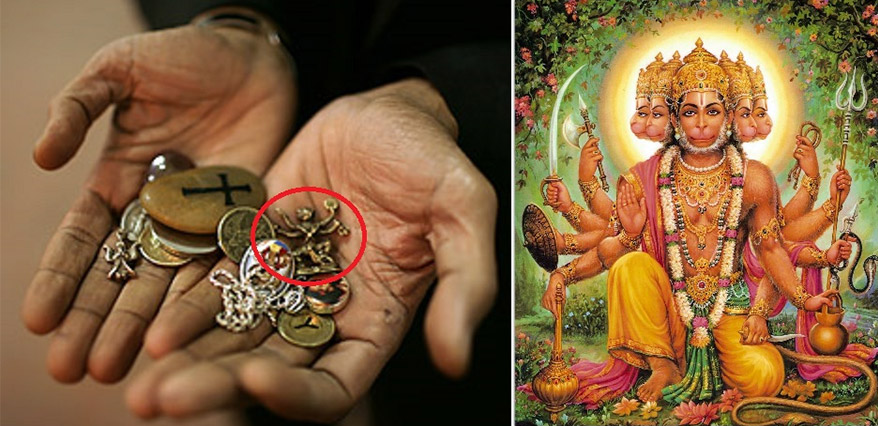


 The Coptic cross comes in a number of different forms, and is the symbol of Coptic Christianity, one of the oldest Christian denominations in Egypt. The term Copt is derived from the Greek word Aigyptos that means Egyptian. The denomination became separated from mainstream Christianity due to some theological differences, but it contributed a lot to the faith in general.


 However, the


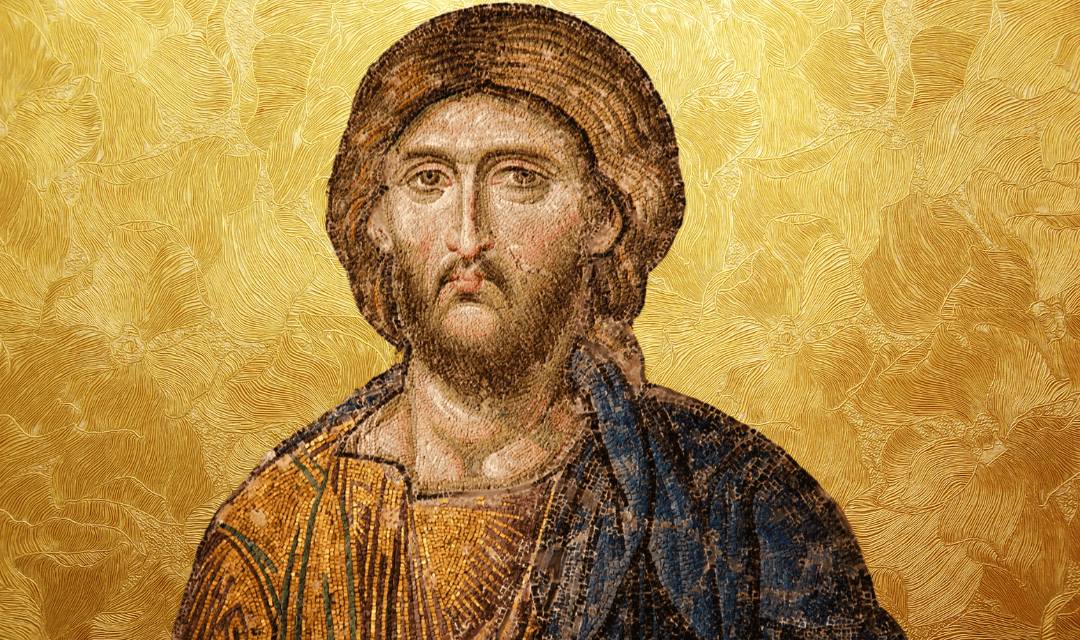


 Here are some Little Jesus Figures holding a Bible.spacer
 The Unseen Corners: Where We Least Expect





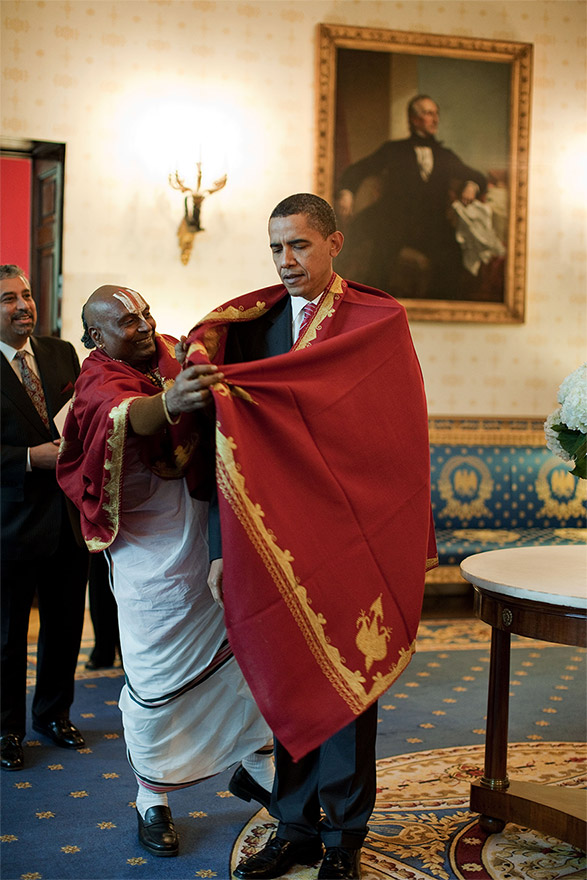
Comments are closed.