
How many people are aware of the sudden surge in promotion and consumption of Fermented foods and drinks? We have been subtly brainwashed and programmed into believing not only that fermented foods are “good for us” but that we NEED THEM. Anytime something or someone is suddenly HIGHLY PROMOTED, you have to know there is a lot of money and a purpose/agenda behind it. In these days of Great DECEPTION and Confusion it is only wise to be cautious and discerning.
The images at the top of the page are just a sampling of how fermented foods are being highly promoted. Just in case you have not been exposed to the increased and increasing promotion of fermentation, check out the following titles and/or read them for yourself.
NOTE: Most if not all of the articles used in this post are only represented by excerpts. I encourage you to visit the individual sites for more information.
The future is fermented: Microbial biodiversity of fermented foods Science Direct
Welcome to the age of fermentation – Chemical and Engineering News
Fermentation is all the rage, and with good reason. Linked In
Fermenting food has been all the rage… – HomeschoolingFinds
Fermented foods are all the rage… – Farmer at the Door
Dive into the world of fermentation! … – Instagram
“Dive into the world of fermentation!🌶️🥬 Fermented products are all the rage in the health and beauty world.


FERMENT
Noun
Definition: A state of great agitation or excitement, often resulting from strong emotion or conflict.
-
Synonyms: Commotion, turmoil, upheaval, unrest, disturbance
Verb
Definition: To cause or undergo a process of decomposition or fermentation, especially by the action of microorganisms.
-
Synonyms: Rot, decay, sour, spoil, putrefy
Adjective
Definition: Characterized by or undergoing fermentation.
-
Synonyms: Fermented, leavened, effervescent, bubbly
Adverb
Definition: In a state of fermentation or agitation.
To ferment trouble: To create or instigate conflict
The political climate in our nation is in a state of ferment, with violence in our streets, protests and demonstrations occurring daily.
SPACER

I always thought that line from Shakespeare’s MacBeth read “Bubble, Bubble, Toil and Trouble”. When I saw the above image, I thought they got it WRONG. But, lo and behold…
So, interesting because it is so relevant to this post! DOUBLE, DOUBLE applies to what happens when leaven is added…the batch increases in size. TOIL and TROUBLE, that is what fermentation causes as the microbes attack the substance HEATS UP! It causes excitation, agitation, stress and ultimately CHAOS. The fire within the substance burns and causes bubbles!


spacer
MYCROPROTEIN – is a protein-rich meat substitute derived from the FUNGUS FUSARIUM VENENATUM, commonly use in products like Quorn. (Interesting Anagram for QURON)
| Fusarium venenatum is a microfungus of the genus Fusarium that has a high protein content. One of its strains is used commercially for the production of the single cell protein mycoprotein Quorn. SOURCE |
 |
|
|
 |

 The company was founded as Monde Denmark Nissin Biscuit Corporation on May 23, 1979, by Hidayat Darmono, patriarch of the Kweefanus family. Its first products were Nissin Butter Coconut and Nissin Wafer.[2][6] Several cookies and snack products were also launched a few years later, namely Eggnog Cookies, Bread Stix, and Bingo Cookie Sandwich. The company was founded as Monde Denmark Nissin Biscuit Corporation on May 23, 1979, by Hidayat Darmono, patriarch of the Kweefanus family. Its first products were Nissin Butter Coconut and Nissin Wafer.[2][6] Several cookies and snack products were also launched a few years later, namely Eggnog Cookies, Bread Stix, and Bingo Cookie Sandwich.
In 1989, MDNBC expanded into another segment and launched Lucky Me noodles in beef and chicken variants.[7] On March 17, 1999, Monde Denmark Nissin Biscuit Corporation was changed its name to Monde Nissin Corporation based on the SEC regulatory filing. In 2015, Monde Nissin acquired Quorn for £550 million, in what was the third largest overseas purchase by a firm in the Southeast Asian nation at the time of the transaction. In 2019, Monde Nissin also invested in NAMZ Pte. Ltd., a food science company in Singapore that redesigns food, beverage, and personal care products.[8] By 2020, according to Nielsen, Monde Nissin ranked first in retail sales value in the Philippines in instant noodles and biscuits, as well as oyster sauce and yogurt drinks.[9] In 2020, Monde Nissin’s instant noodles, biscuits, yogurt drinks and oyster sauce constituted 68%, 30.5%, 73.2% and 56% of retail sales market share in the Philippines, respectively.[9] Flagship brands contributing to this market leading position included Lucky Me! for instant noodles, SkyFlakes, Fita, Nissin and M.Y. San Grahams for biscuits, Mama Sita’s for culinary aids and Dutch Mill for yogurt drinks.[9] By 2020, Quorn Foods also became the market leader in the meat alternatives market in the U.K. with Quorn being the number 1 brand with 28% grocery retail market share by value in 2020, as set out in the OC&C report.[10] On June 1, 2021, Monde Nissin Corporation was inaugurated as a listing on the Philippine Stock Exchange.[11]
|


| “MONDE” is a French word meaning “world”. It originates from the Latin word “mundus,” which also means “world” or “universe.” In French, “monde” can refer to the physical planet or the broader sociocultural apheres, such as the “world of the business” or the “world of fashion.” dditionally, “monde” can denote a realm beneath or different from the mortal world, often indicating the underworld or a smaller, miniature world. Oxford English Dictionary+2 |
NISSIN has multiple meanings and origins:
|
spacer
Did You Know That Quorn Was Invented Beside The Thames?Last Updated 27 June 2022  ‘What exactly is Quorn?’ It’s a common enough question among the animal-chewing community. Us veggies know that it’s based on a mycoprotein — a meat substitute derived from fungi. What few realise is that the versatile ingredient might not exist were it not for the River Thames. Quorn was first launched onto the British Market in 1985, by Marlow Foods. The company name offers a clue to its origins. Quorn was developed from a fungus found growing in Marlow, Buckinghamshire. The hunt for such foods began in the late 1960s amid fears that animal protein alone could not feed the world’s growing population. Rather than kill large, doe-eyed beasts for their protein, perhaps a way could be found to scale up the nutritious offerings of smaller organisms. Researchers turned their attention to bacterial and fungal proteins that could be readily vatted for human consumption. The breakthrough came in 1967 with the discovery of Fusarium venenatum. This microfungus was discovered in a soil sample from a field near the Thames at Marlow. The mycoprotein was co-developed by ICI and Rank Hovis McDougall. No combination of their names would look pleasing on a supermarket shelf, so the product was eventually marketed under Marlow Foods — named after the source of the fungus. The brand name Quorn, meanwhile, is lifted from a village in Leicestershire.  |
spacer
 The River Thames, known alternatively in parts as the River Isis, is a river that flows through southern England including London. At 215 miles, it is the longest river entirely in England Etymology: Proto-Celtic *tamēssa, possibly meaning “dark”
Thames
river through London, Middle English Temese, from Old English Temese, from Latin Tamesis (51 B.C.E.), from British Tamesa, an ancient Celtic river name perhaps meaning “the dark one.” |
spacer
Definition and Origin
Mycoprotein is a type of protein that comes from a naturally occurring fungus called Fusarium venenatum. It is produced through a fermentation process, where the fungus is cultivated in large fermenters with glucose and other nutrients, resulting in a dough-like substance that mimics the texture of meat. Mycoprotein was first introduced to the market in the 1980s under the brand name Quorn, which has since become a leading name in meat alternatives. Healthline
Nutritional Content
-
Calories: 85
-
Protein: 11 grams
-
Fat: 2.9 grams
-
Carbohydrates: 3 grams
-
Fiber: 6 grams
-
Sodium: 5 mg
Uses and Benefits
Mycoprotein is primarily used as a meat substitute in various products, including burgers, sausages, and meatless grounds. It is popular among vegetarians and vegans, although some products may contain small amounts of egg or milk proteins. The texture and flavor of mycoprotein make it a versatile ingredient in many dishes, providing a satisfying alternative to meat
Safety and Allergies
While mycoprotein is generally recognized as safe by food authorities, some individuals may experience allergic reactions to it. Reports have indicated potential side effects such as nausea and gastrointestinal discomfort in some consumers. Therefore, it is advisable for individuals with known allergies to fungi to exercise caution when consuming mycoprotein products. Healthline
spacer
Future of Food: Mycoprotein & Plant-Based Meat | Watch
 |
 |
 |
 |
 |
 |
 |
 |
 |
spacer

spacer

spacer

spacer
THE SPIRITUAL BACKGROUND OF VEGAN “MEAT OF THE FIELDS”
Thursday, January 24, 2019
Originally posted on Vegan Mainstream by Bryanna Clark Grogan on January 21, 2014
© 2019 Bryanna Clark Grogan. All Rights Reserved.
Here are some recipes that I developed for the Vegan Mainstream Cookbook Club as their “January Chef” in 2014. This entailed writing an article, with recipes and photos, and doing a video chat with the wonderful and patient Stephanie Redcross and Emma Laroque.
If you’d like to see the video of the live chat, it’s available here. It was fun chatting with Stephanie, who is in Georgia (USA) and Emma, who lives across the Straight, not far from where I live!

“Buddhists are vegetarians, consequently a small pocket of gastronomy has developed, fascinating in its attempt to create the ordinary flavours and appearance of fish and meat by using vegetarian ingredients. The Buddhists, whether monks or ordinary people, mingled freely with the non-vegetarians, and because the manners of Chinese society are all-embracing and diffuse, felt obliged to provide food which looked and almost tasted like meat. This was a sign of hospitality.”
“The school of cooking which originated in the temple kitchens expanded and was taken up by the Yangchow cooks, specializing in delicate pastries and noodles. The challenge of simulating textures and appearance was irresistible. They were, in fact, able to reproduce even the intricate diamond pattern of duck skin, by lightly scoring smooth bean curd and filling in the cuts with a soy sauce mixture. Vegetarianism, which had originated for ethical reasons, finally became the gastronome’s business, and fell into the fine hands of the pastry cook.”
spacer
| 1 Timothy 4:3-4 warns against false teachings that advocate abstaining from certain foods, which God created to be received with thanksgiving by those who believe. Now the Spirit clearly says that in the last times some will depart from the faith and pay attention to seducing spirits and doctrines of devils, 2 speaking lies in hypocrisy, having their consciences seared with a hot iron, 3 forbidding to marry, and commanding to abstain from eating meat, which God has created to be received with thanksgiving by those who believe and know the truth. 4 For everything created by God is good, and not to be refused if it is received with thanksgiving, 5 for it is sanctified by the word of God and prayer. 6 If you remind the brothers of these things, you will be a good minister of Jesus Christ, nourished by the words of faith and of good doctrine, which you have followed closely. 7 But refuse profane and foolish myths. Instead, exercise in the ways of godliness. |
spacer
Although tofu and other Chinese soy products are strongly associated with Chinese vegetarian cuisine, it is less well-known that wheat gluten may have been introduced into Chinese cuisine as early as during the reign of Emperor Wu (see paragraph above). The making of a sort of proto-gluten is described in the Chhi MinYao Shu (“Notes on Miscellaneous Affairs”; C.E .544[Liang Dynasty]).
Eventually, wheat gluten was called mien chin, meaning “the sinew of flour”, and was a well-established term by the Sung period (C.E. 969-1279), mentioned in writings of the time. A passage about iron and steel from Shên Kua’s Mêng Chhi Pi Than (“Dream Pool Essays”, C.E. 1086) reads: “Steel is to iron as mien chin (gluten) is to mien (flour). It is only after thoroughly washing the dough that gluten is revealed.”
Gluten was mentioned over the centuries by many writers and scholars, even in novels, such as Hsi Yu Chi (“Journey to the West”, C.E. 1570) and Ju Lin Wai Shi (“The Unofficial History of the Literati”— C.E. 1740.). This indicates that gluten was accepted outside of the circle of Buddhist ascetics. Recipes for cooking gluten are found in the major culinary works of the Yuan to the Qing (Chhing) Dynasties (C.E. 1279- 1912).
Over the centuries, Chinese chefs devised ever more elaborate recipes for meatless “meats”, “seafood”, and “poultry”. Stella Lau Fessler, in her book “Chinese Meatless Cooking”, wrote: “To a Chinese cook, imitating certain meat dishes with non-meat ingredients is not simply a matter of replacing the meat. It is instead an effort to show off the great culinary art of China, to make the impossible possible.”
He also points out how milk is not exclusively dairy-based anymore—there are bean milks, like soy; grain milks, like oat and rice; seed milks, like quinoa, hemp and flax; and nut milks, such as almond, cashew, coconut and hazelnut. Soy why not “grain meat”, “nut meat”, soy meat”, etc.?
spacer

CAIN AND ABEL: GENESIS 4 4 Adam[a] made love to his wife Eve, and she became pregnant and gave birth to Cain.[b] She said, “With the help of the Lord I have brought forth[c] a man.” 2 Later she gave birth to his brother Abel. Now Abel kept flocks, and Cain worked the soil. 3 In the course of time Cain brought some of the fruits of the soil as an offering to the Lord. 4 And Abel also brought an offering—fat portions from some of the firstborn of his flock. The Lord looked with favor on Abel and his offering, 5 but on Cain and his offering he did not look with favor. So Cain was very angry, and his face was downcast. 6 Then the Lord said to Cain, “Why are you angry? Why is your face downcast? 7 If you do what is right, will you not be accepted? But if you do not do what is right, sin is crouching at your door; it desires to have you, but you must rule over it.” From the very beginning God made it clear that the wages of SIN is DEATH. Because of the Fall in the Garden, mankind had to have redemption. The price must be paid. God had a plan…an AWESOME PLAN but it involved a period of waiting for humanity. Waiting until the REDEMEER would arrive at GOD’s perfect moment. Adam and Eve understood. In the meantime, while waiting for Messiah, God had a plan for temporary redemption through the sacrifice of the flesh of animals instead of humans. When we had to kill an animal to eat, we understood that a life has to be sacrificed for us to live. ABEL was demonstrating that he understood God’s plan as honoring by the sacrifice of his best lamb. Representing the Lamb of GOD that would save all humanity. Cain decided that he would bring his own kind of offering, representing his own labor and values. He represents all those who think they can find their own way to heaven, without GOD’s plan. His offering was rejected, as will all those who worship the creation and not the CREATOR. There is only one way to SALVATION/REDEMPTION/RESTORATION. One way to HEAVEN, and ONLY ONE GOD.
|
spaceracer

SPACER

What Is Seitan and Is It Healthy? Here’s What a Dietitian Says

Seitan (pronounced say-tan), aka wheat gluten, has been a common ingredient in Chinese vegetarian dishes for centuries, particularly for people who practice Buddhism and abstain from meat for religious reasons. Having grown up in a Chinese family, I regularly eat seitan—also known as mianjin in Mandarin and min gan in Cantonese. It’s one of my favorite plant-based proteins.
Seitan, sometimes referred to as “wheat meat,” has gained popularity in Western cuisines as a plant-based protein option, used as an alternative to tofu, edamame or tempeh in dishes like curries, stir-fries, salads and more. It’s also an ingredient used in making plant-based analogs to animal proteins—like meatless ground “beef,” deli slices and sausages.
What Is Seitan?
Traditionally, seitan was made by combining wheat flour with water and kneading it into a dough. Once the dough forms, the starch is washed away, leaving a mass of gluten behind. Then the seitan would be cooked, often by poaching it.
Nowadays, if you want to make homemade seitan, you can purchase vital wheat gluten, also known as gluten flour, which allows you to skip the step of washing away the starch. The dough is shaped into a loaf, noodles, “chicken” nuggets and more, then poached in water or broth, sometimes with seasonings added to it, like nutritional yeast or soy sauce.
You can also buy seitan at the supermarket, usually near the tofu in the refrigerated produce section.
On its own, seitan has a neutral flavor. Some people say its taste resembles a piece of unseasoned chicken breast or a portobello mushroom. Because of its mild flavor, it can easily pick up the flavor of whatever you throw at it—herbs, spices, sauces and marinades— which will bring out its hidden umami and savoriness.
Because seitan is essentially wheat gluten, the protein that gives elasticity to wheat dough, it creates a unique texture that makes seitan appealing to people seeking plant-based “meat” options that mimic the texture of animal meat—something tofu and tempeh don’t necessarily offer.
Seitan Nutrition Facts
According to the USDA, 2 ounces (57 grams) of crumbled seitan contains:
|
|
Seitan is a low-calorie, low-fat and low-carb food that also provides some iron. And unlike animal sources of protein, you get a little bit of fiber in seitan, too.
Protein in Seitan
You may be surprised to learn that seitan rivals animal-based protein sources. For example, 2 ounces of seitan has about the same amount of protein as a 2-ounce serving of chicken breast, per the USDA.
This is misleading, because though it may have the same “amount” of protein, it is not the same kind of protein with the same nutrients. It does not process through our body in the same manner providing the same building blocks to our system.
And according to the USDA, compared to other plant-based protein options, a 2-ounce serving of seitan provides more protein than 1 cup of edamame, 2 ounces of firm tofu or 2 ounces of tempeh.
But there is a downside to seitan. While it is an excellent protein source for vegetarians and vegans, it is an incomplete protein, meaning it doesn’t provide all the essential amino acids like soy-based foods do, including tempeh and tofu.
According to a 2021 article in Food Chemistry, seitan is low in lysine, an essential amino acid for growth that’s commonly found in animal-based products. While eating various plant-protein sources at the same time to make a complete protein is unnecessary, it’s important to vary those sources throughout your day to ensure you don’t miss out on essential amino acids. The protein in seitan may be more easily digested than some other proteins.
Other Factors to Consider
Because seitan is made from wheat, if you have celiac disease or gluten sensitivity, you will need to avoid seitan.
Another thing to watch out for is that store-bought flavored seitan may have added salt and sugar. If you are concerned about either of these, read the Nutrition Facts panel and the ingredients list to determine the amounts of sodium and added sugar. Look for a product with lower added salt and sugar or make your own.
Seitan can also be made with bean, lentil or chickpea flour. One reason these may be added to seitan is to add lycine—that essential amino acid that seitan is typically missing.
How to Use Seitan
Whether you have store-bought, ready-made or homemade seitan, it must be cooked before serving.
I enjoy eating seitan as “mock duck.” In this traditional Chinese vegetarian dish, seitan is marinated in soy sauce, salt and mushroom powder that gives the duck-ish flavor.
There are also many creative ways to enjoy “wheat meat” similar to other animal and plant-based proteins—steamed, stir-fried, pan-fried, barbequed or grilled. Simply season it with your favorite savory spices, sauces or marinades as you would any meat.
Seitan vs. Tempeh
Seitan and tempeh are two different foods. Seitan is a protein from wheat gluten, while tempeh is made from fermented soybeans. Fermented foods like tempeh are packed with probiotics—those gut-friendly bacteria that are essential for a healthy gut.
Both foods may have a similar white-to-beige-colored appearance. Still, when taken apart, seitan resembles the look of cooked meatloaf or sausage. In contrast, tempeh has layers of soybeans stacked on top of one another.
The two foods also have different flavor profiles—seitan is mild, while tempeh is nutty and earthy.
Nutritionally, seitan offers more protein per serving than tempeh; but tempeh offers complete protein, while seitan does not.
Both seitan and tempeh can be healthy protein sources, but not everyone should include them in their diet. People with an allergy or sensitivity to soy should avoid tempeh (and other soy-containing products), yet they could include seitan to diversify their protein choices. On the other hand, people with celiac disease or gluten sensitivity should avoid seitan but could include tempeh.
It’s important to point out that while soy is naturally gluten-free, its byproducts are often processed with wheat products. So make sure to check the label if you have gluten sensitivity or celiac disease and need to restrict or avoid consuming it.
The Bottom Line
Seitan is a protein-rich food you can consider adding to your weekly rotation of proteins, especially if you follow a vegetarian or vegan diet. Seitan is simple to make at home with vital wheat gluten. Alternatively, you can buy store-bought seitan, but remember that sugar, salt and fat may have been added during processing.
BEWARE…this fake food has from its inception been made as a ritual and demonic entities are at play. The act of making it is a symbol of your rebellion against the Creator and your alignment with demons.
Some seitan is not pure wheat gluten but could have other ingredients like beans, lentils and chickpeas. Always check the label and ingredient list if you are looking for pure seitan—although including legume flour will add lycine to the seitan. Finally, if you have celiac disease or gluten sensitivity, explore other plant-based protein options for your meals.
spccer
Seitan in Culinary Context

spacer
In the realm of culinary exploration, one ingredient has been making waves, not only for its versatility but also for its ability to cater to the dietary preferences of a growing number of individuals seeking plant-based alternatives. Enter seitan, a protein-rich marvel that has taken the gastronomic world by storm. Derived from wheat gluten, seitan’s origins trace back to ancient Asian cultures, where it has been a staple for centuries. This culinary chameleon boasts a unique attribute—it remarkably mimics the texture and taste of meat.
As a star player in the arsenal of vegetarian and vegan cuisine, seitan steps onto the plate with remarkable flair. Its popularity among these dietary communities arises from its remarkable resemblance to meat, both in texture and flavor. This duality has unlocked a world of culinary possibilities, enabling chefs to craft dishes that retain the essence of beloved meat-based classics. From succulent seitan steaks to savory sausages, this ingredient has become an indispensable tool in the hands of culinary artists aiming to create sumptuous, meat-free alternatives.
spacer
| Foods that have the semblance of meat, but not the substance thereof. Anyone who think that eating something made to look and taste like meat and receive the same nourishment… is deceived. There is so much more to meat (all natural foods be it grain or animal) thank just the look and taste of the end product laid on your plate. Nourishment comes through the earth, the sun and water. The plants process those things in one way and the the animals process them in other ways. God designed the entire earth and all the functions of it and COMMANDED US WHAT FOODS WERE CLEAN and WHAT FOODS ARE UNCLEAN. Leviticus 11 outlines the dietary laws detailing which animals are permissible to eat and which are not, reflecting God’s provision for sustenance. God’s dietary laws, primarily found in the Old Testament, particularly in Deuteronomy 14, outline what is considered clean and unclean for consumption. In the biblical account of the flood, God instructs Noah to take seven pairs of clean animals into the ark. This command is found in Genesis 7:2, where God tells Noah to take clean animals by sevens, a male and his female, along with unclean animals by two, a male and his female, and also seven pairs of birds of the air, male and female, to preserve life after the flood. This distinction highlights God’s intention for the preservation of life and the continuation of worship and sacrifice after the flood. This proves that God’s dietary laws were known to humanity before there ever was a MOSES. People who are VEGAN or VEGETARIAN have historically resorted to eating foods that GOD calls unclean in attempt to replace the nourishment that God supplies in meat and dairy. They eat creepy crawling things and things unclean. Garbage fish, fowl and four legged creatures. |
| DO YOU REMEMBER SENOMYX AND THE CONTROVERSY OVER PEPSI AS NESTLES USING IT IN THEIR PRODUCTS? Senomyx is an American company that claims to have “reverse-engineered” human taste and aroma receptors. Senomyx’s products work by amplifying the intensity of flavours. This is achieved by expressing taste receptors and measuring receptor signalling in response to additives. Senomyx uses human embryonic kidney (HEK) cells, also known as HEK-293 cells, which were “taken from an electively aborted baby” to produce human taste receptors. Source |
 |
| SENOMYX and other companies like it, are able to make your food taste like your favorite flavors. MEANING THEY CAN MAKE SHIT TASTE GOOD TO YOU! Because very small amounts of the additive are used (reportedly less than one part per million), Senomyx has no obligation to report their ingredients to the consumer. Senomyx products fall under the broad category of “artificial flavors”. For the same reason, the company’s chemicals have not undergone the FDA Approval. Source |

DO YOU REALLY WANT TO TRUST CORPORATIONS WHO LIE TO YOU WITH IMPUNITY? If you make your food selections based purely on taste and appearance you will fall prey to deception and it will cost you. Impunity refers to exemption or freedom from punishment, harm, or loss. It often describes situations where individuals, particularly those in power, act without fear of consequences for their actions. In the context of human rights, impunity signifies the failure to hold perpetrators of violations accountable, denying victims their right to justice. SOURCE: Merriam Webste |
What truly elevates seitan to a league of its own is its impressive protein content. With protein levels that can rival those found in meat and legumes, seitan stands tall as a formidable source of this essential nutrient. This is particularly appealing for those embracing vegetarian and vegan diets, who often seek adequate protein sources to maintain their health and energy levels. The protein-rich nature of seitan not only satisfies dietary needs but also serves as a canvas for chefs to explore a myriad of culinary fusions, as it readily absorbs flavors, spices, and seasonings.
The hallmark of seitan, however, is its unparalleled ability to mirror the texture of meat. Its fibrous and chewy consistency is reminiscent of cuts of beef or poultry, making it an ideal candidate for dishes that demand that hearty bite. From stir-fries to sandwiches, seitan’s adaptable nature seamlessly integrates into a wide range of culinary creations, bringing a dash of familiarity to plant-based plates. This unique attribute, combined with its neutral flavor profile, makes it a versatile ingredient that can be tailored to suit a myriad of culinary traditions and personal tastes.
As the demand for sustainable and ethical dietary choices gains momentum, seitan emerges as a superstar, aligning with the values of many who seek to reduce their meat consumption. Its production requires considerably less environmental resources compared to traditional meat production, making it an eco-friendly alternative that doesn’t compromise on taste or satisfaction. Moreover, its creation is a testament to the artistry of food innovation, transforming a humble ingredient like wheat gluten into a culinary masterpiece that tantalizes taste buds and ignites conversations.
Keywords: seitan, culinary exploration, plant-based alternatives, wheat gluten, vegetarian, vegan, protein-rich, texture, flavor, protein content, dietary needs, sustainability, food innovation, meat consumption, eco-friendly alternative.
The Connection to Satanic Imagery

Amid the lexicon of intriguing phrases that dot the linguistic landscape, “Hail Seitan” beckons us into a realm where language playfully dances on the edge of tradition and taboo. The very essence of this phrase is woven with a thread of satanic imagery, a juxtaposition that demands our attention and piques our curiosity.
Exploring the Depths of Satanic Imagery
At the heart of this linguistic conundrum lies an exploration of satanic imagery, a motif that has long been intertwined with cultural perceptions of darkness, rebellion, and the enigmatic. The phrase “Hail Seitan” cleverly manipulates a well-known religious association—the greeting “Hail Satan,” often linked to expressions of rebellion or challenge. By substituting “Seitan” for “Satan,” the phrase invites a play on words that both teases and subverts traditional symbolism.
Historical Association with Darkness and Rebellion
The historical linkage between Satan and rebellion dates back to ancient mythologies and religious narratives, wherein Satan is cast as a symbol of defiance against divine authority. Throughout history, the figure of Satan has been a canvas for the human exploration of forbidden knowledge, the questioning of societal norms, and the embrace of individuality. From Milton’s “Paradise Lost” to contemporary popular culture, the satanic imagery has evolved, continually adapting to reflect broader societal attitudes towards authority and convention.
A Playful Twist: Seitan and Edgy Expression
It is within this nuanced backdrop that the phrase “Hail Seitan” finds its voice. Seitan, with its origins in wheat gluten, takes on a double life, representing both a culinary delight and a linguistic curiosity. The seemingly innocent substitution of “Seitan” for “Satan” infuses the phrase with a playful audacity that challenges linguistic norms. The choice to evoke satanic imagery in a culinary context is as unexpected as it is engaging, ushering in a sense of rebellion and nonconformity—traits that resonate with countercultural expressions.
This play on words serves as a testament to language’s fluidity and its capacity to remix cultural symbols into new forms of expression. The fusion of culinary and satanic imagery encapsulates the whimsical spirit of contemporary culture, where juxtapositions of the unexpected are celebrated as acts of creative defiance.
Navigating the Intersection
As we navigate the intersection of satanic imagery and the culinary world, “Hail Seitan” invites us to reconsider the boundaries we place on language. This phrase serves as a mirror reflecting the complexities of modern discourse—a space where playful provocation coexists with reverence for tradition, and where linguistic innovation sparks conversations that transcend convention.
In a world shaped by rapid communication and digital interconnectedness, the evolution of language is both a reflection and a catalyst of cultural shifts. Phrases like “Hail Seitan” exemplify language’s dynamic ability to evolve, transform, and challenge. Whether it sparks a hearty laugh, raises an eyebrow, or encourages introspection, the phrase reminds us that words are more than tools for communication—they are vessels for meaning, imbued with the power to shape perception and provoke thought.
This is a lie. Throughout history the ruling class has labored to hide or delete the truth believing that if they change our perception of things, words, places, beliefs they can erase the origins This is a huge lie. The Roman Catholic Church told people that by placing a church on a pagan ritual site they could reclaim and repurpose it. That is not how the Spirit World works. More importantly that is not how words and names work. God told me that the only thing that matters is the root. The root/source/the beginning of ANYTHING is the TRUTH. Everything else is a cover up/Deception/LIE! Evolution is a Pagan Teaching. That is not GOD’s WAY! GOD is the only one who can RECLAIM AND RESTORE. HE IS IN THE BUSINESS OF RESTORATION!!
SPACER
Another type of FERMENTED FOOD/ FAKE MEAT
spacer


spacer
|
Rhizopus oligosporus is a filamentous fungus widely used as a starter culture for tempeh production, known for its ability to bind soybeans into a nutritious cake while inhibiting harmful bacteria.
CharacteristicsRole in Tempeh Production |

spacer


Psychoactive Plants
The Ancient Egyptians used the Lavandula or lavender plant to scent perfumes and for various ointments, and the Ancient Romans included the salvia officinalis or sage plant into their hair care routines, as well as in various medicines for many different ailments. The first known use of plants by humans for their intoxicating and psychoactive properties dates back to 13,000 years in the Levant, when the Natufian civilization made alcoholic beer from a combination of seven different plants. Psychoactive plants are those that affect the mind if they are properly ingested, and depending on the specific plant, their psychoactive properties induce unique responses in the brain.
For the most part, psychoactive plants contain chemicals that affect different neurotransmitters like serotonin, dopamine, and cannabinoid receptors, which are responsible for things like stimulation, sedation, altered moods, and even hallucinations. Today, plants still play a crucial role in many people’s lives, and people use their psychoactive properties for both recreational and medicinal reasons.
Read More: https://www.grunge.com/1483890/psychoactive-plants-what-do-to-brain-according-to-science/
Lucid Dreaming, Subliminal Recordings, Binaural Beats, White Noise
A Variety of Spiritual Experiences ‘IF THERE BE higher spiritual agencies that can directly touch us, the psychological condition of their doing so MIGHT BE our possession of a subconscious region which alone should yield access to them.’ William James Well, William James was pretty smart, because that is exactly where demonic entities access humans. When you … Click Here to Read More
CIA APPROVED, SCIENTIFICALLY EVIDENCED, POPULARLY SOUGHT – OBEs
WOW, what time it is!! On the one hand, so much evil, so many dangers, so much violence and destruction. At the same time, so much TRUTH being revealed on a daily basis!! Deception being exposed. People waking up and standing up!! If you are paying attention at all, you have to recognize that all … Click Here to Read More
What’s in the ALPS?
In this post, we are taking a closer, deeper look at the ALPS. I believe you will be surprised by some of the things revealed here. I know that I was really amazed. Now, you know the subject of the Ruling Elite and their meetings wherein the decide the fate of all of us is … Click Here to Read More
ASTRAL PROJECTION A VERY REAL THREAT IN THE COMING DAYS
If you had the privilege of knowing Russ Dizdar or even just knowing about him and his ministry you know how blessed you are. Russ Dizdar was a powerful gift from GOD for our world. He was an incredible human being who fought the enemy face to face/headon every night and day. He was a … Click Here to Read More
GATEWAY PROJECT


s
New Interest in Tempeh (1960-82) . A new wave of worldwide interest in tempeh began in the early 1960s, sparked largely by the initiation of tempeh research on the part of two groups of American microbiologists and food scientists: one at Cornell University’s New York State Agricultural Experiment Station in Geneva, New York, and the other at the USDA Northern Regional Research Center at Peoria, Illinois. Each group had an Indonesian as a catalyst and co-worker for its tempeh research. The Cornell group, under the leadership of Dr. Keith H. Steinkraus, worked with Ms. YAP Bwee Hwa, starting in 1958. This group did extensive, original research on tempeh and from 1960 published a series of pioneering scientific papers on all aspects of the new-found fermented soyfood. The USDA group, under the leadership of Dr. Clifford W. Hesseltine, got interested in tempeh as soon as the Indonesian microbiologist KO Swan Djien arrived in Peoria in 1960 to study industrial fermentations. There Hesseltine encouraged him to start by studying the tempeh fermentation.
The first Indonesian to do scientific research on tempeh, and to write a post-graduate thesis on the subject was Ms. Yap Bwee Hwa – a Chinese Indonesian whose name comes from the Hokkian dialect of Fujian (Fukien) province. After graduating from the Fakultet Ilmu Pasti dan Alam (Faculty of Natural Sciences and Mathematics) in Bandung with a major in biochemistry (degree equivalent of MSc), she went to work in Jakarta at the Nutrition Institute under Dr. Poorwo Sudarmo, a progressive physician interested in nutritious, low-cost foods for infants. She then won a Fulbright scholarship to the United States and Sudarmo encouraged her to study tempeh. After reading an article by van Veen on the value of tempeh in prisoner of war camps, she made up her mind. The Fulbright committee suggested that she study at Cornell University, so she wrote Dr. Hand, head of the Department of Food Science and Technology at Cornell’s New York State Agricultural Experiment Station. She visited plants tempeh plants in Indonesia to study the process, collected tempeh from the Jakarta market, then dried it and put it in a little brown bottle for later use as tempeh starter. She left Indonesia for the USA in August 1957. In the summer of 1958 she started to work in Dr. Steinkraus’ laboratory at Geneva, New York, where, for the first time, she prepared tempeh. This was probably the first tempeh ever made in America. A graduate student in nutrition and food science, Ms. Yap pursued her interest in tempeh as a nutritious food for infants and children, in part because of the high rate of infant mortality in Indonesia caused by undernutrition (Yap 1984, personal communication). In 1960 she wrote her MS thesis titled Nutritional and Chemical Studies on Tempeh, an Indonesian Soybean Product . That same year she co-authored the Cornell group’s first tempeh publication “Studies on Tempeh–An Indonesian Fermented Food” (Steinkraus et al. 1960). It is also interesting to note that it was from the pulverized sample of tempeh that Yap brought with her from Indonesia that the group isolated the culture of Rhizopus oligosporus , which Dr. Hesseltine later identified and gave the number NRRL 2710. This is still the most widely used tempeh culture strain in the USA.
SOURCE: History of Tempe
spacer
What I found interesting is that the “West” had been fully aware of these fermented products since 1600. I also found it interesting that the nations known for living on these products were so undernourished that they babies were starving. It was also interesting to note that the Western interest in Soy and its fermentation occurred right around the same time as DNA experimentation and CRISPR. So, this is the reason why so much of our farmland suddenly was growing soybeans and maize.
spacer

spacer
For years now soybeans and feed grade corn (maize) is what you see growing across the USA. Of course maize can be used for lots of industries, If you look at the graph below you will see that all the produce that you can use for fermentation are represented. I do not even see wheat listed at all. We used to feed the world with our surplus wheat. We were once called the breadbasket of the World.
Concentration of US Crops in Corn and Soybeans: …
Sep 22, 2023 · Corn and soybeans currently account for 87% of US production of grains and oilseeds. Moreover, since the mid-1990s, one-quarter of the increase in US production of grains and oilseeds can be attributed to the increasing concentration in corn and soybeans. Given that US grain and oilseed acres have been range bound between 225 and 250 million acres since 1985, the increasing concentration in corn and soybeans can be seen as an outcome of the private market balancing supply and demand to maintain US production of grains and oilseeds.
Corn and soybean share of US grain and oilseed production increased from 62% in 1965 to 87% in 2022.
Wheat production in the USA is only 2% share of the US total. source
 |
 |
spacer
Securing large quantities of soybeans became critical for China during the 1990s as the country’s growing middle class developed a taste for pork and poultry, which are fed on soybean meal. source
Pork and Chicken Popularity in Asian Countries |
|
The demand for pork and chicken in Asian countries is on the rise due to several factors:
|
|
The global meat industry is a significant sector in the food industry, providing a vital source of protein for billions of people worldwide. Meat consumption has been steadily increasing over the years due to population growth, rising incomes, and changing dietary preferences. According to the Food and Agriculture Organization of the United Nations (FAO), global meat production reached 335 million tonnes in 2020, with China, the United States, and Brazil being the top three producers. Top 10 Countries With the Fastest Growing Meat Demand1. ChinaChina is the largest consumer of meat in the world, with a population of over 1.4 billion people. The country’s growing economy and rising disposable income have led to an increase in meat consumption. Pork is the most popular meat in China, followed by poultry and beef. The Chinese government has been investing in modernizing its meat production industry to meet the growing demand. 2. IndiaIndia is the second most populous country in the world, with a population of over 1.3 billion people. The country has a diverse diet with a significant portion of the population being vegetarian. However, there is a growing trend towards meat consumption, particularly among the younger generation and urban population. Chicken is the most consumed meat in India, followed by goat and buffalo meat. 3. BrazilBrazil is one of the top meat-producing countries in the world, with a strong focus on beef and poultry production. The country has a large domestic market for meat products, as well as a significant export market. Brazil’s meat industry has been growing steadily, driven by increasing demand both domestically and internationally. 4. IndonesiaIndonesia is a populous country in Southeast Asia with a growing middle class and urban population. The demand for meat products in Indonesia has been increasing due to changes in dietary habits and lifestyle. Chicken is the most popular meat in Indonesia, followed by beef and fish. 5. MexicoMexico is a major consumer of meat products in Latin America, with a preference for beef and pork. The country has a growing population and a rising middle class, which has led to an increase in meat consumption. Mexico has a strong livestock industry that supports the demand for meat products. 6. RussiaRussia has a large land area and a rich agricultural sector, which supports its meat production industry. The country has been investing in modernizing its meat processing facilities to meet the growing demand for meat products. Beef and pork are the most popular meats in Russia. 7. ArgentinaArgentina is known for its high-quality beef production, with a strong tradition of meat consumption. The country’s vast grasslands provide ideal conditions for raising cattle, making beef the most consumed meat in Argentina. The Argentine government has been promoting its meat industry to capture a larger share of the global market. 8. VietnamVietnam has a growing economy and a young population that is driving the demand for meat products. Pork is the most popular meat in Vietnam, followed by poultry and beef. The country has been investing in expanding its meat production capacity to meet the rising demand. 9. ThailandThailand is a major producer and exporter of poultry products, with chicken being the most consumed meat in the country. The Thai government has been promoting its meat industry to capture a larger share of the global market. Thailand’s growing tourism industry has also contributed to the demand for meat products. 10. South AfricaSouth Africa has a diverse meat industry that includes beef, poultry, and pork production. The country has a growing population and a rising middle class, which has led to an increase in meat consumption. South Africa has been investing in modernizing its meat processing facilities to meet the growing demand for meat products. ConclusionThe global meat industry is experiencing significant growth, driven by factors such as population growth, rising incomes, and changing dietary preferences. The top 10 countries with the fastest-growing meat demand are experiencing an increase in meat consumption due to urbanization, changing lifestyle trends, and economic development. As these countries continue to invest in their meat production industries, they are likely to play a significant role in shaping the future of the global meat market. |
SPACER
As we have witnessed the great global financial shift from west to east, there has been a huge increase in the demand for MEAT by all those countries that have been surviving on fermented grains. They had no choice for so long due to poverty in their nations. NOW that they have discretionary income, they WANT MEAT!! OF COURSE!! If fermented grins are so GREAT, why would they want meat? MEAT TASTES WONDERFUL and TRULY NOURISHES OUR BODIES like no other food can.
IF the agenda for the New WORLD is NO MEAT… why are all these countries investing in their meat production industries?
I grew up in the fifties – the seventies. We were blessed to be in America at its PEAK to enjoy all that life had to offer. We were healthy. The Government focused on health. The importance of Physical Fitness was stressed at home. Diet and Exercise was taught and observed. We had the nutritional pyramid as our guide, and we lived by it. We were healthy, happy and strong.
spacer
 |
 |
spacer
Suddenly, the focus turned. They dropped President Kennedy’s Physical Fitness Program. Yogurt became the rage, soy and sugar started being an ingredient of just about every food product. Of course soy feminizes men and emasculates women. YOGA and Eastern Philosophy became very popular. In 2003, Obama’s PALA fitness program further established and promoted YOGA as a priority exercise. Veganism and Vegetarianism became the rage.
-
These findings highlight the ongoing challenges in the health of Americans since the 1990s.
I won’t even go into all the horrible ways our society has been declining spiritually, morally, financially, economically, and politically. GOD HELP US! WE HAVE ALIGNED OURSELVES WITH PAGAN CULTURE AND PRACTICES. UNBELIEVABLY BUDDHA is HERE in our nation and in people’s homes. IDOLS!! In America. And more apropos to this post we are EATING LIKE PAGANS whose food is STRONGLY CONNECTED and CREATED by their demonic Pagan entities. WE ARE WHAT WE EAT FOLKS. Make no mistake.
spacer
Do You Believe in Magick? Part 7 – Easternization of the USA
EASTERNIZATION OF THE USA Originally posted by Cynthia Pawl, January 30, 2016; updated 7/2018 President’s YOGA PALA Challenge 2011 …. You can start now…. PRESIDENT OBAMA’S 2011 YOGA PALA CHALLENGE Since 2001, the popularity of yoga in the USA has risen constantly. This has been due to the fact that most large corporations, sports teams, … Click Here to Read More
What is Happening to White Males in America? Updates 2/28/21Let me preface this by stating that this article is not Politically Correct, this is an article that contains many personal opinions and everyone is still entitled to freedom of expression. It is not my goal or intention to hurt or offend anyone. If you are easily offended, please move on to something else, this … Click Here to Read More
Farmers will soon all be Disappeared


UPDATE ADDED 6/26/26 I don’t think people are understanding the gravity of what is happening. As the world is all caught up in the deceptions of the New World Order, they are not even seeing that everything the NWO is doing is designed to bring about YOUR DEATH AND DESTRUCTION. The NWO wants you to … Click Here to Read More

spacer
Microbes and Other Shamanic BeingsAncient/pre-scientific/pre-colonial ways that different cultures have made sense of what many of us now here call fermentation and microbial action in food. César argues that Amerindian shamans had sensory techniques for knowing microbes, and that their knowledge came to shape the development of microbiological science back in Europe. https://link.springer.com/book/10.1007/978-3-319-71318-2 Description
Shamanism is commonly understood through reference to spirits and souls. However, these terms were introduced by Christian missionaries as part of the colonial effort of conversion. So, rather than trying to comprehend shamanism through medieval European concepts, this book examines it through ideas that started developing in the West after encountering Amerindian shamans. Microbes and Other Shamanic Beings develops three major arguments: First, since their earliest accounts Amerindian shamanic notions have had more in common with current microbial ecology than with Christian religious beliefs. Second, the human senses allow the unaided perception of the microbial world; for example, entoptic vision allows one to see microscopic objects flowing through the retina and shamans employ techniques that enhance precisely these kinds of perception. Lastly, the theory that some diseases are produced by living agents acquired through contagion was proposed right after Contact in relation to syphilis, an important subject of pre-Contact Amerindian medicine and mythology, which was treasured and translated by European physicians. Despite these early translations, the West took four centuries to rediscover germs and bring microbiology into mainstream science. Giraldo Herrera reclaims this knowledge and lays the fundaments for an ethnomicrobiology. It will appeal to anyone curious about shamanism and willing to take it seriously and to those enquiring about the microbiome, our relations with microbes and the long history behind them.
|

Yet another link between “Science”-“Magick” |
Plants, Shamans, and the Spirit World


Throughout human history and perhaps even before Homo sapiens evolved, there has been an innate desire to experience a direct connection with god(s), ancestors, and other inhabitants of the spirit world. When examining some of the most ancient cultures across Africa, Europe, Asia, Australia, and the Americas and up through time to the preindustrial age we observe many clans, sects, and tribes partaking of psychoactive and other plants for spiritual and/or medicinal uses. The uses and curative effect of these plants were strongly interconnected with ritual. For many tribal cultures, the plants in and of themselves were sacred. Supernatural powers resided in their tissues as a divine gift to humans on earth.
In many cultures the men and women that served as tribal healers, shamans, medicine men or women, had a deep understanding of the use of these plants singularly and/or in combination. These “herbalists” served as spiritual guides and dream interpreters and led many sacred ceremonies where the use of psychoactive plants played an integral role in burial rituals, rites of passage, healing rituals, vision quests and purification rituals. In many nations these beliefs and practices have not changed. These ceremonies, rites and rituals continue even in our “modern” world.

Using psychoactive plants, shamans had the power to enter trances, combat evil spirits and disease, communicate with ancestors, prevent famine, and control weather (rain dances). Within the plant-induced visions and trances, the shaman was able to comprehend the spirit world and the real world and maintain balance between the two. Prayers were offered to the spirits to whom these holy plants belonged. Indeed, for some, the plant itself was god or provided a way to god.
In many societies, healers or shamans function as intermediaries between the physical and spiritual world. Illness is thought to be caused by a loss of the soul from the body and the shaman’s role is enter that world and retrieve it so body and soul are whole again. The use of “spirit guides”, powerful plants or totemic animals assists the shaman in the spirit world.

The use of psychoactive plants and fungi allowed for entry into the spirit world. Stephen Buhner in his book Sacred Plant Medicine offers that it is within the human subconscious where mind-altering substances provide a gateway to the spirit world, the realm of the sacred. The subconscious informs the conscious that our experiences within the spirit world are indeed real. It has been the shaman, the healer, the priestess, the mystic, or the religious leader that helps the travelers understand their journeys and experiences within the spirit world.
Today’s modern societies and state authorities have eliminated or made illegal the use of most psychoactive plants except for prescribed medicinal use or in rare cases for religious use (such as peyote by the Native American Church). Although psychoactive plants are still utilized today, in many cases, their sacred, ritualistic use has been transformed to profane recreational use or substance abuse. Regardless, many psychoactive plants have continued to maintain a place in modern secular and religious societies around the world. Unfortunately, the knowledge of their historical uses and meanings have been lost to the ages for the vast majority of people in today’s modern urban societies.
Tempeh: A Cultural and Culinary Journey
Sarah Lee AI generated Llama-4-Maverick-17B-128E-Instruct-FP8 7 min read · June 20, 2025

Embark on a culinary journey through the world of Tempeh, exploring its cultural significance, traditional uses, and modern applications. This article delves into the rich history and versatility of Tempeh, a fermented soybean product that has been a staple in Indonesian cuisine for centuries.
Cultural Significance of Tempeh
Tempeh is more than just a food item; it holds significant cultural and symbolic meaning, particularly in Indonesian culture. Understanding its cultural context is crucial to appreciating its value beyond the culinary realm.
The Symbolic Meaning of Tempeh in Indonesian Culture and Beyond
In Indonesian culture, Tempeh is considered a symbol of community and togetherness. It is often served at family gatherings and traditional ceremonies, representing unity and cooperation. The process of making Tempeh is also symbolic, as it involves fermentation, a process that transforms raw ingredients into something new and valuable, much like how community efforts can lead to something greater than the sum of its parts.
“Tempeh is not just a food; it’s a representation of our community’s ability to come together and create something nourishing for everyone.” – Indonesian Cultural Practitioner
Tempeh’s Role in Traditional Ceremonies and Celebrations
Tempeh plays a significant role in various traditional Indonesian ceremonies and celebrations (and rituals). For instance, during the ‘Lebaran’ or Eid al-Fitr, Tempeh is often served as part of the feast, symbolizing the end of Ramadan and the community’s gratitude for the blessings received. Its presence in these ceremonies underscores its importance in Indonesian culture and tradition.
The Community Aspect of Tempeh Production and Consumption
The production and consumption of Tempeh are deeply rooted in community practices (and folk religous rituals). Traditionally, Tempeh is made in small batches, often within family settings or community cooperatives. This communal approach to food production not only ensures the quality of the Tempeh but also strengthens community bonds. The consumption of Tempeh is also a communal activity, with families and friends gathering to share meals that feature Tempeh as a central ingredient.
Traditional Preparation and Uses
Tempeh’s versatility and nutritional value have made it a staple in many traditional dishes across Asia. Understanding its traditional preparation methods and uses provides insight into its enduring popularity.
In nations where their religion has for centuries banned the eating of meat, where people scramble to find enough food, where they have learned to eat bugs and all manner of creepy crawling things, it is not surprising that they found a way to make beans and/or rice products that mimic real meat.
Traditional Methods of Making Tempeh and Its Variations Across Asia
The traditional method of making Tempeh involves fermenting soybeans with a type of fungus called Rhizopus oligosporus. This process not only gives Tempeh its distinctive texture and flavor but also enhances its nutritional profile by increasing the bioavailability of its nutrients.
| Country | Variation in Tempeh Preparation |
|---|---|
| Indonesia | Uses Rhizopus oligosporus for fermentation, often with minimal additional ingredients |
| Malaysia | May include additional ingredients like coconut milk or spices during fermentation |
| Philippines | Known as ‘Tempe’, it is often made with a combination of soybeans and other grains |
Tempeh in Traditional Dishes and Its Pairing with Other Ingredients
Tempeh is incredibly versatile and is used in a variety of traditional dishes. In Indonesia, it is commonly served as ‘Tempeh Goreng’ (fried Tempeh), ‘Tempeh Bacem’ (braised Tempeh), or in ‘Gado-Gado’ (a mixed vegetable salad). Tempeh pairs well with a range of ingredients, from spicy sambals to sweet soy sauce, enhancing its flavor and nutritional value.
The Health Benefits Associated with Tempeh Consumption
Tempeh is not only delicious but also offers numerous health benefits. It is high in protein, fiber, and various vitamins and minerals, making it an excellent source of nutrition. The fermentation process involved in making Tempeh also produces beneficial probiotics, which can aid in gut health and boost the immune system.
Tempeh in the Modern World
As global cuisine becomes increasingly interconnected, Tempeh has found its way into modern recipes and product development, appealing to a broader audience interested in sustainable and healthy eating.
The Global Popularity of Tempeh and Its Incorporation into Non-Traditional Cuisine
Tempeh’s popularity has grown globally, with it being incorporated into a wide range of dishes beyond traditional Asian cuisine. It is now commonly found in vegan and vegetarian dishes, used as a meat substitute due to its high protein content and versatile texture. Restaurants and food manufacturers are innovating with Tempeh, using it in burgers, salads, and as a protein source in bowls and wraps.
Innovative Uses of Tempeh in Modern Recipes and Product Development
The versatility of Tempeh has led to its use in various modern recipes and products. It is being used to make vegan ‘fish’ products, incorporated into energy bars, and even used as a base for vegan cheeses. The adaptability of Tempeh makes it an attractive ingredient for product developers looking to create sustainable and healthy food options.
God only knows how many of the foods we eat have already been contaminated with this stuff. Food has not been the same for at least the last 10-20 years. It does not taste the same, look the same, smell the same, the shelf life has changed, and the joy of food has vanished.
The Future of Tempeh in the Context of Global Food Trends and Sustainability
As the world shifts towards more sustainable and environmentally friendly food choices, Tempeh is poised to play a significant role. Its production has a lower environmental impact compared to animal-based protein sources, making it an attractive option for those looking to reduce their carbon footprint. The future of Tempeh looks promising, with its potential for growth in the global market being substantial.
This also plays a huge role in the financial shift from West to East. The financial collapse of what were known as Indusrialized/Developed nations is happening completely by design of the Globalist Elite.
Analysis of Tempeh’s Nutritional Value
To understand the nutritional benefits of Tempeh, let’s analyze its composition. Tempeh is made from fermented soybeans, which are rich in protein, fiber, and isoflavones. The fermentation process enhances the bioavailability of these nutrients, making Tempeh a nutrient-dense food.
The nutritional content of Tempeh can be broken down as follows:
- Protein: Tempeh is an excellent source of protein, making it a great option for vegetarians and vegans. The protein content is approximately 15-20 grams per 100 grams of Tempeh.
- Fiber: It is also high in dietary fiber, containing around 10-15 grams per 100 grams. Fiber is crucial for digestive health and satiety.
- Isoflavones: Tempeh contains isoflavones, which are phytoestrogens that have been linked to several health benefits, including reduced risk of heart disease and certain cancers.
- Vitamins and Minerals: Tempeh is a good source of various vitamins and minerals, including vitamin B2, vitamin B6, and potassium.
Visualizing Tempeh’s Production Process
The process of making Tempeh involves several steps, from preparing the soybeans to the fermentation process. Here’s a simplified flowchart illustrating the traditional method of Tempeh production:
Mathematical Representation of Tempeh’s Nutritional Value
Let’s consider a simple mathematical representation to understand the nutritional density of Tempeh. If we denote the protein content as P, fiber content as F, and isoflavone content as I, the nutritional density (ND) of Tempeh can be represented as:
ND=P+F+αI
where α is a coefficient representing the health benefits associated with isoflavones.
Conclusion
Tempeh is a food that embodies the principles of community, sustainability, and nutrition. Its rich cultural heritage and versatility in both traditional and modern cuisine make it a valuable ingredient in the global culinary landscape. As the world continues to seek out sustainable and healthy food options, Tempeh is likely to play an increasingly important role. Sure, just like bugs and POOP… LOL
spacer

Aspergillus oryzae, also known as kōji mold (Japanese: ニホンコウジカビ (日本麹黴), Hepburn: nihon kōji kabi),[2][3] is a mold used in East Asia to saccharify rice, sweet potato, and barley in the making of alcoholic beverages such as sake and shōchū, and also to ferment soybeans for making soy sauce and miso. It is one of the different koji molds used for food fermentation.
However, in the production of fermented foods of soybeans such as soy sauce and miso, Aspergillus sojae is sometimes used instead of A. oryzae.[4][5] A. oryzae is also used for the production of rice vinegars. Barley kōji (麦麹) or rice kōji (米麹) are made by fermenting the grains with A. oryzae hyphae.[6]
The technique of solid-state cultivation using rice grains, soybeans, and wheat bran to propagate fungi for use in fermented foods is believed to have originated in China. However, there are two scholarly theories regarding the country that first employed A. oryzae in the production of fermented foods: one suggests it was China, while the other proposes it was Japan.[7] Genomic analysis has led some scholars to believe that the Japanese domesticated the Aspergillus flavus that had mutated and ceased to produce toxic aflatoxins, giving rise to A. oryzae.[8][9][10] While the two fungi share the same cluster of genes that encode for aflatoxin synthesis, this gene cluster is non-functional in A. oryzae.[11] Eiji Ichishima of Tohoku University called the kōji fungus a “national fungus” (kokkin) in the journal of the Brewing Society of Japan, because of its importance not only for making the kōji for sake brewing, but also for making the kōji for miso, soy sauce, and a range of other traditional Japanese foods. His proposal was approved at the society’s annual meeting in 2006.[12]
The Japanese word kōji(麹) is used in several meanings, and in some cases it specifically refers to A. oryzae and A. sojae,[4][13] while in other cases it refers to all molds used in fermented foods, including Monascus purpureus and other molds, so care should be taken to avoid confusion.[14]
 |
 |


Keywords:
1 INTRODUCTION
2 DEFINITION OF PURPURA
|
Exodus 26:31
|
|
Murex snails
|
| The scarlet, purple, and sapphire hues that adorned curtains and robes at the Holy Temple in Jerusalem likely came from sea snails processed at a 3,000-year-old dye factory in modern-day Haifa, archaeologists recently announced after discovering new evidence at the Tel Shiqmona site. The purple dye is created from a gland found in three kinds of sea snails, commonly called rock snails or murex, found along Israel’s coast. The dye likely created both the argaman (purple) and techelet (blue) referred to in the Hebrew Bible. The color is so strong that it can stay fixed for thousands of years, meaning dyed fibers from 3,000 years ago maintain their vibrant hue. Source |
| Jewish textiles Tekhelet was the most precious dye of the ancients, and was required for the most holy textiles of the religious rites in the biblical Tabernacle and in the Temple in Jerusalem. Detailed descriptions are given in the biblical book of Exodus (chapters 24–40) of the awnings, curtains and priestly garments. The Book of Numbers (chapter 4) describes coverings for the sacred vessels during the wanderings in the Wilderness. The Talmudic tractate Menahot contains descriptions of how tekhelet was made from shellfish.22 The details are remarkably similar to those of Pliny’s description of shellfish dyeing, including treatment of wool with ‘fresh’ and ‘clear’ extract, and the test dyeing.23 Furthermore, the Talmud there states that the colour of tekhelet resembles the sea and the sky, and details how to use it in tying ritual tassels. There is also the following test to distinguish tekhelet from indigo: liquid alum, juice of fenugreek and urine that had been kept for 40 days were mixed. The test sample was soaked in the mixture overnight. If the colour did not fade, it was genuine tekhelet. If it faded, it was baked inside a piece of hard leavened barley dough. If the colour then improved, it was genuine tekhelet, but if it deteriorated it was indigo.
The revival of tekhelet dyeing in Israel has been undertaken in order to renew its use in ritual corner-tassels. The initiative began with a scientific study that determined the historical source of the required dye to be banded dye-murex, the colour to be violet and the chemical composition to be indigotin and DBI.24 Experiments with shellfish glands confirmed that a violet colour may be made with banded dye-murex and a purple with spiny dye-murex and with dogwinkle.25 But usually a purple colour was obtained, which was considered inappropriate as tekhelet since it was the same colour as the Tyrian purple from spiny dye-murex. The nature of this purple from banded dye-murex has been revealed through the discovery of the thermal instability of the colour. Source |
| Now, reports BBC News, archaeologists in Israel have discovered fragments of purple fabric dated to around the time of the purported reigns of King David and Solomon.
The team discovered the material in the Timna Valley, at a site known as Slaves’ Hill. Carbon dating places its creation around 1000 B.C. Religious lore suggests that David’s reign spanned roughly 1010 to 970 B.C., while Solomon’s lasted from 970 to 931 B.C. A collaboration between the Israel Antiquities Authority (IAA), Tel Aviv University and Bar Ilan University, the research is newly outlined in the journal PLOS One. “The color immediately attracted our attention, but we found it hard to believe that we had found true purple from such an ancient period,” says study co-author Erez Ben-Yosef, an archaeologist at Tel Aviv University, in a statement. Derived from the bodies of snails, the dye used on the wool fibers was extremely valuable in the ancient world. Previous excavations had found the color on mollusk shells and pottery fragments, but not on fabrics. Naama Sukenik, a curator of organic materials at the IAA, in the statement. “The gorgeous shade of the purple, the fact that it does not fade, and the difficulty in producing the dye, which is found in minute quantities in the body of mollusks, all made it the most highly valued of the dyes, which often cost more than gold.” Source |
 where did the Hebrews get the dye for the purple veil of the temple
spacerspacer
| I have just learned a lot from this research. I don’t know yet exactly what all of this means, but I know that it is VITAL revelation. I will complete further research on it and create a post here in the next few weeks, God Willing and We are till her. By the way, my husband was diagnosed with ITP. |
spacerpacer
3 THE DISCOVERY OF PURPLE

4 THE MAKING OF TYRIAN PURPLE
5 PURPURA IN MEDICINE
6 PURPURA AND EXTRAVASCULAR LEAKAGE
It may not be far‐fetched to think the extraction of mucus from the hypobranchial glands of the marine muricids resemble the extravasation of red cells into the subcutaneous tissue, in cases of purpura (Figure 2). Whereas the Phoenician dye makers may have been responsible for the purplish hue, platelet dysfunction and/or vascular inflammation is responsible for the purplish discoloration in purpura. Considering the context of severe thrombocytopenia, it has been known since the 1970s that platelets play an important role in maintaining vascular endothelial integrity.17 Nachmann and Rafii describe this low‐grade activation of platelets, as the platelet “whisper” providing endotheliophilial effect, in comparison with the platelet “shout” required in the cases of bleeding.18 Vascular inflammation noted in the different diseases where purpura is described also has this extravascular leakage as the common feature:

7 CONCLUSION
Mediterranean Murexes and their Colorful Secrets
Once upon a time in the Mediterranean, we had a secret: the purple treasure of the sea! What’s the secret, you wonder?
|
||
Once upon a time in the Mediterranean, we had a secret: the purple treasure of the sea! What’s the secret, you wonder?Chemical Composition Our journey begins with the chemical secrets of the murexes. These snail-like creatures host a special kind of substance in their glands called Tyrian purple, a dye molecule also known as 6,6’-dibromoindigo. For a long time, the exact composition of this molecule was shrouded in mystery. Nowadays, with our advanced techniques, we know that the dye is a bromine-containing organo-halide compound. It’s this unique structure that grants the dye its exceptional color fastness and durability, allowing it to resist the effects of light and washing over time. |
||
|
||
 6,6’-dibromoindigo has semiconductor propertiesThis bit of knowledge could be as important as the revelation that they have created Graphene Oxide in fine sheets so microscopic they easily flow through your bloodstream and work as a receptor and transmitter, no battery needed.
|


spacer\
Thai “luck pang”
Yeast Diversity in Thai Traditional Fermentation Starter (Loog-pang)
Kasetsart J. (Nat. Sci.) 36 : 149 – 158 (2002)
Savitree Limtong, Somporn Sintara, Poonpilai Suwanarit and Napha Lotong
“Loog-pang”, commonly is known as “Chinese yeast cake” to the Western people, is a Thai term for dry form of “fermentation starter” for production of traditional fermented products from starchy raw materials, i.e., kao-mag (alcoholic sweetened rice), lao (rice wine) and num som sai chu (vinegar) (Lotong, 1992). The use of this type of fermentation starter is believed to be originated in China and have been transferred to many countries in Asia. Various local names are used in Asian countries, such as banh men in Vietnam, chu in Chinese, koji in Japanese, nuruk in Korean, murcha in Indian, ragi in Indonesia, ragi tapai in Malaysia and bubod in Philippines. These starters are apparently mixed cultures of molds, yeasts and bacteria grown on rice or other cereals. In certain localities native herbs were added (Batra and Millner, 1974; Saono, 1982; Lotong, 1998 and Thanh et al., 1999). Saccharomycopsis fibuligera is a common yeast species found in many starter cakes including Department of Microbiology, Faculty of Science, Kasetsart University, Bangkok 10900, Thailand.150 Kasetsart J. (Nat. Sci.) 36 (2) loog-pang. While Pichia anomala is presented in bubod, loog-pang and murcha, Candida spp. are the common yeast in ragi. Saccharomyces spp. has been found only in some samples of banh men, bubod, loog-pang and ragi (Chatisantien, 1977; Chaowsungket, 1978; Dijen, 1972; Saono, 1982; Lotong, 1998 and Thanh et al., 1999). Among microorganisms presented in these starter cakes only some species play important roles in product formation (Lotong, 1992; Haard et al. 1999). Though there are some reports concerning with microorganisms in loog-pang and their possible roles in product formation but only few isolates of microorganism were collected and maintained properly. From past to present, loog-pang is difficult to acquire because its preparation process is known only to certain household. Due to the limited knowledge some key microorganisms tend to resulted in decrease in the quality of loog-pang. Therefore, isolation, selection and preservation of the key microorganisms in loog-pang which could be used as pure cultures for production of fermented products are prime importance. This work reports the isolation and identification of yeasts from loog-pang, including their amylolytic activity and ethyl alcohol fermenting abilities.

Koji Starter and Koji World in Japan
1. Introduction
In Asia, especially East Asia, there are many foods fermented by molds that are thought to have been brought about by a hot and humid climate. In general, molds are considered toxic microorganisms for humans; however, the Japanese population has focused on the utility of koji mold and created unique koji-fermented foods and its food cultures since ancient times. There are wide variety of koji-fermented foods and liquors, such as sake (Japanese rice wine), honkaku shochu (a Japanese distilled liquor), amazake (a nonalcoholic sweet rice drink), soy sauce, miso (fermented soybean paste), mirin (sweet sake for seasoning), rice vinegar, salted koji, and pickles. In this way, koji mold represents a valuable resource that our ancestors carefully nurtured and used for a long time, and it has also contributed to our health and rich diet. Due to these reasons, the Scientific Conference of Brewing Society of Japan deemed koji fungi “the national fungi” in 2006 [1]. In addition, it was registered on the UNESCO (United Nations Educational, Scientific and Cultural Organization) Intangible Cultural Heritage list under the title “Washoku, traditional dietary cultures of the Japanese” in 2013 [2]. Many people all over the world have shown interest in the complicated umami that koji produces, as well as its aroma and flavors. Now, the flow of interest has returned to Japan. For some time, miso was not a common component of the standard Japanese diet because of its rich salt content, and amazake was regarded as an old-fashioned beverage; in recent years, however, these foods have been brought back into the spotlight, and both have experienced an unprecedented boom. While most Japanese people know and have eaten these koji-fermented foods, they do not know what koji is and that it is essential for the production of such foods. As koji mold is an invisible microorganism, it is difficult to imagine its shape from the final product (koji-fermented foods). Koji, which can be said to be the mystery of the East, plays a major role in common Japanese food. Naturally, even less is known about it in other areas of the world. Koji mold is recognized as safe (it may be considered safe as in it won’t kill you, but it is spiritually dangerous.) because it has been eaten for a long time, and it is widely used as a host for the production of heterologous proteins and in the production of enzyme preparations using high enzyme production capacity. In addition, it is also attracting the attention of scholars as a tool for research into gene expression and secondary metabolites. In this review, koji mold used in the production of fermented foods is described.
First, this review briefly explains the difference between koji mold, koji starter, and “koji” in this text. Koji mold (kōji-kin in Japanese) is defined as “koji fungi”, the national fungi (partial revision by the change of taxonomical name…2015) [3].
The national fungi are:
- (1)
Aspergillus oryzae, “kikōji-kin” in Japanese.
- (2)
Aspergillus sojae belonging to the A. oryzae group and their albino mutant strains.
(Please note, A. sojae and A. oryzae are different species. This follows the taxonomy in the Japanese brewing industry and means that both belong to the group that forms yellow-green spores.)
- (3)
Black Aspergilli group, namely Aspergillus luchuensis (A. luchuensis var. awamori), “kurokōji-kin” in Japanese, and its albino mutant A. luchuensis mut. kawachii (A. kawachii), “shirokōji-kin”.
(Please note, A. niger is a different species from the black Aspergilli group, so it is excluded.)
Koji starter (“tane koji” or “moyashi” in Japanese) is the conidia (hereinafter called spores when used for industrial purposes) of koji mold formed on grains such as rice or barley, or spores harvested from it, the main component of which is the koji mold spore.
Koji is produced by inoculating koji starter onto a steamed cereal and culturing it while adjusting the temperature and humidity. It is called rice koji or barley koji.
2. Historical Background of Koji Starter and Koji
2.1. Generation of Koji and Koji Mold
What is the origin of koji mold? The answer to this question can be learned from the history of sake brewing. Since alcohol is the major component of sake and is obtained using carbohydrate as a substrate, it seems that various sakes were born from such materials. Because fruits such as grapes contain sugars that yeast can directly ferment into alcohol, it is inferred that alcoholic beverages came about by natural fermentation at an early time. On the other hand, sake brewing produced from wheat and rice may have started by discovering the saccharification of malt and germinated rice buds in the process of storing or cooking of grains. However, it seems that it took a long time to produce the method in an age when there was no koji starter, because koji was necessary for sake brewing using the koji enzyme for saccharification.
In Qiming Yaoshu, China’s oldest agricultural technology book written in the sixth century, it is recorded that koji or koji starter using steamed raw materials described as “yellow coat” is used for alcohol production. It is also noted that they were already used to produce “chi and jiàng” in Chinese, which is thought to be the origin of miso. In Japan, in the seventh century, it was written that sake was brewed from moldy rice, which is displayed on the home shrine. It seems that filamentous fungi grew naturally. This is believed to be the first record of sake brewing using rice koji produced without inoculation. On the basis of recent reports, it is reasonable to assume that koji mold exists in many of our surroundings, being transported by air and growing on rice over time [4]. Here, sake brewing began as a result of koji mold.
spacer
Understanding the Name Koji
To truly grasp the essence of the name Koji, it’s essential to explore its meaning and cultural significance. Koji is a Japanese name that has its roots in the Japanese language. In Japanese, the name Koji is written as 光司, which translates to “shining ruler” or “governor of light.” This interpretation reflects the positive qualities associated with the name, such as leadership, brightness, and guidance. The Shining Ruler is LUCIFER!!
Delving deeper into the etymology of the name Koji, we find that the first character, 光 (kō), signifies “light” or “brightness.” This character embodies the concept of illumination and radiance, symbolizing the ability to bring clarity and enlightenment to others. The second character, 司 (ji), conveys the meaning of “ruler” or “governor,” representing authority and control. Together, these characters form the name Koji, which encapsulates the notion of a leader who brings light and guidance to those around them. here they seem to want to downplay the very clear meaning of AUTHORITY and CONTROL!
The name Koji also serves as a connection to ancestral roots, honoring the past and shaping the future. SOURCE
Koji is also linked to various domains, including music, software development, and interactive content creation. Source
Origin of the Name Koji (Complete History) – Lets Learn Slang
Koji is a Japanese name that has its roots in the Japanese language. In Japanese, the name Koji is written as 光司, which translates to “shining ruler” or “governor of light.” This interpretation …
Koji: the magical mold (Ep. 38)
In episode 38 of the Japan Distilled podcast, your hosts Christopher Pellegrini and Stephen Lyman dive into national mold of Japan. Without koji (aspergillus oryzae, kawachi, or awamori) there would not be a Japanese culinary tradition as we understand it today. Nor would there be the Japanese spirits we all know and love
What is koji?
Koji is the national mold of Japan. Without it there wouldn’t be soy sauce, miso, mirin, sake, shochu, or awamori as we know them. It’s a critical ingredient in Japanese fermentation traditions. Originally introduced to Japan as part of the Chinese yeast balls, or jiuqu, koji was isolated by Buddhist monks for sake production as early as the 700s CE and possibly earlier.
spacer
古 こ 事 じ 記 き • (Kojiki) The kun -read spelling, coined by Motoori Norinaga in his titular commentary, the Kojiki-den (1798). [1][2]
Kojiki
Definition

The Kojiki (‘Record of Ancient Things’) is the oldest book of Japanese history and the oldest text of any kind from Japan. Compiled in 712 CE by the court scholar Ono Yasumaro, the work begins with the gods and the creation of the world, progresses to the genealogy of the early emperors and ends with the reign of Empress Suiko in 628 CE. Not necessarily an accurate historical record, the Kojiki was principally commissioned to establish a clear line of descent from the ruling emperors of the 7th and 8th century CE back to the Shinto gods and the supreme sun goddess Amaterasu.
Purpose
During the Nara period (710-794 CE) of ancient Japan, the imperial court was eager to establish its historical connection with the gods, especially the sun goddess Amaterasu, and the founding fathers of the Japanese nation present in Shinto mythology. There was also a concern that oral traditions and unofficial records were constantly being altered and corrupted and an official permanent record was required for posterity. For these reasons, Emperor Temmu (r. 672-686 CE) commissioned the work, although he would not live to see its completion. The court official and scholar Ono Yasumaro was then selected by Empress Gemmei (r. 707-715 CE) to complete the collection and present, in effect, an established orthodoxy of Japanese history which focussed on Shinto mythology and the genealogy of the imperial line and most powerful noble families (uji), especially the Yamato clan. Yasumaro drew on earlier written and oral sources, mostly genealogies of powerful clans, and so the work is not only a valuable record of its time but also of earlier, now lost texts and traditions.
spacer
spacer
Kojiki
Kojiki, (Japanese: “Records of Ancient Matters”), together with the Nihon shoki (q.v.), the first written record in Japan, part of which is considered a sacred text of the Shintō religion. The Kojiki text was compiled from oral tradition in 712.
The Kojiki is an important source book for ceremonies, customs, divination, and magical practices of ancient Japan. It includes myths, legends, and historical accounts of the imperial court from the earliest days of its creation up to the reign of Empress Suiko (628). Much of Shintō thought is based on interpretations of the mythology contained in the Kojiki. It was written using Chinese characters to represent Japanese sounds, inasmuch as no means of recording Japan’s developing spoken language had yet been devised. The religious and ethical values of the Kojiki were rediscovered and reevaluated by Moto-ori Norinaga (1730–1801), who wrote the complete “Annotation of the Kojiki” in 49 volumes. The Kojiki was first translated into English in 1882.
More Than Just a Taste: The Cultural Importance of Fermented Food
Feb 12, 2025
Across the globe, these foods have been cherished not only for their unique tastes but also for their profound cultural significance. Each region’s approach to fermentation reflects its environment, history, and culinary preferences, creating a rich tapestry of flavours and techniques. In Africa, fermented products like injera, a spongy flatbread from Ethiopia and ogi, a fermented porridge from Nigeria, are integral to daily life. Asia is home to a variety of well-known fermented foods,, foods such as miso and tempeh have deep roots in both culinary and cultural heritage. Europe’s contributions, like kefir, a widely consumed probiotic-rich drink originating from Eastern Europe. and sourdough bread, highlight how fermentation can elevate both taste and tradition. In America, traditional foods like sauerkraut and pickles have long been popular, particularly in communities across the United States.
Yes, all of the Pagan world before Christ came, was ruled by demonic spirits each having their own territory. All nations were ruled by these spirits, worshiped by these spirits and taught by these spirits. But, all of the demonic entities are ruled by Satan/Lucifer/The Devil/The Adversary. So, the nations were all different, but in many ways the same. That is what all this WE ARE ONE, INCLUSIVENESS, EQUALIZATION, ROB FROM THE RICH AND GIVE TO THE POOR RHETORIC is about, Taking the WORLD back to PAGANISM.
Fermentation is a transformative process that turns ordinary foods into nutrient-rich delights. It involves specific microorganisms breaking down food components such as sugars to produce acids or alcohol.
For instance, Lactobacillus bacteria are commonly used in the fermentation of vegetables like sauerkraut and kimchi, while Saccharomyces cerevisiae yeast is vital for fermenting bread and alcoholic beverages. Fungi such as Rhizopus oligosporus play a key role in tempeh fermentation, a traditional Indonesian soybean food.
Fermentation is a practice found in diverse cultures around the world, each with its unique foods and traditions. In Korea, kimchi fermented vegetables, primarily cabbage and radishes, are a staple with a distinctive spicy and tangy flavour.
In Japan, miso, a fermented soybean paste, is a cornerstone of the cuisine, known for its rich umami taste. Tempeh from Indonesia is a protein-packed food that serves as a meat substitute in many dishes. Kefir, a fermented milk drink originating from the Caucasus region, is rich in probiotics and has a tangy, creamy taste.
spacer
The Ancient Art of Fermentation – Way of the Wild Heart
Sep 3, 2010 ·
 Since antiquity humans have been fermenting intoxicating beverages as one way of enhancing our ability to enter into the realm of the sacred, to inspire healing. Throughout Old Europe, Asia, the Middle East, Africa, and the Americas, early people were making and consuming fermented drinks with an amazing variety of plant substances that were indigenous to their area.
These fermented beverages were distinctive to each individual culture, place, time, and value system, and were usually consumed as part of communal ceremonies in honor of the sacred. Some of these brews were quite intoxicating, aphrodisiac or psychotropic and most contained medicinal herbs. Australia and isolated parts of North America appear to be the only places on earth where fermented drink was unknown.
All parts of the fermentation process were attended to with prayer and reverence in every ancient culture that made use of it, but the moment when the bruggieman enters, when the yeasts begin to work, when your brew bubbles …
 Ancient legends from many cultures say that humans were taught the art of fermentation by sacred beings. They say that fermented beverages contain a life spark of the sacred realms from which they come, and hold some magical substance, a spirit, that can awaken dormant capacities within us.
Many ancient stories speak of the connection between sacred inebriation and the creation of poetry, music, healing and art. They say that fermented drinks were consumed to attain non-ordinary states of consciousness, to communicate with ancestral spirits, as nutrient rich food-stuff, to celebrate seasonal turnings and important community events, enhance creativity, and for healing.
The ancient ones tell us that a change of human consciousness is linked to the use of magical and intoxicating plants, and the fermentations made from them.
spacer
Fermentation: The ancient art and modern science behind Transormative Food Preparation
 |
|
By harnessing natural resources through advanced tools such as genome editing, metabolic engineering, and synthetic biology, this field enables the development of resilient crops, nutrient-enriched foods, and alternative protein sources tailored to meet the demands of a growing and increasingly conscious global population. |
[PDF]
Historical records dating back to ancient civilizations such as Mesopotamia, Egypt, China, and India document the use of fermentation in food preservation, culinary arts, and religious rituals.
Fermentation: The ancient art and modern science behind transformative food preservation. Elif Çelik* Department of Food Science and Technology, University of Nairobi, Kenya Introduction Fermentation, a process as old as civilization itself, has long been used by cultures around the world to transform raw ingredients into a diverse array of flavorful, nutritious, and preserved foods. From bread and cheese to beer and kimchi, fermentation plays a central role in culinary traditions, offering a fascinating blend of ancient wisdom and modern science. In this article, we’ll explore the intricacies of fermentation, its historical significance, scientific principles, and its resurgence in contemporary food culture
[1]. Fermentation is a natural metabolic process that occurs when microorganisms such as bacteria, yeast, and fungi metabolize carbohydrates in the absence of oxygen, converting sugars into acids, alcohols, and gases. This transformative process was discovered and harnessed by early humans thousands of years ago, (when fallen angels taught mankind arts, crafts, skills of war, corruption of seeds, abortion and birth control, witchcraft and Pharmacia) leading to the development of fermented foods and beverages that served as staples in their diets
[2]. Historical records dating back to ancient civilizations such as Mesopotamia, Egypt, China, and India document the use of fermentation in food preservation, culinary arts, and religious rituals. Fermented foods like bread, beer, wine, cheese, yogurt, sauerkraut, miso, and soy sauce were prized for their longer shelf life, enhanced flavors, and nutritional benefits
[3]. At its core, fermentation is a biochemical process driven by the activities of microorganisms, enzymes, and substrates. Different types of fermentation, including lactic acid fermentation, alcoholic fermentation, and acetic acid fermentation, are characterized by specific metabolic pathways and end products
[4]. During lactic acid fermentation, bacteria such as Lactobacillus and Lactococcus convert sugars into lactic acid, lowering the pH of the environment and creating a sour taste. This process is commonly used in the production of fermented dairy products like yogurt and cheese, as well as fermented vegetables like sauerkraut and pickles
[5]. Alcoholic fermentation, on the other hand, involves the conversion of sugars into ethanol and carbon dioxide by yeast species such as Saccharomyces cerevisiae. This process is central to the production of alcoholic beverages like beer, wine, and spirits, as well as leavened bread, where carbon dioxide gas contributes to dough rising
[6]. Acetic acid fermentation, carried out by acetic acid bacteria like Acetobacter, converts ethanol into acetic acid and water, resulting in the tangy flavor of vinegar. This process is utilized in the production of vinegar from fermented fruits, grains, or alcoholic beverages
[7]. In recent years, fermentation has experienced a resurgence in popularity as chefs, food artisans, and home cooks rediscover its transformative powers and health benefits. This revival is fueled by a growing interest in traditional foodways, artisanal craftsmanship, and the desire for natural, probiotic-rich foods. Seriously, does anybody consider this process natural??
[8]. Fermented foods are celebrated for their complex flavors, unique textures, and potential health-promoting properties. They are valued not only for their culinary versatility but also for their role in supporting gut health, digestion, and immune function due to their probiotic content
[9]. Furthermore, fermentation aligns with contemporary values of sustainability, waste reduction, and local food sourcing. Fermented foods offer a way to preserve seasonal abundance, reduce food waste, and enhance the nutritional value of ingredients through microbial transformation.
[10]. Conclusion Fermentation is more than just a culinary technique; it is a testament to the ingenuity and resourcefulness of humanity in harnessing the power of microorganisms to transform raw ingredients into nourishing and delicious foods. From its ancient origins to its modern revival, fermentation continues to captivate our senses, inspire innovation, and connect us to our culinary heritage.
Reference 1. Katz SE. The art of fermentation: An in-depth exploration of essential concepts and processes from around the world. Chelsea green publishing; 2012. 2. Katz SE. The Art of Fermentation: New York Times Bestseller. Chelsea Green Publishing; 2012. 3. Huang HT. Fermentations and food science. Cambridge University Press; 2000. 4. Hendy J, Rest M, Aldenderfer M, et al. Cultures of fermentation: Living with microbes: An introduction to supplement 24. Current Anthropology. 2021;62(S24):S197-206.

Zymology | Definition, Etymology, Synonyms & Antonyms
Jun 10, 2024 · The term zymology comes from the Greek word “zymē,” meaning “leaven” or “ferment,” and the suffix “-logy,” which refers to the study or science of a particular subject.
spacer
What does leaven symbolize in the Bible?
The Bible mentions leaven, or yeast, in several contexts. In some contexts, the reference to leaven is obviously literal; in other contexts, leaven takes on symbolic connotations.
Leaven causes dough to rise, but the process takes time. The Israelites, when God freed them from captivity in Egypt, had no time to spare, so, in their haste, they baked and ate flat (unleavened) bread for their journey: “With the dough the Israelites had brought from Egypt, they baked loaves of unleavened bread. The dough was without yeast because they had been driven out of Egypt and did not have time to prepare food for themselves” (Exodus 12:39).
To commemorate of His deliverance from Egypt, God instructed the Israelites to celebrate a week of feasting following the Passover Day (the 14th day of the 1st month on the Jewish calendar). This was called the “Feast of Unleavened Bread.” During that time the Israelites were commanded to remove all leaven from their houses and eat no bread that contained leaven (Exodus 12:15; 13:6–7). Symbolic or removing all sin from their homes and lives because the messiah is with us. This was a foreshadowing of Messiah.
In the Mosaic Law, leaven represents sin or corruption. The law forbade grain offerings made with leaven (Leviticus 2:11). In fact, no yeast was allowed to be burned on the altar in any sacrifice. The grain offering for Aaron and his sons (the priests) was also not to contain leaven and was to be eaten in a holy place (Leviticus 6:17).
Leaven is also mentioned in the New Testament. In Matthew 16:6–12, Jesus compared the false teaching of the Pharisees and Sadducees and Herodians to leaven. The Pharisees had come to Jesus to test Him (verse 1), but Jesus perceived their true intent and the state of their hearts. He later warned His disciples against being taken in by their teachings (verse 12), which He compared to leaven. A small portion of the “leaven” of falsehood can permeate a person’s heart and mind. In Luke 12:1 Jesus specifies that the leaven of the Pharisees is “hypocrisy.” Having a show of piety, without true holiness, is like leaven in that it gradually increases and spreads corruption, puffing up a person with vanity. Lies and hypocrisy can poison one’s whole character.
Paul warned the church at Corinth against tolerating sin in their midst, using leaven as a metaphor (1 Corinthians 5:1–8). There was a man in the church who was guilty of sexual immorality. Paul told them to remove the man from their fellowship because, like leaven, his influence would permeate the whole church. “Don’t you know that a little yeast leavens the whole batch of dough?” Paul asks (verse 6). Then he points them to the Passover and the Feast of Unleavened Bread: “Get rid of the old yeast, so that you may be a new unleavened batch—as you really are. For Christ, our Passover lamb, has been sacrificed” (verse 7).
In one of Jesus’ parables of the kingdom of heaven, He uses leaven in a different sense: “The kingdom of heaven is like yeast that a woman took and mixed into about sixty pounds of flour until it worked all through the dough” (Matthew 13:33). In this case, leaven is not used as a symbol of evil; rather, leaven is a symbol of the kingdom, which will gradually and secretly permeate society. Just as a woman uses the smallest bit of leaven in the dough, so the gospel starts with small beginnings. Just as the leaven quietly works its way through the whole batch, the gospel will have a profound impact on all sectors of society.
What is the leaven of the Pharisees?
Jesus spoke of the “leaven of the Pharisees and Sadducees” in Matthew 16:6 (NKJV; cf. Mark 8:15 and Luke 12:1). As in many of His teachings, Jesus used an everyday item, in this case leaven or yeast, to demonstrate a spiritual truth. In Luke 12:1, Jesus refers to “the yeast of the Pharisees, which is hypocrisy.” Jesus’ point was that the teachings of the Pharisees were pervasive and produced hypocrisy and unbelief.
When the disciples heard Jesus’ comment about the leaven of the Pharisees, they were quick to jump to a wrong conclusion: “It is because we did not bring any bread,” they said among themselves (Matthew 16:7). Jesus reminded them of the two miracles of feeding the five thousand and the four thousand (Matthew 16:8–11) and emphasized that they did not need to worry about food. Jesus was not speaking of physical leaven.
Jesus had done many miracles, yet the Pharisees, Sadducees, and Herodians (mentioned in Mark 8:15) still did not believe in Him. Shortly before Jesus warned His disciples of the leaven of the Pharisees, “the Pharisees and Sadducees came to Jesus and tested him by asking him to show them a sign from heaven” (Matthew 16:1). Jesus had refused to give them a sign, but promised them the “sign of Jonah” as the only evidence to come (verse 4). This exchange gives significant context to Jesus’ mention of leaven. The “yeast” or “leaven” of the Pharisees was the subtle yet pervasive influence the Pharisees exerted over people. Those who followed the Pharisees might demand signs, but they would gradually increase in unbelief until they had hardened hearts, just like the Pharisees.
The man-made teachings of the Pharisees were as pervasive as yeast in a loaf of bread. Their corruption advanced in hardly perceptible ways, but it was extensive. Jesus denounced the Pharisees on several occasions (e.g., Matthew 23:1–39), and their hypocrisy was a common theme. The Pharisees displayed an outward conformity to the law, but their hearts were full of unbelief and sinfulness (Mark 7:6–13).
By warning the disciples against the hypocrisy, or “leaven,” of the Pharisees, Jesus sought to keep His followers from an insidious influence that would undermine faith and corrupt their walk with God. Believers today should heed the same warning from the Lord and guard against pharisaic attitudes and the temptation to take pride in man-made teachings and traditions. Once a bit of pharisaism is introduced into the church, it can quickly spread.
spacer
The Earth Before The Flood
What was the earth like, geographically, before the flood? This is a question which has occupied very few minds because we have been taught to think of the earth as “being always as it is now.” The evidence which is now piling up, however, flatly contradicts this view. We know now that the earth today must be vastly different to what it was before this great deluge of Noah’s day changed the whole face of things and made a new earth. Does the Bible therefore give us any clue as to what the earth was like before the flood?
For one thing it does tell us that before the flood one sixth-only of the surface of the earth was water. Five sixths of the whole surface was land. There was room therefore for a much larger population than today, but it is possible that much of this area was low-lying because there were no great mountains before the flood such as the mountains of today. From the evidence which has been gathered it is apparent that trees before the flood grew to great heights. How then were they watered for the Bible tells us that there was no rain? It says how things were watered however. They were watered by a heavy dew. This suggests a very humid atmosphere. The Bible says, “For the Lord God had not caused it to rain upon the earth but there went up a mist from the earth and watered the whole face of the ground”.
Under the canopy which surrounded the earth the atmosphere could have been humid because the heat of the Sun, although it did not strike the earth directly, would be diffused through its whole atmosphere by the rings which surrounded the equator. These rings would reflect the light of the sun to all parts of the earth, much like mirrors, even at night. Thus there would be an even temperature in all parts of the earth and significantly there would be “No night there”, because the reflection from the rings would light up the earth with a continuous light stronger than our moonlight and unobscured by clouds since there were no clouds, just as there are no clouds on Saturn today, only shining rings above it.
Since the temperature would be even over all the earth there would be no winds or storms. The humid atmosphere would be greenhouse like, causing vegetation of great heights and also producing animals of dinosaur size in the swamps and low lying places. Conditions more suited to higher forms of life would exist on the higher ground.
Another peculiarity about conditions was that there was seemingly no fermentation before the flood. Only after the flood did Noah’s wine make him drunk. We are learning that fermentation results from certain rays of the sun, just as Carbon 14 is created by the rays of the sun. If the sun’s rays did not hit the earth directly, however, would there then be fermentation, or would there be Carbon 14 built up in living things, as scientists presume it has always been doing?
Also there was no rainbow in the sky before the flood. Not until after the flood did God make the rainbow. It was the sign of the covenant He made with man that he would not again destroy the earth with the waters of a flood; neither shall there be any more a flood to destroy the earth. Since the waters which had caused, the flood had now descended upon the earth they couldn’t do so a second time, thus there wouldn’t be another flood.
But why did the rainbow not shine in the sky before these waters came down? It couldn’t very well, because a rainbow is caused by the rays of the sun shining through rain. Since there was no rain, and no direct rays, of the sun to shine through it, if there had been, then there couldn’t be a rainbow. (Courtesy The Theory of Continental Drift and Noah’s Flood)

spacer
Today’s renaissance in craft fermentation connects us directly to this rich heritage, as contemporary artisans revive traditional techniques while pushing boundaries with innovative approaches. Whether in the careful aging of fine wines, the cultivation of sourdough cultures, or the creation of complex craft beers, modern fermentation practices honor ancient wisdom while embracing scientific understanding, creating a bridge between our culinary past and future.
Ancient Origins: The First Fermented Beverages
The Accidental Discovery
The discovery of fermentation wasn’t a singular eureka moment but rather a series of fortunate accidents that occurred independently across ancient civilizations. Archaeological evidence suggests that as early as 7000 BCE, humans in the Fertile Crescent discovered that grape juice, when left in ceramic vessels, transformed into an intoxicating elixir we now know as wine. Similar serendipitous findings occurred in China, where rice wine emerged from forgotten grain porridge, and in Egypt, where bread dough left too long developed bubbles and a distinctive tang.
These early observations led to intentional experimentation, as our ancestors noticed that fermented foods not only offered unique flavors but also preserved better than their fresh counterparts. In Mesopotamia, forgotten barley bread soaked in water gave rise to the first ales, while in Central Asia, nomadic tribes discovered that mare’s milk could ferment into a mildly alcoholic beverage called kumis.
The transformation of these chance discoveries into deliberate practices marked humanity’s first steps in harnessing microbial activity, though the scientific understanding of the process wouldn’t come until millennia later.

Sacred Brews
Throughout history, fermented beverages have held profound spiritual significance across cultures, serving as sacred offerings and ritual elements. Ancient Mesopotamians believed beer was a divine gift from the goddess Ninkasi, while Egyptian priests used specially fermented wines in ceremonies honoring Osiris. In Mesoamerica, pulque, derived from fermented agave sap, played a central role in Aztec religious ceremonies (You know the ones where they ripped living human’s hearts out of their chest), reserved exclusively for priests and nobles during sacred rituals.
The tradition of sacred fermentation extends to Asian cultures, where sake remains integral to Shinto ceremonies in Japan. Buddhist monasteries throughout Tibet and Nepal continue to produce distinctive fermented beverages for religious observations, including chang, a barley-based alcoholic drink used in traditional offerings.
Modern craft brewers and distillers often draw inspiration from these ancient sacred recipes, incorporating traditional methods and ingredients to create beverages that honor these historical connections.
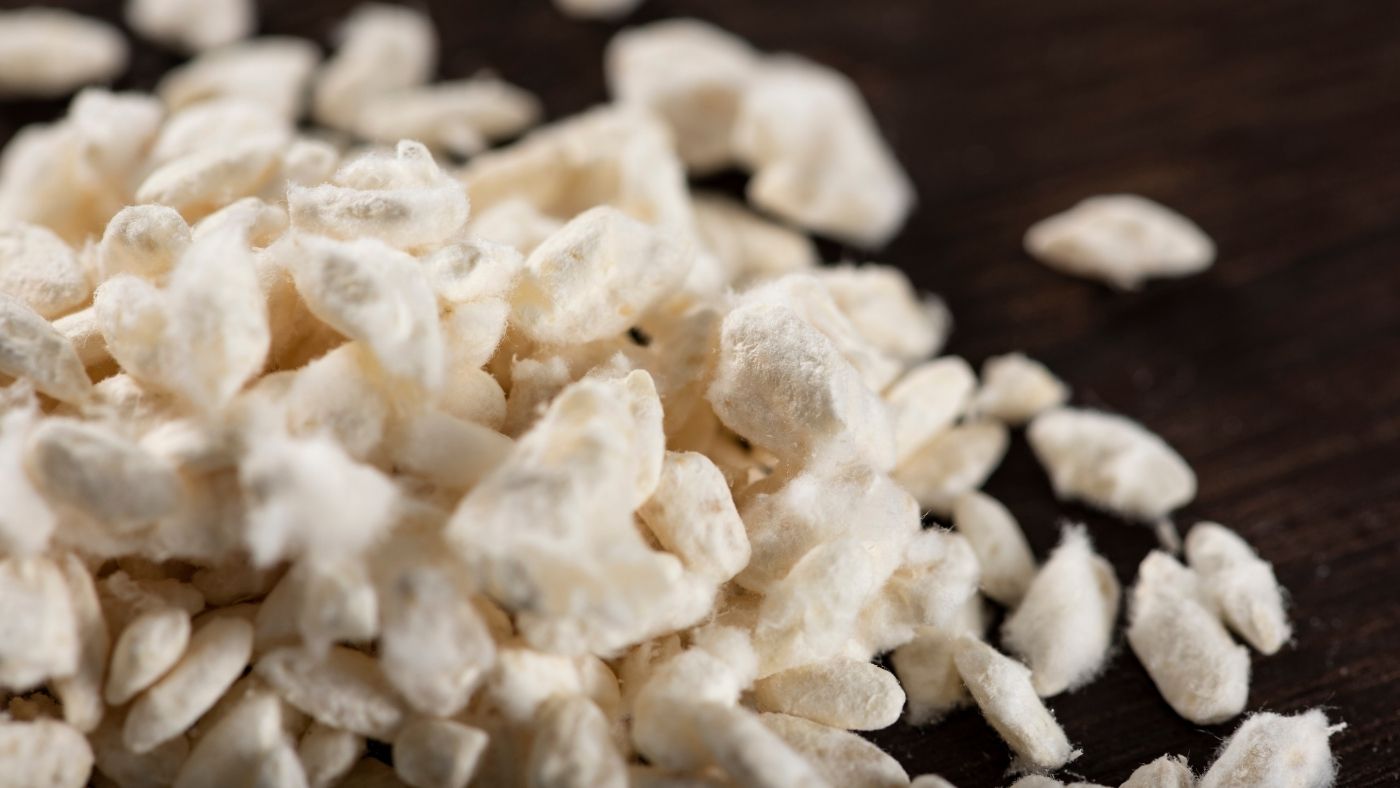
Want to grow koji at home? This comprehensive guide (followed by a koji rice recipe) will help you understand the basics of growing this fabulous “noble” mold.
Koji is used in the making of miso, soy sauce, amazake, and many other ferments.
This Japanese ingredient is currently a hit with chefs, adding a touch of umami and complex flavours to recipes.
It is very versatile and introduces a vast world of fermentations and flavours!
Although you can buy ready-to-use koji, you can also grow it at home. With the right environment, koji takes only 48 hours to ferment.
Are you ready to dive into the fabulous world of koji?
What Is Koji?
Koji is a fermentation made from grains or legumes (rice, soybean, etc.), using the microscopic fungus called Aspergillus oryzae.
| The term “Aspergillus” is derived from the Latin word “aspergillum,” which refers to an instrument used for sprinkling holy water. The genus was first described in 1729 by the botanist Antonio Micheli, who noted the resemblance of its spore-forming structure to this instrument. The earliest known use of the noun “Aspergillus” dates back to the 1840s, indicating its borrowing from Latin. The Aspergillus Website+3
|
| Aspergillus spp. mostly reproduce asexually and can be isolated from most foods and raw materials. Genus Aspergillus and its sexual states are one of the most widespread agents of spoilage in the world. Fungi from the Aspergillus are used for synthesizing various compounds in the biotechnological, food, and medical industry and can also be associated with plant, animal, and human infections. Source |
| oryzae Ory·za – ōˈrīzə
: a small genus (family Gramineae) of tropical cereal grasses having perfect flowers with six stamens
Oryza is a genus of plants in the grass family, Poaceae. It is most notably associated with its species Oryza sativa, commonly known as rice. Rice is one of the most widely consumed cereal grains in the world, serving as a staple food for a large portion of the global population. The word Oryza is derived from the Greek word “ὄρυζα” (óryza) and the Latin “oryza,” both of which directly translate to “rice.” The term indicates the entire genus that includes species like Oryza sativa (Asian rice) and Oryza glaberrima (African rice). source
|
| Safety Concerns related to Aspergillus Oryzae One of the main concerns with Aspergillus oryzae is its ability to produce mycotoxins, which are toxic compounds that can be harmful to humans. Mycotoxins are produced by a variety of fungi, including Aspergillus species, and can contaminate food and feed crops. In high concentrations, mycotoxins can cause a range of health problems, including liver damage, kidney problems, immune suppression, and even cancer.Another potential harmful effect of Aspergillus oryzae is its ability to cause allergic reactions in some individuals. Allergies to Aspergillus species, including Aspergillus oryzae, can manifest as respiratory symptoms, such as coughing, wheezing, and shortness of breath, as well as skin rashes and itching. These allergic reactions can be severe in some cases and may require medical treatment. Spacer |

spacer
You don’t eat koji as is. Instead, it is used as a basic ingredient in other ferments, such as shoyu (soy sauce), miso, sake, amazake, and other delicacies.
It is only recently that the culinary world has become fond of koji, using it for seasoning or to age foods by giving them an umami boost.
However, this noble mold was domesticated over 2000 years ago in Asia and is an essential part of the Japanese culinary culture.
Throughout the ages, it has been used to unlock the nutritional potential of legumes and grains.
Making Koji
To make koji, koji starter culture are seeded into a food source. Traditionally, rice or barley is used as a substrate for the spores.
Koji spores + grains + incubation = koji
| They try to make you believe it is that easy. After you read this post you will see that it is CLEARLY NOT. If you are not trained in the proper handling of the materials and the varies processes involved you ought to think twice before attempting to make your own. Not only do you need the proper environment, temperature, light, timing, etc.; but the making of these various fermented products are totally connected with the spirit realm. The original tribes NEVER make it without prayer and honor to their gods/spirits. |
If the conditions are right, the spores can develop and colonize the grains, forming a thick coat of mycelium.
Within a few hours, the rice is covered with a white film that has a floral and fruity smell. This is koji mould forming!

As the mould grows, it will create a large number of enzymes to help it digest the grains.
These enzymes are key to all koji-based fermentations. They are what can turn a simple soybean paste into delicious miso!
It is also these enzymes that will develop the amino acids that create the umami taste, the fifth flavour, meaning “savoury taste” in Japanese.
How to Use Koji?
Koji has traditionally been used to produce a wide range of Asian foods, but it is also now being rediscovered by many chefs to enhance the flavour of all kinds of foods.
Traditional Koji Uses
- Amazake: a thick drink made from rice (see our koji culture for amazake)
- Sake: an alcoholic drink made from amazake
- Miso: fermented soybean paste used for soups, marinades, etc. (see our koji culture for miso)
- Shoyu (soy sauce): a very common condiment used to season many dishes (see our koji culture for soy sauce)
- Shio koji: sauce used to season or marinate meats, vegetables, etc.

Revisited Koji Uses
- Fermented vegetables
- Tenderized and aged meats
- Vegan cheeses
- Garum and umami sauces: liquid condiments made from meat, seafood, or any other protein source
The world of koji is booming! Across the globe, innovative chefs are developing more and more recipes and techniques to use koji to its full potential.
Choosing the Right Koji Starter
There are several varieties of koji cultures, each producing different types of enzymes.
The two main types of enzymes produced are proteases (to digest proteins) and amylases (to digest carbohydrates). The proportions of these enzymes vary according to the strain.
One strain of koji can be used for different fermentations. If you use a koji culture for miso to make amazake, it will still work! However, you will get better results by choosing the right spores.
Koji Starters for Fermenting Proteins
To make protein-based fermentations (legumes, meat, etc.), you need a koji culture that produces a lot of proteases.
| The term protease is derived from the Greek words “prote” meaning “protein” and “-ase”, a suffix indicating an enzyme. Proteases are enzymes that catalyze the hydrolysis of peptide bonds in proteins, playing a crucial role in various biological processes such as digestion and protein catabolism. The term was first used in the early 19th century to describe enzymes that hydrolyze proteins, with the first protease discovered being pepsin. |
|
Proteases, also known as proteolytic enzymes, are a large group of enzymes necessary for several important processes in the body, including protein digestion, cellular function, and blood-clotting.1The body naturally produces proteases. You can also get them through food and dietary supplements. However, some protease supplements can cause digestive side effects. Pepsin, trypsin, and chymotrypsin are the main porteases. In addition to these, the body produces many other proteases to use for essential processes, such as digestion, immune function, protein recycling, and cellular function.1 Proteases are also found in certain foods, such as pineapple, and are used in baking and food production. Certain proteases, including the digestive enzymes trypsin and pepsin, can also be taken in supplement form.3 Graham DY, Ketwaroo GA, Money ME, Opekun AR. Enzyme therapy for functional bowel disease-like post-prandial distress. J Dig Dis. 2018;19(11):650-656. doi:10.1111/1751-2980.12655 , the body produces many other proteases to use for essential processes, such as digestion, immune function, protein recycling, and cellular function.1 Proteases are also found in certain foods, such as pineapple, and are used in baking and food production. Certain proteases, including the digestive enzymes trypsin and pepsin, can also be taken in supplement form.3 Proteases are required for several essential body functions. For example, without proteases like pepsin, your body wouldn’t be able to digest and absorb the protein found in foods.2 In addition to their role in protein digestion, proteases are necessary for life-sustaining processes such as blood clotting, inflammation regulation, wound healing, and cellular communication.4 Proteases are also required for apoptosis or programmed cellular death. Apoptosis rids the body of damaged cells, helping maintain homeostasis (a stable internal environment) and prevent cancer and many other health issues.5 Source |
spacer
During fermentation, the enzymes will transform the proteins into amino acids. Amino acids are responsible for the well-known umami taste in food. This is where the addictive and delicious taste of miso, shoyu, and garum comes from!
spacer
 |
|

For fermenting proteins:
⇒ Choose a koji starter for miso, or get a ready-made koji.
⇒ There are also specialized strains of koji for shoyu (soy sauce) where the mould can grow directly on the legumes.
Koji Starters for Fermenting Carbohydrates
To process carbohydrates (rice, barley, etc.), you need a koji culture that produces amylase enzymes. The long chains of starch and carbohydrates will be separated into simple sugars.
You will then be able to make amazake and sake.

spacer



spacer

spacer


spacer
Kagoshima no Tsubozukuri Kurozu
| Registration Number | 7 |
|---|---|
| Name of the GI | Kagoshima no Tsubozukuri Kurozu |
| Class | Processed Foodstuffs |
| Date of Protection | 2015/12/22 |
| Producing Area | Kagoshima Prefecture Fukuyama-cho and Hayato-cho, Kirishima City |
| Applicant – Name and Address | Kagoshima Traditional Jar Fermentation Vinegar Association 21-15 Uenosono-cho, Kagoshima City, Kagoshima Prefecture, 890-0052, JAPAN |


From the Edo period (1600 – 1868), vinegar made from rice as a raw material in Fukuyama Town, Kagoshima Prefecture, is brewed using an outdoor pot. As this vinegar goes through the aging process, it takes on the color of amber, so it is called Kagoshima no Tsubozukuri Kurozu (Kagoshima’s black pot vinegar, hereafter, black vinegar).
Its production method is unique in that fermentation is carried out by using outdoor jars, and after aging, its color changes from brown to black-brown. A characteristic aroma and mellow sourness are said to be developed in the course of this long-term aging. Compared to ordinary rice vinegar, black vinegar contains abundant pyroglutamic acid, so it has rich acidity, and because it also contains lactic acid, it has a refreshing sourness. It is thought that this is due to the fact that the amount of rice used is about 5 times as high, and the fermentation/aging period is long.
In the manufacturing process, high polishing rate rice (the starting material) is first washed, simmered, and cooled, then yellow Aspergillus seed koji is sprinkled on top to make rice koji for 3 to 4 days. After making steamed rice, the rice koji, steamed rice, and water are mixed in order in porcelain pots outside, and finally, special rice koji which produces large numbers of spores is sprinkled on top. After fermentation for at least 6 months or more from preparation and further aging for over 6 months, it is then ready. The three processes of saccharification, alcohol fermentation, and acetic acid fermentation proceed naturally in one container. It is a rare manufacturing process even from a global viewpoint.
Looking at the production site topographically, it faces the Kinko Bay on the shores of the Makinohara plateau in the northeast, characterized by a temperate climate without the north wind and with little frost in winter. The environment is ideal for the growth of microorganisms as it has a warm climate throughout the year, and a small difference between highest and lowest temperatures.
The pot used for preparation has a diameter of 40 cm, a height of 62 cm, and a capacity of 54 L. This shape has not changed since ancient times. The old pots that can still be seen today were fired in the Narashirogawa, one of the representative kilns of Satsuma-yaki (traditional pottery in the Kagoshima region). In the early 1800’s when the production of black vinegar started, this pot was fired as a daily food pot in Satsuma, which means there was a jar suitable for preparing and fermenting black vinegar close at hand.
CLIMATE AND GEOLOGY Best Suited for fermentation of Korozu
VERY SIMILAR FACTORS EXIST IN AND AROUND THE PROPERTY WHERE OBAMA’s CHEF WAS KILLED.
Here are some mountains and nearby areas in or near Turkeyland Cove, Edgartown, MA:
-
The area has a trail network that provides access to various natural features, including coves.
For more detailed information, you can explore the provided links. Edgartown Massachusetts US Topo Map

 spacer

spacer

 |
 |
spacer
THIS DETERMINATION IS AN OBAMANATION
Ever hear of “Sovereign Immunity”? Sovereign immunity, or crown immunity, is a legal doctrine whereby a sovereign or state cannot commit a legal wrong and is immune from civil suit or criminal prosecution, strictly speaking in modern texts in its own courts. State immunity is a similar, stronger doctrine, that applies to foreign courts. We all know that Barry Sortoro aks Barack Hussein Obama is not now … Click Here to Read More
OBUMA NEWS
When is Obama not in the News? For an X-President he sure refuses to relinquish the limelight. In my personal opinion he is the MOST EVIL Politician America has ever seen… and that is saying a LOT. We have had no shortage of evil politicians, heads of state, congressmen and women, Presidents, Vice Presidents, Secretary … Click Here to Read More
WHAT HAPPENED TO TAFARI?
Updates Added 8/25/23; MORE UPDATES ADDED 3/25/23 8 PM I don’t really like to mess with these stories because I know that it is just distraction. However, sometimes they must be brought to light. It is sad to know that just like Jon Bonet, and John Kennedy, the truth of this story will NEVER be … Click Here to Read More


spacer


spacer

Japan’s “Kurozu”: A Centuries-Old Vinegar Tradition from Kagoshima
The mention of mold normally evokes looks of disgust, but not so for Aspergillus oryzae. Also known as kōji-kin, this expert fermenter has since ancient times helped produce the likes of miso, sake, and soy sauce, all basic seasonings used in traditional Japanese cuisine. Recognizing its eminent role in Japanese gastronomy, the Brewing Society of Japan even declared kōji-kin Japan’s “national fungus” in 2006.
The celebrated mold is also a key component in brewing kurozu, an amber rice vinegar produced in Kagoshima Prefecture. For more than 200 years artisans in the town of Fukuyama, now part of the city of Kirishima, have crafted the mild-tasting vinegar by combining kōji-kin with rice and water in black ceramic jars and letting the mixture slowly ferment and mature under the sun.
spacer
|
art(n.)
|
spacer
A Time-Tested Process
Kurozu literally means “black vinegar,” a name derived from the dark tint of the liquid. The vinegar is famed for its flavor, a well-rounded acidic tang with a hint of sweetness, and is used to enhance the taste of dishes. Kurozu is also esteemed for its various health properties—Fukuyama locals claim that in early times, demand for the black ceramic jars of vinegar would skyrocket during outbreaks of illness.

The amber color darkens as the vinegar ages.
Vinegar is one of the oldest fermented foods known to humankind, but producing it at high quality and in large amounts is no simple matter. Crafting a batch of kurozu is a gradual process requiring patience and diligence on the part of the artisans. After an initial fermentation period, the mixture is allowed to mature for up to six months. Waste products are then skimmed off the surface and the vinegar is left to mature and mellow for an additional two or three years. During this time, the kurozu darkens to a coffee-like hue as its distinctive flavor profiles deepen.

After initial fermentation comes a period of three to six months of maturation in the jars. After this, waste products are skimmed
off the surface and the vinegar is allowed to age.
There is no kurozu factory in Fukuyama. Instead, visitors to this hillside village find expansive lots overlooking Kagoshima Bay that are packed with row upon row of black jars of kurozu aging in the sun.

Jars of kurozu stretch into the distance. The size and dark tint of the vessels, meant to maximize heat absorption and retention, have remained the same
for two centuries; they are even placed in rows stretching north to south to ensure they can all receive both morning and evening sunshine.
A Self-Contained System
Brewing rice vinegar is relatively straightforward. It first involves mixing and fermenting basic ingredients to create sake, after which special bacteria converts the alcohol into acetic acid, a primary component of vinegar.
While most commercial vinegars are produced under factory conditions with careful control of every aspect from the exact strains of mold used to the temperature from moment to moment, kurozu is handcrafted in the open using specially designed 60-centimeter tall ceramic jars. Nature is an essential element in the brewing process. The village enjoys plenty of sunshine and an average temperature of 18 to 19 degrees Celsius, warm enough to keep winter frost from being a serious problem. The surrounding hills also provide abundant fresh, clean water essential for making kurozu.
The brewing season gets underway in April. Artisans first add the raw materials—kōji-kin, followed by steamed rice, and then water—to the handcrafted ceramic jars. A final layer of kōji mold is carefully sprinkled on the surface of the mixture, and the containers are capped and sealed.

An artisan adds a final layer of kōji-kin to keep out any unwanted microbes that might disrupt the fermentation process.
Inside the jars, kōji-kin gets to work breaking down starch from the steamed rice into sugar, which yeast living on the inside walls of the vessel then converts into alcohol. After about a month, the jars give off a fine bubbling sound and pleasant aroma of sake. After around the third month, the surface layer of kōji-kin sinks to the bottom of the vessel and the unmistakable scent of vinegar can be detected, indicating that the transformation to kurozu is complete.

An artisan puts kōji-kin into ceramic jars, along with steamed rice and water. The fermenter is made by hand by spreading mold spores
on steamed riceband allowing it to sit for three days in a special temperature-controlled room.

From left to right: After a month, bubbles on the surface indicate that fermentation is in full swing. After three months, acetic acid fermentation progresses and the surface
layer of kōji-kin sinks to the bottom. By the fourth month, a thin layer of acetic acid bacteria forms; when it disappears, the initial fermentation process is finished.
Artisans check the jars daily to ensure that everything is progressing as it should. Going from container to container, they listen for sounds of fermentation, check the clarity of the liquid, and even taste and smell contents looking for minor differences in quality.
“The jars can house beneficial as well as harmful microbes,” explains one artisan. “If the good kind wins, then you end up with a great batch of vinegar.” Helping acetic acid bacteria transform sake into vinegar involves stirring the jars with bamboo poles to keep the mixture oxygenated. If it looks like harmful bacteria are getting the upper hand, artisans will quickly add mature vinegar in an attempt to turn the tide. Although demanding, the constant doting is necessary for crafting high-quality vinegar that can proudly be proclaimed as kurozu.
A final component in the brewing process is temperature. Microbes like kōji-kin and yeast require a warm environment to thrive, and the kurozu jars—called aman in the local Kagoshima dialect—have been carefully crafted to this end. Early artisans worked out the optimal size, shape, and color of the containers to keep contents at an ideal temperature. Two centuries on, the vessels continue to serve their purpose with aplomb.
Brewing vinegar by all-natural means is a laborious, time-consuming process. But as long as the sun shines on Fukuyama, you can be assured that artisans in the town will be crafting kurozu in the traditional fashion.

Dusk falls on Fukuyama as the volcano Sakurajima lazily breathes smoke into the skies above Kagoshima Bay.
(Originally published in Japanese. Text by Mutsuta Yukie. Photos by Ōhashi Hiroshi. Banner photo: Artisans in Fukuyama start on a new batch of kurozu.)
spacer


 s pac
s pac
spacer
Note the Flower of Life Logo I could not uncover why it was on this article. It may be the MAFF Organization or it may belong to the Company that makes the product, or it may be the website owner. I found it interesting enough to present you with information on the SYMBOL
 |
 |


When using downloaded images, please read the “Terms of Use” and clearly state that the source of the image is “Traditional Foods in Japan” by the Ministry of Agriculture, Forestry and Fisheries.
If the photo credits is stated, please include it as well.
Example of description of the photo credits

At-home recipes:Hot honey drink with Tsubozukuri black vinegar

Ingredients
How to make |

spacer
THE FLOWER OF LIFE
The Flower of Life is the modern name given to a geometrical figure composed of multiple evenly-spaced, overlapping circles, that are arranged so that they form a flower-like pattern with a sixfold symmetry like a hexagon. The center of each circle is on the circumference of six surrounding circles of the same diameter.
 The Flower of Life contains a total of 19 circles, which is often referred to in relation to the number 666 in some spiritual contexts. While the Flower of Life itself does not specifically contain 666, it is commonly associated with this number in discussions about sacred geometry and spiritual growth. OutofStress+2 The Flower of Life contains a total of 19 circles, which is often referred to in relation to the number 666 in some spiritual contexts. While the Flower of Life itself does not specifically contain 666, it is commonly associated with this number in discussions about sacred geometry and spiritual growth. OutofStress+2In the Flower of Life symbol, you can find six figures in the following ways:
I don’t think I have to count all the 666s I could get out of the Flower of Life. You can see by this image that they are definitely there. When you start drawing them in they all begin to run together. |
| What we call Modern Science, Math, Astronomy and Medicine were all the product of ALCHEMY, WITCHCRAFT and MAGIG.
From the shadowed sanctuaries of Egyptian temples to the vaulted laboratories of the Enlightenment, there burns a single flame: the flame of alchemy. Across continents, centuries, and cultures it has burned in revolutions of thought. Once scorned as superstition and sorcery, it is now openly celebrated as truth to those who are deceived. Alchemy is now understood as the foundations of modern science. Long before modern chemistry had its periodic table, before telescopes peered into the cosmos and microscopes revealed invisible worlds, the alchemist stood at the edge of mystery—part philosopher, part priest, part experimentalist—searching the elements for the lead that would turn to gold and the homunculus, while promising wealth, security, healing, and illumination. In its enigmatic symbols and guarded manuscripts we find the DNA of disciplines we now take for granted:
|
AT SIXES AND SEVENS!!
TAGS: Vaccinations, COVID Mandates, Medical Passports, Fines, Compliance, The Unvaxxed, Fourteenth Amendment, US Courts, Constitution, Cruise Lines, Challenges, Federal Register, Reconciliation Bill, CHAOS, Confusion, New World Order, Occult Numerology, Bankruptcy, Homeland Security, Microsoft, Governors The saying “at sixes and sevens” has been around for a long time. You don’t hear it much in this … Click Here to Read More
Do You Believe in Magick? Part 16 – Science is MAGICK/WITCHCRAFT

Originally Posted 1/30/16; Updated 8/2018 “(Magick’s) fundamental conception is identical with that of modern science; underlying the whole system is a faith…” Aleister Crowley Magick From Thelemapedia Belief in various magical practices has waxed and waned in European and Western history, under pressure from either organized monotheistic religions or from skepticism about the reality of magic, … Click Here to Read More
Science – The MagicK that will DESTROY Mankind
I apologize for the length of this post. The subject matter is vital to our immediate situation. I hope you can find the time to look over the entire post and digest it. These next four posts that I have been working on are all interrelated and all significantly related to what is happening in … Click Here to Read More

spacer
Flower of Life Chakras
 |
 |
 |
| crystal grid | LORD SHIVA THE DESTROYER | Geometric Symbolism |
spacer
|
An adapted form of the ancient symbol |

Flower of Life – Just like the Ouroboros, an ancient infinity symbol, the Flower of Life can be found almost everywhere. The Flower of Life belongs to sacred geometry which believes that all life is part of a divine, geometric plan. |


spacer.
Flower of Life – Symbolism + 6 Hidden Meanings (Sacred Geometry)

Next to the Seed of Life, the Flower of Life is one of the most powerful Sacred Geometry symbols. And just like the Seed of Life, it has many hidden meanings and secrets within its intricate design. In this article, let’s explore these hidden meanings and understand this beautiful and mysterious symbol from a deeper perspective.
What does the Flower of Life symbolize?
Similar to the Seed of Life, the Flower of Life represents creation, interconnectedness, unity, oneness, duality, the cycle of life, and the union of divine masculine and feminine energies.
Many believe that this powerful symbol contains within it the very blueprint of the universe. This symbol is also believed to contain the Akashic Records, a cosmic database of knowledge that reveals the secrets of all living things. Meditating upon this symbol is believed to expand your consciousness and give you access to this universal knowledge. DON’T DO IT – IT IS A TRAP!!!
Some even believe that the Flower of Life has the power to deflect negative energies and promote healing on a spiritual level.
Whether you are seeking spiritual guidance, artistic inspiration, or simply looking to expand your knowledge about the creation of the universe, the Flower of Life has the potential to lead you on a transformative journey of self-discovery and wonder. This is all PAGAN, EASTERN TEACHING. DO NOT FALL FOR THE LIES. JUST BECAUSE YOU THINK EVERYONE ELSE IS DOING IT, IS A STUPID JUSTIFICATION. There is a ONE TRUE CREATOR GOD and you can find all your answers in HIM!
Flower of Life – Historical Significance

Ancient Flower of Life carving – Hampi
The Flower of Life is an ancient symbol that has been discovered across numerous cultures in various places. From the Temple of Osiris in Abydos, Egypt, where the oldest known examples of the Flower of Life can be found, to the Palace of Ashurbanipal in Assyria, to the Forbidden City and various temples in China, and the ancient city of Preslav in Bulgaria, this symbol has been etched into some of the most historical and impressive structures of the (PAGAN) world.

Flower of Life – Temple of Osiris Source

Even today, the Flower of Life can be found in many spiritual places such as the Golden Temple in India, various temples in Japan, and Cordoba’s ‘la Mezquita Mosque’ in Spain. Here are just a few places where the Flower of Life has been found:
- Egypt – Temple of Osiris in Abydos, Temple of Karnak, and Luxor.
- Assyria – Palace of Ashurbanipal.
- China – Forbidden City in Beijing and the Yungang Grottoes in Shanxi province.
- Bulgaria – Ancient city of Preslav in Bulgaria, which was the capital of the First Bulgarian Empire from 893 to 972 AD. The symbol is depicted on a stone relief in the walls of the ruins of the royal palace.
- Israel – Ancient synagogues in Galilee and Masada. (BABYLOIAN RABBINICAL SYNAGOGUES)
- Japan – Various temples and shrines in Japan, particularly in the Shinto tradition.
- India -The Harmandir Sahib (Golden Temple) in Amritsar, the Buddhist temples in Ajanta, and the ruins of the ancient city of Hampi.
- Turkey – Ancient sites and buildings in the City of Ephesus.
- Italy – Several ancient buildings and works of art in Italy, including churches, cathedrals, and other religious structures dating back to the Middle Ages.
- Spain – Mezquita de Córdoba (Mosque-Cathedral of Córdoba).
- Middle East – Various ancient Islamic mosques.
Did you know that even Leonardo da Vinci was fascinated by the Flower of Life? He not only studied the complete Flower of Life design but also its various components, such as the Seed of Life. From these studies, he drew geometric figures such as platonic solids, spheres, tori, and more.

Interestingly, he even incorporated the golden ratio of phi into his artwork, which is derived from the Flower of Life design. This goes to show that the Flower of Life is not only a spiritually significant symbol but also a versatile and profound source of inspiration across various fields of study.
Creation of the Flower of Life
It’s fascinating to study the creation of the Flower of Life as it helps you understand the basis of creation of this universe! NOT!
The Flower of Life is built upon the Seed of Life pattern. The Seed of Life contains a total of 7 overlapping circles with one circle at the center and 6 circles surrounding it. The circle at the center represents Source, or Consciousness. And just what “source” do you think they are referring to? It isn’t the CREATOR!
The Flower of Life is created by adding 12 additional circles to the Seed of Life as shown in the image below. Hence the Flower of Life contains a total of 19 circles.

Flower of Life without outer circle
The Flower of Life is generally depicted as surrounded by two outer circles as shown in the image below.

Flower of Life with outer circles
The following image shows the entire development process of the Flower of Life starting from a single Circle to the 7-circled Seed of Life and finally, 19 circled Flower of Life. To know about this creation process in detail, you can read this article on the Seed of Life.

Symbols within the Flower of Life
The Flower of Life is the blueprint of the physical universe and contains within it as many as 15 symbols associated with creation and the world of form.
These symbols include the Vescia Piscis, Triquetra, Seed of Life, Fruit of Life, Metatron’s Cube, 5 Platonic Solids, Chakras, and the Labyrinth.
The following image illustrates all the symbols contained within the Flower of Life.

Symbols within the Flower of Life
spacer
Now you have seen how nearly every OCCULTIC DEMONIC SYMBOL is in the so-called FLOWER OF LIFE
spacer
spacer

spacer
What is the Vinegar Spiritual Meaning: Understanding Its Significance in Different Cultures
Vinegar has been a staple in households for centuries, known for its culinary uses and medicinal properties. However, vinegar also holds significant spiritual meaning across various cultures and religions. Understanding the symbolic meaning of vinegarcan provide insight into the spiritual world and can be used in spiritual practices.
Historically, vinegar has been used in religious ceremonies as a symbol of purification and cleansing. In Christianity, vinegar was offered to Jesus on the cross and is used in the sacrament of the Eucharist (Catholic ritual not Protestant). In Judaism, vinegar is used during Passover as a symbol of the bitterness of slavery.In Hinduism, vinegar is used in purification rituals to cleanse the body and soul.
Vinegar has been used for spiritual purposes for thousands of years.In ancient times, it was considered a powerful tool for purification and protection against evil spirits.In fact, the word “vinegar” comes from the French word “vin aigre,” which means “sour wine,”and it was believed that the sourness of vinegar could ward off evil spirits.
 In many cultures, vinegar was also used as a medicinal remedy. It was believed to have healing properties and was used to treat a variety of ailments, including digestive issues and skin conditions.
In the Christian tradition, vinegar plays a significant role in the story of the crucifixion of Jesus Christ. According to the Bible, Jesus was offered vinegar on a sponge while he was on the cross, and he drank it before he died. This event is often referred to as the “sour wine” or the “vinegar of the passion.”
In addition to its use in religious and spiritual contexts, vinegar has also been used in various cultural traditions as a symbol of hospitality. In some cultures, it is customary to offer guests a drink of vinegar as a sign of welcome and respect.
Overall, the historical context of vinegar in spirituality is rich and varied,spanning many different cultures and traditions. While its exact significance may vary depending on the context, it is clear that vinegar has played an important role in spiritual and cultural practices throughout history.
Symbolism of Vinegar
Vinegar has been used for centuries for various purposes, including cooking, cleaning, and medicinal purposes. However, vinegar also has a spiritual meaningand has been used in religious ceremonies and rituals. Here are some of the symbolic meanings of vinegar:
-
- Purification: Vinegar has been used for centuries as a natural cleaning agent. In the spiritual realm, vinegar is believed to have purifying properties that can cleanse negative energy and purify the soul.

- Sacrifice: In some religious traditions, vinegar is used as a symbol of sacrifice. It is believed that the sour taste of vinegar represents the bitterness of sacrifice and the willingness to endure pain and suffering for a greater good.
- Purification: Vinegar has been used for centuries as a natural cleaning agent. In the spiritual realm, vinegar is believed to have purifying properties that can cleanse negative energy and purify the soul.
-
- Humility: Vinegar is a humble ingredient that is often used to enhance the flavor of other foods. In the spiritual realm, vinegar is believed to represent humility and the willingness to serve others.
- Transformation:Vinegar has the power to transform other substances. For example, it can turn wine into vinegar or soften tough meat.In the spiritual realm, vinegar is believed to represent transformation and the ability to turn negative energy into positive energy.
- Rebellion: In some cultures, vinegar has been used as a symbol of rebellion. For example, during the American Civil War, Confederate soldiers would carry vinegar with them as a symbol of their rebellion against the Union.
In summary, vinegar has a rich spiritual meaning that has been recognized for centuries. Its symbolic meanings include purification, sacrifice, humility, transformation, and rebellion.
Vinegar in Different Religions
Vinegar in Christianity
In Christianity, vinegar is mentioned in the Bible several times. In the Old Testament, vinegar was used to describe the sour wine given to Jesus Christ during his crucifixion. In the New Testament, vinegar was used by Jesus Christ to quench his thirst while on the cross. Some Christians believe that vinegar represents the bitterness and sufferingthat Jesus Christ endured on the cross.
That shows you that the writer of this article does not know anything about the people of the book. Jesus’ crucifixion is not in the Old Testament.
Vinegar in Buddhism
In Buddhism, vinegar is not specifically mentioned in religious texts. However, vinegar is used in some Buddhist cultures as a condiment or flavoring for food. It is also used in some Buddhist rituals and ceremoniesas a cleansing agent.
Vinegar in Hinduism
In Hinduism, vinegar is not commonly used in religious rituals or ceremonies. However, some Hindus believe that vinegar has medicinal properties and use it to treat various ailments. Vinegar is also used in some Hindu cuisines as a souring agent.
| Religion | Vinegar Use |
|---|---|
| Christianity | Represents suffering and bitterness |
| Buddhism | Used in food and cleansing rituals |
| Hinduism | Used for medicinal purposes and as a souring agent |
Vinegar in Spiritual Rituals
Vinegar has been used in spiritual rituals for centuries. It is believed to have cleansing and purifying properties that can help remove negative energy and protect against evil spirits. Here are a few examples of how vinegar is used in spiritual rituals:
-
- In some African American hoodoo traditions, vinegar is used to cleanse the home of negative energy. It is believed that sprinkling vinegar around the perimeter of the home can help drive away evil spirits and protect the inhabitants.
- In some Native American traditions, vinegar is used in purification rituals.It is believed that drinking a small amount of vinegar mixed with water can help cleanse the body and mind of negative energy.
- In some Hindu traditions, vinegar is used in a ritual called “Aachamanam,”which involves sipping water mixed with vinegar to purify the body and mind before performing religious ceremonies.
- In some Wiccan traditions, vinegar is used in spells and rituals to banish negative energy and protect against evil spirits. It is believed that placing a bowl of vinegar in a room can help absorb negative energy and protect the inhabitants.
Overall, vinegar has a long history of use in spiritual rituals around the world.While its effectiveness in removing negative energy and protecting against evil spirits is up for debate, many people believe in its power and continue to use it in their spiritual practices.
Metaphysical Properties of Vinegar
Vinegar has been used for centuries as a natural remedy for various ailments. In addition to its physical benefits, vinegar also has metaphysical properties that can benefit the mind and spirit.
-
- Purification: Vinegar is known for its cleansing properties. It can be used to purify spaces, objects, and even the body. Adding a few drops of vinegar to bathwater can help remove negative energy and promote spiritual cleansing.
- Protection: Vinegar has been used in various cultures as a protective agent against evil spirits and negative energy. Sprinkling vinegar around the perimeter of a space can create a protective barrier.
- Healing: Vinegar has been used as a natural remedy for various physical ailments, such as sore throat, digestive issues, and skin conditions. It is believed that vinegar can also have healing properties for the mind and spirit.
- Amplification: Vinegar is believed to amplify the effects of other spiritual practices,such as meditation, prayer, and energy work. Adding a few drops of vinegar to a spiritual bath or diffuser can enhance the benefits of these practices.
 |
|
spacer
In conclusion, vinegar has a variety of metaphysical propertiesthat can benefit the mind and spirit. Whether used for purification, protection, healing, or amplification, vinegar can be a powerful tool in spiritual practices.
Conclusion
In conclusion, vinegar has been used for centuries for its medicinal properties and spiritual meanings.The spiritual meaningof vinegar varies depending on the culture and tradition.
In Christianity,vinegar symbolizes the bitterness of sin and the need for repentance. In Judaism, vinegar is used during the Passover Seder to represent the harshness of slavery in Egypt.In Chinese culture, vinegar represents the balance of yin and yang, and is often used in cooking to balance flavors.
Vinegar also has many practical uses, such as cleaning and preserving food. It is a versatile ingredient that can be used in many different ways.
Overall, vinegar has a rich history and many meanings, both spiritual and practical. It is a fascinating and useful substance that has stood the test of time.
spacer
Throughout this post we have heard them talk about cultural Ceremonies and traditional rituals in a manner that is designed to make your receive these ideas as normal, natural and even holy. But, the gods and spirits that are being honored, worshiped and appeased in these celebrations and rituals are actually pagan/demonic spirits These are the same spirits of Mythology who had Authority over all the Earth and to whom the people of the earth were enslaved. With the exception of the Hebrews, whom God chose for his purpose. These demonic entities are what CHRIST came to deliver us from. He offers everyone the gift of FREEDOM from bondage to sin and death and demonic spirits. Those spirits are returning with a vengeance. You do not want to be subjected to their plans for the human race.
spacer
In this next section I will show you a little about the spiritual life in THAILAND. However if you click the title link below you will be taken to a webpage where you can choose any Asian country and learn about their SPIRITS.
The Spirit World of Thailand: Ancient Rituals and Ceremonies
Thailand’s rich tapestry of culture is intricately woven with ancient myths and legends,shaping its rituals and ceremonies.The belief in a vibrant spirit world,interwoven with the human realm, permeates Thai society, influencing daily life, major events, and every aspect of existence.To understand the heart of Thailand, one must step into this mystical world of spirits, deities, and the profound connection to the unseen.
The Cosmic Dance: A Journey Through Thai Creation Myths
Thai mythology, like many other cultures, begins with a tale of creation.The universe, according to these ancient beliefs, arose from the cosmic dance of Brahma,the creator god. Brahma, through his divine acts, brought forth the elements, the natural world, and ultimately, humankind.In this creation myth, the world is viewed as a living organism, where every element, from the smallest insect to the tallest tree, plays a vital role.This interconnectedness underpins many Thai beliefs and influences their approach to rituals and ceremonies.
Spirits, Deities, and the Realm of the Supernatural
The Thai spiritual world is a vibrant and diverse landscape,populated by a vast pantheon of deities and spirits. These entities reside in various realms, ranging from the sacred mountains to the depths of the forest, and even within the human world itself.Among the most prominent deities are Brahma, Vishnu, and Shiva, the Hindu trinity,whose influence is deeply woven into Thai culture. However, alongside these major gods are numerous local deities,each with their unique powers and domains.These include the guardian spirits of temples, houses, and villages, as well as spirits associated with natural elements like water, trees, and mountains.
- Phii Prai:Spirits of people who have died violently or prematurely.
- Phii Klook:Spirits associated with places and objects, often benevolent but sometimes mischievous.
- Phii Tai:Spirits of ancestors.
- Phii Nang Mai:Forest spirits,often associated with trees.
- Phii Baan:House spirits,believed to protect the home.
The Importance of Ritual in Thai Culture
Rituals are crucial to maintaining harmony between the human world and the supernatural realmin Thai culture. They offer protection, seek blessings from deities and spirits, and ensure a smooth journey through life’s transitions. So, they appease any number of lesser demons in the hope of securing blessings from higher ones to whom they are also subjected, make offerings, perform rituals and sacrifices.
Rituals play a pivotal role in Thai society,serving as bridgesbetween the human and the supernatural realms.These ceremonies, often infused with intricate symbols and gestures,are believed to appease spirits, secure their blessings, and ensure harmony in the world.Some rituals focus on seeking protection against misfortune or illness, while others aim to ensure good harvests, prosperity, and a smooth journey through life’s transitions. Through these symbolic actions, Thais demonstrate their respect for the unseen world and seek to maintain balance and well-being in their lives.
Ceremonies of Life and Death: From Birth to Rebirth
Life in Thailand is punctuated by significant ceremonies marking key milestones.Birth, a momentous occasion, is celebrated with rituals to welcome the newborninto the world and ensure their well-being. Coming-of-age ceremonies, often marked by elaborate rituals, signify the transition into adulthood and responsibilities. Marriage, a union celebrated with joy and tradition, involves seeking blessings from ancestors and deities for a harmonious and fulfilling life together. And finally, death, while a somber occasion, is viewed as a transition into the afterlife, with rituals centered around honoring the deceased, guiding their spirits on their journey, and ensuring their peaceful passage.
The Role of Temples and Monasteries in Ritual Practice
Temples and monasteries are not merely places of worship in Thai culture; they are the epicenters of spiritual life, vibrant hubs of ritual practice, and vital connections to the unseen world.These sacred spaces are often built on sites believed to be imbued with spiritual energy,further strengthening their connection to the realm of spirits and deities.Within these hallowed grounds, monks and nuns lead a life dedicated to spiritual practice,serving as intermediaries between the human world and the supernatural realm.They are entrusted with the knowledge and rituals necessary to appease spirits,secure blessings, and guide individuals through life’s transitions. Temples and monasteries are also the locations for many important rituals, from daily offerings to elaborate ceremonies celebrating life’s important events. The presence of these sacred spaces shapes the landscape of Thai society,reminding people of the continuous presence of the spirit world. They are not talking about so-called “Christian” monks and nuns. Which really are not. They are Roman Catholic, but that is another post. Here they are talking about BUDDHIST Monks and Nuns.
The Power of Offerings: Connecting to the Divine
Offerings are a cornerstone of Thai rituals,serving as a vital link between the human world and the supernatural realm.These gifts, presented with reverence and sincerity, are believed to appease deities and spirits, securing their blessings for good fortune, health, and protection. The types of offerings vary, reflecting the nature of the deity or spirit being honored.Food offerings, such as fruit, flowers, and prepared dishes, are common, symbolizing nourishment and good wishes.Incense, with its fragrant smoke reaching towards the heavens, symbolizes purification and reverence.Candles, their flames flickering with life, represent enlightenment and the dispelling of darkness. These symbolic offerings serve a dual purpose: to show respect for the unseen world and to establish a connection with the divine.Through these acts of generosity, individuals seek to cultivate a harmonious relationship with the spirits and deities who influence their lives.
Traditional Thai Festivals: Celebrating the Sacred
Thai festivals are more than just celebrations;they are deeply rooted in mythology and offer a unique glimpse into the interconnectedness of the human world and the supernatural realm. Festivals like Songkran, the Thai New Year, are infused with ancient beliefs about water, purification, and renewal. The joyful splashing of water symbolizes cleansing and the washing away of misfortune, while the ritual bathing of Buddha images signifies respect and the seeking of blessings.Loy Krathong, the festival of lights, is a celebration of gratitude to the goddess of water, Phra Mae Khongkha, with the floating of krathongs (small boats adorned with flowers, candles, and incense) symbolizing the letting go of past burdens and the seeking of good fortune. And finally, Phi Ta Khon, the “Ghost Festival,” is a vibrant and colorful celebration of spirits, with participants donning elaborate masks and costumes, dancing and parading through the streets, embodying the playful and sometimes mischievous nature of the unseen world. These festivals, deeply woven into the fabric of Thai culture, offer a tangible link to the ancient beliefs and traditions that shape the nation’s spirit.
spacer
Black Magic Spells And Rituals In Thailand

Thailand is a beautiful country that many visit for peace and serenity. Buddhism is practiced as a religion in Thailand and surrounding countries like Cambodia. But what most are unaware of is that black magic prevails in most parts of this beautiful country.
You would be shocked to read that many rituals, beliefs, and black magic spells have existed in this country since its formation in the early years.The first concept that you can realize about the beliefs that people of Thailand have is the existence of Pret, or what we term ghost. Most of this belief is shared with other bordering countries or Buddhist mythology. Below is a list of the legends that are believed to be ghosts found in and around Thailand.
- To see the long list of these spirits;- visit the website.
The practice of black magic in Thailand revolves around these ghosts or spirits or souls, and spell casters will enchant black magic spells to lure these spirits, capture them, or please them to help the person in need.It is also assumed that the spell caster and the owner must keep them pleased for their help towards the person.
One such theory of pleasing spirits for their help is used when someone wants to own a Kuman thong. It is believed that the owner who possesses Kuman thong will have luck and fortune and will never be defeated by their enemies. To own a spirit, known as kuman thong, rituals are performed. This requires the developing fetus from the mother’s womb, and it is observed that the spirit from the fetus is then captured in a wooden or clay statueand kept in a secure place with the owner of a Kuman thong.
Creating Kuman Thong Through Ancient Thai Rituals
Once the fetus is removed, the child’s body is taken to a cemetery, where rituals are performed, and the body is roasted.The statue was created to capture Kuman Thong,also known as the Hong Pray.The practice of making Kuman Thong statues is mainly practiced in Siam (THAILAND).
According to some ancient Thai documents and scriptures, the actual method of acquiring a Kuman thong starts when a baby dies in its mother’s womb. After that, the baby is removed from the womb, painted with a coat of Ya Lak, covered with gold leaves or petals, and then roasted until completely dry. This ritual should be performed in a cemetery and should finish before dawn.
Since this was the actual method of obtaining the spirit, it was named KUMAN THONG, meaning golden baby or golden boy, as KUMAN in Thai means baby boy and THONG means gold. This spirit also gives us an overview of the legend of Khun Chang Khun Phaen, who first made KUMAN THONG by removing his unborn baby from his wife’s womb so that the spirit of his unborn can help him succeed over his enemies.
Thailand is also famous for its black magic,used in amulets or statues.Black magic spells are performed to stimulate these spiritual powers and then relocate these powers in various matters like diagrams (mainly geometrical shapes)on clothes or even on the body as a form of tattoos.The objects in which these powers are stored are often called the YAN.
The YAN is used for different purposes by the owners of those mystical powers, like protection, luck, or money. At times, the Yan is even inserted under the skin.In Thailand, ghosts and black magic are so familiar that markets sell black magic and spiritual items. One of the oldest markets can be found in Yogyakarta’s Beringharjo market.
Penangal Balak and Mae Nak Thailand’s Protective Spells and Charms
Black magic in Thailand is also used to block bad spirits.Since people in Thailand believe so much in spirits and ghosts, they use black magic spells and cast rituals to ensure that evil spirits are away from them. One such spell used is Penangal Balak, which is used to block harmful spells cast on someone or stop evil spirits from causing harm.
The use of different types of oil is also linked to black magic in Thailand since oil is considered not only for healing and cure but also for fighting the bad aspects of black magic.Another interesting concept related to black magic in Thailand is the “black magic woman.”
Black magic woman, or what is known as the MAE NAK, can be found in Wat Mahabhut, where the tabernacle houses the body or statue of the black magic woman or Mae Nak.People of Thailand who have problems in their marital lives or have sex-related problems visit this placeand offer presents to get their blessings. Mae Nak is also considered to bless people in love and stay with each other only for their lifetime.
Black magic in Thailand ends with spirits, ghosts, souls, or talismans and extends to the use and practice of voodooknown as Barang. Though they are considered illegal but still practiced by many black magic spell casters.Another form of magic performed in Isan, the northeast part of Thailand, is YA SANG.Ya Sang is an old concept of black magic where poisonous plants exist,triggering abdominal disorders, bodily pain, intoxication, and even bringing death to the victim.
spacer
ByTassanee Vejpongsa
Warning: graphic descriptions.
 Bangkok: Police in north-eastern Thailand have arrested a forest-dwelling self-proclaimed holy man whose followers allegedly worshipped corpses and consumed bodily fluids as a cure for sickness, officials said on Monday.
There were chaotic scenes as officers raided the thatched house of 75-year-old Thawee Nanra on Sunday deep in a jungle in Chaiyaphum province. Supporters screamed and jostled with police as the bearded, shirtless, white-haired man was led to a police vehicle.
Police said they found 11 corpses on the premises of Thawee Nanra’s compound and local media said they were believed to be the bodies of his followers.
Devotees reportedly told authorities that the leader’s urine and phlegm were believed to be cures for diseases.
Kraisorn said he was shocked to discover such practices still went on in the modern age.
“It’s quite disturbing to see that there are people who believe in such superstition. But this is not only about a personal belief any more,” he said by phone.
 “We have dead bodies, and we will have to work with all agencies to establish facts surrounding these individuals.”
Thailand’s population is overwhelming Buddhist,but many people hold beliefs outside the religion, such as the worship of local spirits and fear of ghosts. Cult-like groups aren’t uncommon, Thai Enquirer reported.
The authorities believe the group existed for more than four years without anyone noticing because the location of the leader’s house was in a remote forest area, away from other communities.
But their anonymity ended after a daughter of one of the followers complained to a social media celebrity whose specialty is exposing unscrupulous religious figures.
Thawee was initially charged with encroaching on a forest area – his house was said to be on public land – and illegal gatherings prohibited under disease control laws that have been used in the past two years to battle the coronavirus.
Police say they are looking into other charges, including unlawful disposal of bodies.
Last year an elderly monk decapitated himself with a device his followers helped build. The monk was trying to cause himself to be reincarnated as a higher being, Thai Enquirer reported.
A separate Thai cult in 2019 was investigated after female students said they had been coerced into sex or raped by the group’s leader.
A police investigation into a suspected cult in Thailand took a shocking turn when authorities discovered 12 mummified bodies allegedly used in black magic rituals.
Officers raided an encampment on Wednesday after reports surfaced that devotees were “meditating with corpses to acquire powers.”
The raid took place at a monastic center in the Chanu Woralak Buri District of Kamphaeng Phet Province, where practitioners claimed that the bodies—one of which was a child’s—conferred supernatural abilities upon followers.
 |
|
A dog sits next to Buddhist monks at a temple in Bangkok, Thailand, on May 23, 2014. Photo by AFP |
Some graves were reportedly lined with banana leaves and salt to preserve the bodies for alleged use in cult rituals.
Phra Pramote, the monastery’s abbot, stated that the corpses were voluntarily donated by their relatives to be used in meditation classes for his followers, Thai PBS World reported.
Former participants of these classes claimed they had developed supernatural abilities, such as enhanced hearing and vision, after attending. The abbot also announced that he had suspended the meditation classes.
Police revealed that all but two of the corpses lacked death certificates, although letters of consent from the relatives were provided.
Forensic officers have collected DNA samples from the corpses to confirm their identities.
Authorities noted that the abbot could face a fine of up to 3,000 baht (US$87) for using the monastery as a burial site without proper authorization.
spacer

Thai police conduct an investigation at Wat Pa Sriwilai temple in Phichit (Photo credit: Thairath)
The bodies are allegedly linked to a monk-led cult accused of improperly handling donated cadavers.
The most recent discovery occurred on 26 November, when 32 bodies were found at Wat Pa Sriwilai in Phichit’s Bang Mun Nak district. Earlier investigations revealed 41 bodies at Nakorn Chai Boworn Forest Monastery Centre in Pho Thale district and 12 bodies at a monastic center in Kamphaeng Phet’s Khanu Woralaksaburi district on 20 November.
Authorities initiated inspections following a 17 November social media post alleging that cadavers were being used at one monastic center to train disciples in meditation and psychic development by “scanning” the bodies.
All mentioned sites are linked to monk Phra Acharn Fon, who claimed the bodies were donated by disciples, their relatives, or parents, and presented death certificates and donation documents to support his claim. He said the cadavers were used to teach meditation and mindfulness practices.
The temple now faces charges under the Graveyard and Crematorium Act for improper handling and storage of bodies. DNA testing is underway to identify the deceased, with plans to notify relatives for proper burial or cremation.
The revelations have sparked public concern over cult-like practices in some Buddhist temples, leading Thailand’s Buddhism Office to launch further investigations. The case raises broader questions about the regulation of monastic centers and the ethical handling of donated cadavers.
 |
 |
 |
 |
spacer
✝️ Crucified Man Found in Quarry (Ruled Suicide)
In 2011, a man was discovered crucified in a South Korean quarry. Police ruled it a suicide.
Now, imagine stumbling across DIY Calvary cosplay in real life


SEOUL, South Korea — A South Korean taxi driver found dead with his body nailed to a cross in an apparent re-creation of the crucifixion of Jesus Christ probably carried out the ordeal on his own as a suicide, police Wednesday.
The 58-year-old man was wearing only underwear and a crown of thorns, his hands and feet nailed to the cross, a stab wound on his abdomen and nylon strings tied around his neck when he was found May 1 — one week after Easter — in an abandoned stone quarry in the country’s south.
After days of investigation, police said they believe the man, surnamed Kim, committed suicide without any assistance.
Kim is believed to have nailed his feet to the cross, tied his neck to it and stabbed himself in the side. He is then believed to have drilled holes in his hands and slipped them over nails on the cross, (did they find a drill on the ground around him?) Gyeongbuk Provincial Police Agency officers said, describing the death under condition of anonymity because they weren’t authorized to speak to the press.
Officials re-enacted some elements of the crucifixion and concluded that an adult male could perform the act on his own, the agency said. Guys love to play Myth-Busters. But the MythBusters are wrong a lot of the time. They just love to blow things up.
Police said they found the man’s notes planning the crucifixion. Before his apparent suicide, Kim closed his bank account and canceled his mobile phone contract in apparent preparation to end his life, police said.
An autopsy on his body showed the man died of bleeding from the stab wound and suffocation, police said. Officers reached by The Associated Press said they had no information on when exactly the man put himself on the cross and how long he might have been there before dying.
Popular representations of the death of Jesus Christ depict him crucified between the crosses of two thieves, wearing a crown of thorns, a white cloth over his loins, with a wound on his side from a Roman soldier’s spear.
spacer