UPDATE ADDED 8/13/25
I am appalled and heartbroken at the number of people who still don’t acknowledge that Weather Manipulation, Geo-Engineering, Climate Control exist. There is SO MUCH evidence. It is laughable that the Mainstream Media and Mainstream “Scientists” continue to deny and “debunk” the truth that is available for anyone with eyes to see. It is my goal to include all the evenidence you need in this one post. So no one has to go search it out. However, I IMPLORE you to research it for yourselves, after you view this entire post.
Now one is going to be convinced until it becomes real to them. The best way to do that is to RESEARCH. Just like the Bible. You can hear the scriptures, you can hear testimonies of people’s experiences with GOD. BUT, until you get into the WORD/Bible and study it with the intent in your heart to find the TRUTH… they are just words. UNTIL GOD makes them REAL to YOU personally.
STUDY TO SHOW YOURSELF APPROVED. There is a lot of BS you have to dig through. YOU have to discern for yourself what is REAL and what is DECEPTION. Really look at all the evidence presented here. LET THIS POST BE YOUR JUMPING OFF POINT. DIG DEEP!
From 1946 to today, the powers-that-be denied that Weather Manipulation, Geo-Engineering, Climate Control exist. The public believes their rhetoric and attack TRUTHERS calling us fear mongers and “Conspiracy Theorists”. They call us crazy and act as if we have no place in society. Well, the truth is out in the open now. So many people, organizations and nations are using these methods to bend the weather in their favor.
People cant even wrap their head around CHEMTRAILS with the evidence right before their eyes. Anyone who is not ready to acknowledge Chemtarils is certainly not prepared to deal with the far greater toxic, dangerous and evil things that they are doing today. IGNORANCE IS NOT BLISS! I understand it is scary and sickening to deal with the truth…but the consequences of IGNORING the truth far outweigh the discomfort of KNOWING.
For those of you who still don’t want to believe, the following information leaves NO ROOM for doubt. The evidence is very clear. As always, I have compiled documents, news stories, and research papers that support the truth that Weather Manipulation, Geo-Engineering and CLIMATE CONTROL do indeed exist, have existed for decades and are being employed around the world.
If you follow my posts than you should know by now that modern “SCIENCE” is nothing more then Magick/Witchcraft. You should also be aware that there is NOTING NEW UNDER THE SUN. What is has already been. History does indeed repeat itself. Sadly, most people have no idea what has happened in our past, because the truth of history is hidden/occulted from us. Those who do not study history are doomed to repeat it.
UPDATE: VIDEO ADDED 8/13/25
SPACER
Yuval Noah Harari – Science is about power not the truth
GEO WINTER – GATES IS BEHIND MORE THAN VACCINES
RESTORED 3/2/21 In his deranged mind Bill Gates fancies himself to be all those things and more. A reprobate mind is not able to discern truth and has no moral compass. He sees himself as the very clever and successful genius out to save the WORLD. Actually he is a Elitist Eugenicist who cares not one … Click Here to Read More

END OF UPDATE
spacer

- Carolina Escobar-Vargas


Let me first pose a simple question: Did people in the Middle Ages believe that the weather could be controlled through magic? As with anything involving magic and its definitions, the answer is not straightforward. Attitudes towards the possibility of magically
 manipulating the weather varied widely in the medieval period, ranging from acceptance to disbelief and outright condemnation. These attitudes shifted in response to changing social structures and evolving systems of belief, which influenced the context within which texts and events were interpreted. When discussing the central question, it is essential to highlight that the idea of weather manipulation through magic is closely tied to the concept of demons and their ability to alter the weather at will, given their unique physical nature. If it was deemed theologically possible for demons to control the weather, then the question moves on to humans and their relationship with demons. Could humans manipulate or propitiate demons to alter the weather? Were purported magicians simply deceived by demons into believing they could control the weather, or were they being instrumentalized by demons themselves? These questions will be explored in this article.
During the Middle Ages. In his influential work, The Etymologies, Isidore, the seventh century bishop of Seville, devotes an entire chapter to describing various magical practices and practitioners from classical authorities.1 Although Isidore does not include weather magic in his typology, he does mention that magicians, commonly referred to as maleficus by the general public due to the severity of their crimes, can “agitate the elements, disturb the minds of people, and slay without any drinking of poison, using the violence of spells alone.”2 Isidore’s use of the term concutiunt, which means to shake, agitate violently, and shatter in association with elementa, leaves the possibility of weather manipulation
I would have included the full article, but as with most information, it is contolled. You have to be a student, under the influence of the controllers to access the full article.
spacer
 Performing Magic in the Pre-Modern North
First Online:
Part of the book series: Palgrave Historical Studies in Witchcraft and Magic ((PHSWM))
Abstract
In the last two decades, Old Norse studies have witnessed a surge in academic research focusing on magic in the Norse Middle Ages. Weather manipulation, a prevalent magical motif in Old Norse literature, is found across various genres of Old Norse literature. By the thirteenth century, Literary Norse magic practitioners displayed a recurring ability to control abnormal weather on land and at sea. The abundance of weather-magic instances in Old Norse literature and poetry presents a unique opportunity for scholarly analysis. This chapter aims to shed light on the different ways weather magic performances were portrayed in medieval Scandinavia from approximately 800 to 1555 AD.
Ancient Meteorology is a broad discipline that includes the study of weather, earthquakes, and comets in classical antiquity. It discusses Greek and Roman approaches and attitudes to this discipline. Paleoclimatology is the scientific study of climates predating the invention of meteorological instruments, when no direct measurement data were available. Routledge+1
The art of weather forecasting began with early civilizations using reoccurring astronomical and meteorological events to help them monitor seasonal changes in the weather. Around 650 B.C., the Babylonians tried to predict short-term weather changes based on the appearance of clouds and optical phenomena such as haloes. By 300 B.C., Chinese astronomers had developed a calendar that divided the year into 24 festivals, each festival associated with a different type of weather.
Around 340 B.C., the Greek philosopher Aristotle wrote Meteorologica, a philosophical treatise that included theories about the formation of rain, clouds, hail, wind, thunder, lightning, and hurricanes. In addition, topics such as astronomy, geography, and chemistry were also addressed. Aristotle made some remarkably acute observations concerning the weather, along with some significant errors, and his four-volume text was considered by many to be the authority on weather theory for almost 2000 years. Source
Ancient weather myths were replete with evil or benevolent gods, monsters, and spirits controlling the elements.

SPACER
Referring to a person who studies and predicts weather patterns and phenomena. Someone who specializes in analyzing and forecasting weather conditions and provides information and advice on weather-related issues.
weatherologists do study space weather. They analyze the effects of solar activity on Earth, including the solar wind and solar flares, which can impact the atmosphere, ionosphere, and magnetic fields. Researchers in this field study fluctuations on the Sun’s surface and in its atmosphere to understand how space weather affects Earth and other celestial bodies. NOAA / NWS Space Weather Prediction Center+2
SPACER
Referring to a person who studies and predicts atmospheric phenomena and weather patterns. Someone who specializes in analyzing and forecasting weather conditions and provides information and advice on weather-related issues.
A meteorologist is a scientist who studies and works in the field of meteorology, focusing on understanding and predicting Earth’s atmospheric phenomena, including the weather. They specialize in analyzing weather patterns and atmospheric conditions using various tools and technologies. Meteorologists observe the measurements and motion of the atmosphere to make weather predictions. Wikipedia+3
Meteorologists do study space weather, but they typically focus on the atmosphere’s interactions with Earth rather than space weather directly. While meteorologists analyze weather phenomena and their effects on the Earth, space meteorologists specifically study space weather, which can impact Earth’s climate and weather systems. This distinction is important as meteorologists may not focus on the physical state of space itself, unlike space meteorologists who monitor and analyze space weather events. Pennsylvania State University+2
SPACER
A space meteorologist is a scientist who studies and analyzes space weather phenomena. They research and forecast space weather, which can impact Earth’s climate and weather. Unlike traditional meteorologists, space meteorologists focus on the effects of space weather on Earth, including its impact on communications systems and satellite operations. vault.com
SPACER

This is a guest blog post by Dr Anne E. Lawrence- Mathers, Reading University who holds an AHRC fellowship on ‘Medieval Meteorology in Context’ as part of the Science in Culture Theme.
My Fellowship, ‘Medieval Meteorology in Context’, was conceived as a case-study of weather forecasting in medieval England. However, I have constantly found myself thinking of it as a mission to prove that meteorology really did exist in the middle ages. This is partly because there is at present no history of medieval meteorology (well, not that we can access), and also because of the entrenched belief that medieval religion and anything approximating to ‘real science’ were mutually exclusive. Even amongst medievalists, meteorology has received little attention, largely because it was not considered to be a separate area of knowledge by medieval scholars themselves. Instead, meteorological knowledge was divided between astronomy, geography, natural philosophy, mathematics, medicine and theology. The area of expertise which brought all these together was computus, the highly technical field of calculating the Church’s luni-solar calendar.
 My project therefore began with the fundamental computistical work of Bede who, like his readers, was very clear that the earth was spherical, and that its surface was divided into climatic zones determined by the annual orbit of the sun around the earth. Each was also perceived as affected by the currents of air and water driven by the sun, the moon and variations in temperature. It will already be clear that the basic model of climate was considerably more complex than is often assumed. What made actual weather forecasting extremely hard in the early middle ages was the difficulty in making accurate calculations of the positions of the sun, the moon, and the other five planets which were believed to affect meteorological conditions. The great Alexandrian astronomer/astrologer, Ptolemy, had produced mathematical models of the planetary orbits, but these were available only in Greek and Arabic, and scholars in northern Europe had access only to shortened and simplified forms. This is the context for the texts known as ‘prognostics’, which offer various methods for making weather-related predictions. They have been treated as a form of magic rather than as attempts to make scientific judgements about the weather, but I believe they were very serious. Many of them are preserved in manuscripts made by or for prestigious individuals and institutions, where they are copied side by side with prayers and religious services. Rather than seeing this as evidence of the superstitious nature of medieval religion, I would argue that understanding the weather was part of understanding the complex interactions between humans and the rest of God’s Creation. This made it a highly serious area of expertise which the Church provided for secular society.
Looking at manuscripts from the 11th and 12th centuries brings home how quickly northern European scholars seized upon newly-translated texts in all the relevant fields as they became available. Often, only extracts and useful tools for making calculations were copied – which makes these books something of a challenge to editors and readers! What I have found fascinating is that the debate which emerges from the manuscripts I have been studying is not something as crude as a fight between religion and science or between the Christian Church and other faiths. Instead it hinges on the key questions of how the earth’s climate actually works, whether variations are predictable, and how responsible humans are for meteorological events.
What is taking shape out of what I have been reading is a compelling ‘conversation’ between different areas of expertise. Nor was this a purely academic issue. Weather forecasting had just as many agricultural, economic, military and political implications as it still does; and powerful people treated those who could make such forecasts very seriously. Since the Bible made it absolutely clear that God uses meteorological events to send messages to humans, there was the ongoing problem of when a flood, a drought, a thunderstorm or a rainbow was simply ‘weather’ and when it was a sign from God. Experts on natural philosophy constantly debated the causes of all such phenomena, just as interpreters of the biblical book of Genesis worked to determine the implications of its revelations. The arrival of new tools and technologies, including planetary tables, Hindu-Arabic numerals and the astrolabe, greatly increased the sophistication with which weather forecasts could be made – but it could not answer these great theological and ethical questions.
In July, it was possible to debate such questions with an interdisciplinary group of experts in a one-day Symposium on ‘Medieval Meteorology, Science and Divination’. An account of proceedings, in live-blog format, is given on the GCMS’ facebook page: https://www.facebook.com/pages/Graduate-Centre-for-Medieval-Studies-University-of-Reading/392238710870369 .
spacer
The Butterfly Effect was coined by a WEATHER SCIENTIST. You would think that today’s weather scientists would consider more strongly the effects of ANY Tampering with the weather. Unless they are seeking to create CHAOS… hmmm…
spacer
The butterfly effect is a concept in chaos theory that describes how small changes in initial conditions can lead to vastly different outcomes in complex systems.
 Definition and Origin
 Definition and Origin
The butterfly effect refers to the idea that a minor event, such as a butterfly flapping its wings, can set off a chain of events leading to significant consequences, such as a tornado occurring weeks later in a different location. This concept was popularized by meteorologist Edward Lorenz in the early 1960s while he was studying weather patterns. He discovered that small variations in initial conditions could lead to dramatically different weather outcomes, demonstrating the sensitive dependence on initial conditions inherent in chaotic systems. Wikipedia+1
Historical Context
Lorenz’s exploration of the butterfly effect began when he rounded a value in a weather simulation, which resulted in a completely different weather forecast. This led him to present his findings at a conference in 1972, where he famously posed the question, “Does the flap of a butterfly’s wings in Brazil set off a tornado in Texas?” This metaphor effectively illustrated the unpredictability of complex systems and the challenges of long-term forecasting. Britannica+1
Implications in Various Fields
-
engineer
The word “engineer” has its origins in Old French “engigneor” and Late Latin “ingeniare”, which means to construct or manage cleverly. It is derived from the Latin words “ingenium” (cleverness) and “ingeniare” (to contrive or devise). The suffix “-eer” denotes a person associated with a specific activity, possibly modeled after the Middle French “ingénieur”. The earliest known use of the term dates back to around 1380 in Middle English. Overall, the term reflects a blend of linguistic influences that highlight the role of engineers as creators and problem solvers. Online Etymology Dictionary+4engineer(v.)
cleverness, contrive, devise, schemer, seduce, trick, deceive clever: apparently from East Anglian dialectal cliver “expert at seizing,” perhaps from East Frisian klüfer “skillful,” or Norwegian dialectic klover “ready, skillful,” and perhaps influenced by Old English clifer “claw, hand” (early usages seem to refer to dexterity). Or perhaps akin to Old Norse kleyfr “easy to split,” from Proto-Germanic *klaubri‑ from PIE root *gleubh-“to tear apart, cleave.“ contrive: from Old French controver (Modern French controuver) “to find out, contrive, imagine,” French “invent with ingenuity” to “invent falsely.”
devise: Old French deviser “dispose in portions, arrange, plan, contrive” (in Modern French, “to chat, gossip”), from Vulgar Latin *divisare, frequentative of Latin dividere “to divide” (see divide (v.)). Sense of “give, assign, or transmit by will” is from late 14c. in English, from Old French, via the notion of “to arrange a division.”
schemer: 1724, “a contriver, plotter,” agent noun from scheme (v.). Schematist was used from 1690s for “framer of a system or doctrine.” Schemist is from 1640s as “astrologer,” 1753 as “projector.”
seduce: 1520s, “to persuade a vassal, etc., to desert his allegiance or service,” from Latin seducere “lead away, lead aside or astray,” from se- “aside, away” (see se-) + ducere “to lead” (from PIE root *deuk- “to lead”)
trick: early 15c., “a cheat, a mean ruse, crafty or fraudulent device,” from Old North French trique “a deceit, treachery, cheating,” from trikier “to deceive, to cheat,” variant of Old French trichier “to cheat, trick, deceive,” a word of uncertain origin.
deceive: “mislead by false appearance or statement,” c. 1300, from Old French decevoir “to deceive“ (12c., Modern French décevoir), from Latin decipere “to ensnare, take in, beguile, cheat,” from de “from” or pejorative (see de-) + combining form of capere “to take,” from PIE root *kap- “to grasp.”
spacer
Now They Only Block The Sun – Part 2 – Weather Modification – Updates
They keep on denying weather control is possible, yet we see the evidence more and more clearly everyday. Countries are coming out of the closet and admitting that they are using weather control It is obvious, our Government has been using it for a very long time. They have developed so many different mechanisms and … Click Here to Read More

spacer

Weather Modification: Chemical and Electric Weather Control
Weather modification is a worldwide industry with airplane and ground-based cloud-seeding generators burning chemicals to add more seeds to clouds with the hope that these aerosols will create rain, snow, or even make hail smaller. Billions of dollars are spent each year on this completely unpredictable practice. In the sections below you can learn the terminology, see government reports of actual weather modification experiments, check out weather modification conferences, read a list of weather modification patents, and see a corporate roster of companies involved in controlling your weather.

Terminology
Official Government Weather Modification Reports
The Weather Modification Reporting Act of 1972 requires everyone in the United States of America to report weather modification activities to the National Oceanic and Atmospheric Administration (NOAA). For a detailed analysis, check out our spreadsheet of Reported Weather Modification Activities in the USA (2004-2012) • Excel Spreadsheet • Adobe PDF • with sponsors (who paid for the weather control), operators (who manipulated the weather), where it happened, when, and why.
- Weather Modification Project Reports • 2004
- Weather Modification Project Reports • 2005
- Weather Modification Project Reports • 2006
- Weather Modification Project Reports • 2007
- Weather Modification Project Reports • 2008
- Weather Modification Project Reports • 2009
- Weather Modification Project Reports • 2010
- Weather Modification Project Reports (partial) • 2011
- Weather Modification Project Reports (partial) • 2012
- NOAA Central Library • Weather Modification Project Reports [2]
- NOAA Corporate Services • Individuals Engaged in Weather Modification Activities, COMMERCE/NOAA-8 [3]

Texas Department of Licensing and Regulation (TDLR) Weather Modification
All individuals and organizations intending to conduct weather modification activities are required to obtain a weather modification license and permit from TDLR.
Contact Adam Foster at (512) 202-8167 or adam.foster@tdlr.texas.gov for assistance with the licensing and permitting of weather modification operations.
The Department relies on its staff, as well as the Weather Modification Advisory Committee, for recommendations on applications for weather modification licenses and permits. The Committee, consisting of an engineer, people in business, an attorney at law, and an agricultural producer, meets several times each year, usually in Austin, to review applications for licenses and permits.
For more information about the weather modification program, e-mail TDLR at weather.modification@tdlr.texas.gov.
- Region G – Final Report – Section 4B.10 Weather Mod
- 1996 TEXARC Texas Excercise in Augmenting Rainfall through Cloud-Seeding
- 2010 Annual Evaluation Report – Texas Cloud Seeding Project Results
- 2009 Annual Evaluation Report – Texas Cloud Seeding Project Results
- 2008 Annual Evaluation Report – Texas Cloud Seeding Project Results
- 2007 Annual Evaluation Report – Texas Cloud Seeding Project Results
- 2010/09 – The Texas Weather Modification Courier
- 2009/12 – The Texas Weather Modification Courier
- 2009/02 – The Texas Weather Modification Courier
- 2008/05 – The Texas Weather Modification Courier
- 2007/08 – The Texas Weather Modification Courier
- 2007/05 – The Texas Weather Modification Courier
- WMO Register of National Weather Modification Projects • 1989
- WMO Register of National Weather Modification Projects • 1990
- WMO Register of National Weather Modification Projects • 1991
- WMO Register of National Weather Modification Projects • 1992
- WMO Register of National Weather Modification Projects • 1993-1994
- WMO Register of National Weather Modification Projects • 1995
- WMO Register of National Weather Modification Projects • 1996
- WMO Register of National Weather Modification Projects • 1997-1998
- WMO Register of National Weather Modification Projects • 1999
- WMO Register of National Weather Modification Projects • 2000
- WMO Register of National Weather Modification Projects • 2001-2002
- WMO Register of National Weather Modification Projects • 2003-2004
- WMO Register of National Weather Modification Projects • 2005-2006
- 15th Conference on Planned and Inadvertent Weather Modification • 2001
- 16th Conference on Planned and Inadvertent Weather Modification • 2005
- 17th Conference on Planned and Inadvertent Weather Modification • 2008
- 18th Conference on Planned and Inadvertent Weather Modification • 2011
- 19th Conference on Planned and Inadvertent Weather Modification • 2013
- 20th Conference on Planned and Inadvertent Weather Modification • 2015
- 21st Conference on Planned and Inadvertent Weather Modification • 2018 • [VIDEO INTERVIEWS]
- 22nd Conference on Planned and Inadvertent Weather Modification • 2020
- 23rd Conference on Planned and Inadvertent Weather Modification • 2022
spacer

SPACER
|
|
|


Technological advancements in Meteorology are not about helping the commoners plan their labor, it is about feeding up-to-the=minute, live data to those who are manipulating the clouds so that they can accomplish their goals.
Weather forecasting has always been a fairly accurate and dependable practice. Especially for those who are close to GOD. He is ultimately in control. When He sends extreme weather as a sign, warning or cleansing…He makes know to His prophets the cause. Other than that, weather was fairly consistent and predictable.
The Farmer’s almanac has historicaly been able to forecast the weather 60 days out with pretty dependable accuracy, and even beyond predicting future weather for coming years.

spacer
They are putting nanoparticles/nanorobots in the air now to be absorbed into our bodies. This is the reason they are so secretive. Why they use verbiage that no one who has not gone through their Universities could possibly understand and letters and numbers to name the individual elements in their projects. They are killing US!
spacer
Precipitation enhancement by cloud seeding using the shell structured TiO2/NaCl aerosol as revealed by new model for cloud seeding experiments
Highlights
- New numerical model for cloud seeding experiments introduced.
- Characteristics of TiO2/NaCl tested for the first time using numerical model.
- Precipitation increase of 30% observed compared to unseeded case.•
- Precipitation increase of 15% observed compared to seeding with pure NaCl.
Abstract
|
Core/shell sodium chloride (NaCl) is generally considered safe and not classified as hazardous. Here are some key points regarding its hazard information:
|
| Titanium Dioxide (TiO2)
hazard information on titanium dioxide (TiO2):
ChemicalBook
Titanium dioxide – Safety Data Sheet – ChemicalBook
Occupational Safety and Health Administration
TITANIUM DIOXIDE† – Occupational Safety and Health Administration
|
| nanostructure, also known as the shell structured TiO2/NaCl.
Nowadays, nano-structured materials are an important area of research owing to their several unique characteristic features. Among all the transition metal oxides, TiO2 nano-structures are the most attractive materials in modern science and technology. TiO2 has been widely used commercially in doughnuts, cosmetics, pigments,1 catalysts, sunscreens,2,3 solar cells,4 water splitting etc. TiO2 is being used in plastics, paints, varnishes, papers, medicines, inks, medications, toothpaste, food products, and industries.5–10 In 1972 TiO2 nanostructures in various forms, among the unique characteristics of nanomaterials, are gaining broader applications due to their size-related characteristics. For nanometer scale TiO2 the energy band structure becomes discrete due to its surface, photochemical and photo physical properties. Consequently, several works have focused on nano crystalline TiO2 syntheses with a high surface area. As a photocatalyst,15,16,27 TiO2 nanostructures have drawn much attention and are projected to show a significant role in serving to resolve several pollution and environmental problems. Thus, using TiO2 for H2 production and photo-assisted water splitting devices offers a way for hygienic and low price production of hydrogen by solar energy.13,41 This review aims to give an inclusive data on the advances in TiO2 based nanostructure, recent investigation and the development efforts, which tack energy and environmental challenges in consideration. Besides, the crystal structure, optical, electrical/electronic and adsorption, surface area, porosity properties of TiO2 nanostructure are discussed. The procedures of preparations, fabrications (nanoparticles, nanorods, nanowires, and nanotubes), the conditions of syntheses and accountability for regulation of titanate nanostructures morphology are also discussed. TiO2 nanostructures applications in electrocatalysis, environment and energy challenges are also highlighted. Finally, the mechanism of action and future challenges are also highlighted. |


Cloud seeding remains a prominent technique in weather modification, aimed at enhancing precipitation, mitigating drought, and addressing water resource challenges. In this comprehensive guide, we delve into recent cloud seeding projects worldwide, examining their outcomes, successes, challenges, and the valuable lessons learned from these endeavors.
Key Takeaways:
- Recent cloud seeding projects play a crucial role in addressing water resource challenges and supporting agriculture.
- Success stories showcase increased precipitation, improved water supplies, and enhanced agricultural production.
- Challenges include variability in weather patterns, logistical constraints, technical limitations, and regulatory issues.
- Key lessons learned emphasize adaptive management, collaboration, research investment, and ethical considerations.
- Future directions focus on advancements in technology, sustainability, public awareness, and ethical frameworks.

Cloud seeding illustration depicting the introduction of seeding agents into clouds for weather modification.
1. Understanding Cloud Seeding
Cloud seeding is a weather modification technique aimed at enhancing precipitation by introducing seeding agents into clouds. Understanding the fundamentals of cloud seeding is essential for comprehending the objectives, methods, and outcomes of recent projects.
1.1 Overview of Cloud Seeding Techniques: Cloud seeding techniques involve the introduction of seeding agents, such as silver iodide, potassium iodide, or sodium chloride, into clouds to stimulate the formation of ice crystals or raindrops. Common methods include aerial seeding using aircraft or ground-based generators.
1.2 Seeding Agents and Delivery Methods: Seeding agents play a crucial role in cloud seeding effectiveness. Silver iodide is the most commonly used agent due to its similarity to ice crystals. Delivery methods vary depending on the target clouds and weather conditions, with aircraft, rockets, or ground-based generators used to disperse seeding agents.
1.3 Brief History of Cloud Seeding: The concept of cloud seeding dates back to the 1940s when scientists Vincent Schaefer and Irving Langmuir conducted the first successful cloud seeding experiments. Since then, cloud seeding has been used globally for various purposes, including drought mitigation, hail suppression, and snowpack augmentation.
Understanding these fundamental aspects of cloud seeding provides a solid foundation for exploring recent projects and their outcomes later on in this guide.
6. Future Directions

Cloud seeding illustration depicting the dispersal of silver iodide into clouds for weather modification.
The future of cloud seeding holds promise for addressing pressing water resource challenges, enhancing agricultural resilience, and adapting to changing climate conditions. This section explores emerging trends, innovations, and opportunities in cloud seeding technology and its applications.
6.1 Advancements in Modeling and Forecasting: Recent developments in atmospheric modeling and forecasting techniques offer new opportunities for improving the accuracy and precision of cloud seeding operations. Advanced modeling tools enable more targeted and efficient seeding strategies, optimizing the allocation of resources and maximizing project effectiveness.
6.2 Sustainable Seeding Agents: Research into alternative seeding agents and materials aims to develop more environmentally sustainable and biodegradable options for cloud seeding. Innovations in seeding agent formulations, such as bio-based materials or nanotechnology–enabled particles, offer potential benefits in terms of reduced environmental impact and improved seeding efficiency.
6.3 Integration with Climate Models: Integrating cloud seeding activities with climate models and broader climate adaptation strategies holds promise for enhancing long-term resilience to climate change. By considering cloud seeding as part of a holistic approach to climate mitigation and adaptation, stakeholders can leverage synergies and maximize co-benefits across different sectors.
6.4 Public Awareness and Education: Raising public awareness and education about cloud seeding and weather modification practices is essential for fostering informed decision-making and public engagement. Outreach efforts, educational programs, and science communication initiatives help dispel misconceptions, build trust, and promote dialogue among diverse stakeholders.
6.5 Ethical and Regulatory Frameworks: Developing robust ethical and regulatory frameworks is crucial for ensuring the responsible and equitable implementation of cloud seeding projects. Ethical considerations, including environmental justice, indigenous rights, and social equity, should be integrated into project planning and governance structures to uphold ethical standards and safeguard societal well-being.
As we look to the future, continued research, collaboration, and innovation are key to unlocking the full potential of cloud seeding as a tool for enhancing resilience, sustainability, and adaptation in a changing climate. By embracing emerging trends and opportunities, stakeholders can shape a more resilient and equitable future for communities around the world.
Conclusion: Navigating the Future
In conclusion, the examination of recent cloud seeding projects has provided valuable insights into the successes, challenges, and lessons learned in weather modification efforts. As we navigate towards the future, several key themes emerge that will shape the trajectory of cloud seeding and its applications.
1. Collaboration and Stakeholder Engagement: The importance of collaboration and stakeholder engagement cannot be overstated in cloud seeding projects. By fostering partnerships among governments, research institutions, industry stakeholders, and local communities, we can ensure that cloud seeding initiatives are transparent, inclusive, and responsive to societal needs.
2. Innovation and Research: Continued investment in research and innovation is essential for advancing cloud seeding technology and addressing remaining challenges. By exploring new seeding agents, refining delivery methods, and improving modeling capabilities, we can enhance the effectiveness and sustainability of cloud seeding projects.
3. Adaptive Management and Risk Mitigation: Adopting an adaptive management approach and robust risk mitigation strategies are critical for navigating the uncertainties inherent in cloud seeding operations. By monitoring project outcomes, adjusting strategies in real-time, and implementing measures to mitigate potential risks, we can enhance project resilience and effectiveness.
4. Ethical Considerations and Regulatory Frameworks: Ethical considerations and regulatory frameworks play a vital role in ensuring the responsible and equitable implementation of cloud seeding projects. By upholding ethical standards, addressing environmental justice concerns, and integrating indigenous perspectives, we can safeguard societal well-being and promote environmental sustainability.
5. Public Awareness and Education: Raising public awareness and education about cloud seeding and weather modification practices is essential for fostering informed decision-making and public engagement. By promoting science literacy, dispelling misconceptions, and facilitating dialogue among diverse stakeholders, we can build trust and support for cloud seeding initiatives.
As we navigate the future of cloud seeding, it is essential to approach weather modification efforts with humility, transparency, and a commitment to sustainability. By embracing collaboration, innovation, and ethical principles, we can harness the potential of cloud seeding to address pressing water resource challenges, enhance agricultural resilience, and adapt to a changing climate. Together, let us continue to explore the possibilities of cloud seeding and its role in shaping a more resilient and sustainable future for generations to come.
spacer
STAKEHOLDERS INCLUDE: The Royals/Ruling Elite, Political Elite, Industrialists, Corporate Heads, Financiers, Ideologues, Military Leaders, Foundation Heads, Heads of State, The Hollywood Elite, The Vatican, The Sanhedrin and Professional Specialists including Lawyers, Doctors and Union Leaders
spacer

spacer
ATTENTION!!
Tags: Disaster, Earthquakes, Flooding, Fire, Mudslides, Apocalyptic Events, Catastrophic Storms, Destruction, Prophecy Fulfilled, Endtimes This is not time to sleep or to ride the fence. Whether you want to believe it or not, we are living in the days of the end. The end of life as we knew it. Now, whether you believe it … Click Here to Read More
High Tech Weapons That Control Weather RIGHT NOW

Once again we find our east (and west) coast threatened by Tsunami Waves. Do you still remember the events around the Volcano on La Palma? It was not that long ago. Of course, so much has happened since then. It is easy to forget because we are overwhelmed. The elite FULLY INTEND to use UNNATURAL … Click Here to Read More

TRAVEL, the Weather and the UN AGENDA
WOW, the weather has become our enemy!! It seems to be completely out of control. However, many of us know that the ruling elite have been using weather manipulation as a weapon against us for some time. I will not have room to present the documentation on Weather Manipulation in this post. I do have … Click Here to Read More
THE EARTH IS CRACKIN UP!
Every since the birth of “Modern Science” the whole world has been the playground for Mad Scientists who have been using the Earth and all of us in it as their SUBJECTS for EXPERIMENTATION. They have no conscience and feel no compassion for the rest of us. These maniacs are driven to push forward. The … Click Here to Read More
Getting There Could Kill Us All – Type 1
The Ruling elite want CONTROL/DOMINION/POWER and they want it NOW! I would be bad enough if they were only claiming dominion over the human race as in GLOBAL GOVERNMENT. Their avarice reaches far beyond that. Not satisfied even with the concept of ruling the hearts, minds and bodies of all the people on earth, as … Click Here to Read More
NEWS YOU NEED TO KNOW ABOUT GEO-ENGINEERING
UPDATE: 6/12/22 TAGS: Earth Dimming, Climate Control, Climate Change, Ship-tracks, Chemtrails, 60 years of Climate Control, Cloud Whitening, Heating the Atmosphere, Supply chains, Cloud Seeds, Anomalous Cloud lines, hydrocarbons, Heavy Oil, Marine fuel, Enhancing Water Supply, Ground Based Cloud Seeders, precipitation enhancement, Energy Resources, Water Resource Management, Oceanic and Atmospheric Administration, US Bureau of Reclamation, … Click Here to Read More
Weather Manipulation, Geo-Engineering, Weaponized Weather – What YOU NEED TO KNOW!
For those of you out there who are just having a hard time believing that Weather Control is real. This one is for you! I have collected enough factual evidence in one spot to make a believer out of anyone. Even the hardest head. If you can review all of this information and still not … Click Here to Read More
All The Colors of the Rainbow
Today we are going to look at some really interesting information regarding the state of EARTH. What is going on in our skies, and what the scientists want you to believe. Is the Sky GOING GREEN? What? GREEN SKIES ARE COMMONPLACE? Do you buy the idea that Green Skies are normal signs of impending storms … Click Here to Read More
SOLAR MAXIMUM, SOLAR FLARES, SOLAR STORMS what do we know?
Over the last decade we have seen multiple Alerts and News Articles regrading Sunspots, Solar Flares, Solar Storms, CMEs and EMPs. It is amazing the number of life threatening events and developments have occurred since the INDUSTRIAL REVOLUTION and the ONSLAUGHT OF TECHNOLOGY. Today in the news we are being warned once again of a … Click Here to Read More


 |
Faculty Scholarship Repository
|
465
The EPA uses weather and climate indicators that measure rainfall, snowfall, and the timing of precipitation. The EPA indicator for U.S. and global precipitation patterns are based on measurements, beginning in 1901, from land-based weather stations.31 Importantly, these measurements do not account for human
caused weather modification, such as cloud seeding.32 Cloud seeding is a form of artificial weather modification currently used to increase precipitation from certain cloud systems for drought mitigation, agricultural, and recreational (e.g., increasing snowpack for ski hills) purposes.33 It involves the release of silver iodide or dry ice from airplanes and weather towers into clouds to cause rainfall and snowfall.34 Scientists developed cloud seeding technology in the 1950s.35 Originally used in America’s conflicts with Vietnam and Laos as a form of meteorological warfare,36 it later became the subject of a UN Charter, which restricted weather modification for peaceful purposes.37 Although the theory of generating precipitation by seeding clouds was generally accepted,38 data supporting any successful efforts was rare, and is only recently forthcoming.39 Cloud seeding occurs when seeding material in aerosolized form is released into certain cloud systems.40 In the United States, cloud seeding is governed by a single federal law,41 which allows both public and private entities and individuals to engage in this unregulated practice after first registering with the National Oceanic and Atmospheric Administration (NOAA).42 Although registration does not involve oversight of cloud seeding,43 it affords NOAA the opportunity to monitor records maintained by registrants.44
there is simply not enough research to conclude silver iodide’s use has no or little harmful effects. And as with any incineration or combustion process, amounts of carbon dioxide or other non-combusted products may result.56 Though these amounts may be de minimis (really, they are unknown), an increase in cloud seeding activity over decades may produce cumulative harmful impacts on environmental wellbeing.57 The absence of regulatory oversight also means there is alack of any routine individual project or programmatic environmental assessments, as required under the National Environmental Policy Act (NEPA).58 Although private and other nonfederal actors may conduct the weather modification activity, applications are submitted to NOAA.59
Meanwhile, the technical reports of the EPA indicators and the underlying scientific papers contain no mention of the effects of weather modification on indicators, including snowpack and drought.60 For example, one technical report notes that variability can include “observation methods, land use, and forest canopy” but do not contemplate human-caused sources.61 To put it simply, if we have been making rain, it is unsurprising that it is raining more. Counting precipitation levels without accounting for human-created weather modification seemingly creates a faulty comparison of precipitation levels over time. As a result, efforts to attribute changes in precipitation levels to climate change without considering the effects of intentional weather modification paint an inaccurate picture of anthropocentric climate change.
The EPA also considers wildfire as a climate change indicator.62 “This indicator tracks wildfire frequency, total burned acreage, burn severity, and the seasonality of wildfire activity in the United States from 1983 to 2021.”63 Wildfire suppression policy has changed dramatically in the period underlying the indicator.64 For many decades, federal government firefighting policies followed the “10 am rule,” which required firefighters extinguish each fire prior to 10 am the following morning.65 This total suppression policy focused on putting out fires completely and quickly.66 As a result, wildfire sizes remained small; they were extinguished quickly; and they burned relatively little area.67 During the latter part of the twentieth century, fire ecologists began questioning the wisdom of suppression.68 A narrative of using fire to restore the natural landscape emerged.69 Critiques of suppression claimed that this policy increased fuel load, resulting in hotter, more intense, more damaging fires.70 Over time, agencies formally changed wildfire policy, shifting from total suppression to “let burn” policies.71 These policies are essentially the opposite of the “10 am rule,” allowing fires to grow and burn without suppression attempts.72 Unsurprisingly, letting a fire burn unimpeded results in larger, longer, and more intense fires.73 Fire suppression policy underwent a dramatic about-face from the 1980s to thepresent.74 Yet, continuing to use the fire indicator without accounting for this policy shift results in a potential false attribution.75 Simultaneously, land management policies on federal public lands also significantly shifted during this time.76Timber harvest dramatically fell on public lands, while pest infestations created diseased trees more susceptible to wildfire.77 This shift was not accounted for in wildfire policy and thus remains absent from existing climate science.78 Because we do not account for these meaningful policy changes, we cannot accurately gauge whether and how much climate change has increased fire risk. The EPA indicator technical documentation notes that wildfires can be influenced by factors other than climate, “particularly changes in fire suppression and fire management practices. . . [and] resources available to fight and manage wildfires.…”79 The report notes, “further analysis is needed before an apparent change in wildfire activity can necessarily be attributed to climate change.”80 So, although countless examples of political statements and media reports attribute the intensity, duration, destructiveness of wildfire to climate change, these accounts crucially overlook policy changes to public land management and fire suppression policies.
The remainder of this Article overviews how a new approach to land management and pollution can inform legal and regulatory analysis. Adopting integrated
pieces of the larger, interconnected system might produce new solutions to understanding and addressing pressing climate change issues
Unveiling the Science: Can Smoke Transform into Clouds?
In recent years, the phenomenon of smoke transforming into clouds has captured the curiosity of many. As society becomes increasingly aware of the environmental impact of air pollution, understanding the science behind this transformation has become essential. By delving into this intriguing natural occurrence, we are able to gain a deeper understanding of atmospheric processes and their potential implications for climate change.
This article aims to unravel the intricate science behind the transformation of smoke particles into clouds, providing insight into the physical and chemical processes involved. Through a comprehensive exploration of current research and scientific theories, readers will gain a better understanding of how smoke can indeed transform into clouds, shedding light on both its environmental significance and relevance to atmospheric science.
Quick Summary
Smoke Composition And Formation
Smoke is a complex mixture of particles and gases that results from the incomplete combustion of organic material. Its composition varies depending on the source, but commonly includes carbon dioxide, carbon monoxide, water vapor, nitrogen oxides, volatile organic compounds, and particulate matter. The formation of smoke occurs when organic matter such as wood, paper, or fossil fuels undergo combustion in the presence of insufficient oxygen, leading to the release of smoke particles and gases.
Cloud Formation Processes
Cloud formation involves several complex processes that are vital for the transformation of water vapor into visible clouds in the atmosphere. One of the primary processes is condensation, which occurs when water vapor cools and forms tiny liquid water droplets on particles like dust, salt, or smoke in the air. This typically happens as air rises and cools, causing the water vapor to reach its saturation point and condense into cloud droplets. Additionally, cloud formation can also result from the process of deposition, where water vapor changes directly into ice crystals without becoming a liquid first, commonly occurring in colder temperatures and at higher altitudes.
 Another critical process in cloud formation is nucleation, which involves the creation of cloud condensation nuclei (CCN) around which water vapor condenses to form cloud droplets. These nuclei can be comprised of various particles, including dust, sea salt, and smoke. Furthermore, the process of atmospheric dynamics plays a significant role, as it determines the movement and interaction of air masses and influences the conditions necessary for cloud formation. Conclusively, the intricate interplay of these processes contributes to the mesmerizing transformation of smoke and water vapor into clouds, showcasing the fascinating science behind cloud formation. oh most certainly, let us give glory to science… forget that scientists are only manipulating what GOD created.
Role Of Particles And Aerosols
Particles and aerosols play a crucial role in the transformation of smoke into clouds. When smoke particles are emitted into the atmosphere, they act as nuclei for water vapor to condense around. These particles provide a surface for water droplets to form, initiating the cloud formation process. Additionally, aerosols, which are tiny solid or liquid particles suspended in the air, can also interact with smoke particles and enhance cloud formation. These interactions are essential for the development and structure of clouds.
The most common materials used for cloud seeding are silver iodide and dry ice (Solid carbon dioxide)Deployment MethodsCloud seeding agents can be deployed in several ways:
|
8 Chemicals Used in Artificial Rain – Cloud SeedingDecember 29, 2017 | “In the time where climate is unpredictable, several pattern of season are messed up. While in the past rain and dry season are usually periodic in constant cycle, especially in equator line, nowadays, either of the two can stay longer than its usual period. This causes several abnormalities, for example, longer period dry season or el nino can cause critical source of water. During abnormal dry season, the amount of evaporation is bigger than precipitation. As a result, the frequency of rain decreases as well as the water supply. When there is a lack of water, problems like dehydration, sanitation, to industry supply will surface. As technology is advanced, now people can create artificial rain by adding some chemicals to seed the cloud. What are those chemicals? Here is the list of chemicals used in artificial rain.
The main compound of cloud seeding for artificial rain is silver iodide.
Another chemical needed in cloud seeding to create artificial rain is potassium iodide.
Carbon dioxide in the form of dry ice is also important in the making of artificial rain.
Propane is an alkane compound with three carbon atoms. hazards associated with propane:
During agitation state calcium carbide is used in the making of artificial rain. hazard information on calcium carbide:
Another chemical involved in cloud seeding is ammonium nitrate. hazard information on Ammonium Nitrate:
United Nuclear
Material Safety Data Sheet Ammonium nitrate – United Nuclear
fishersci.com
SAFETY DATA SHEET – Fisher Sci
United Nuclear
Material Safety Data Sheet Ammonium nitrate – United Nuclear
ygroscopic (absorbs moisture from the air). Ammonium nitrate when contaminated with oil, charcoal, or other organic materials should be considered an explosive capable of detonatio…
https://unitednuclear.com › PDFs › SDS_AmmoniumNitrate.pdf
Alternative chemical beside silver iodide to create artificial rain is sodium chloride. hazards of sodium chloride (common salt) include:
Another chemical that usually utilized in agriculture but is also able to help in cloud seeding is urea. hazard information on Urea compound:
ChemicalBook
Urea – Safety Data Sheet – ChemicalBook
 National Oceanic and Atmospheric Administration
UREA | CAMEO Chemicals | NOAA
Artificial rain is now a common one resulted from cloud seeding to trigger rain in places that have not received any rains in a long period of time. Although there is a discussion about the harm of chemicals used in artificial rain, this method is effective enough and is trusted by many countries to save the climate.
|
| Impact of aerosols and turbulence on cloud droplet growth: an in-cloud seeding case study using a parcel–DNS (direct numerical simulation) approach
Abstract
This paper investigates the relative importance of turbulence and aerosol effects on the broadening of the droplet size distribution (DSD) during the early stage of cloud and raindrop formation. A parcel–DNS (direct numerical simulation) hybrid approach is developed to seamlessly simulate the evolution of cloud droplets in an ascending cloud parcel. The results show that turbulence and cloud condensation nuclei (CCN) hygroscopicity are key to the efficient formation of large droplets. The ultragiant aerosols can quickly form embryonic drizzle drops and thus determine the onset time of autoconversion. However, due to their scarcity in natural clouds, their contribution to the total mass of drizzle drops is insignificant. In the meantime, turbulence sustains the formation of large droplets by effectively accelerating the collisions of small droplets. The DSD broadening through turbulent collisions is significant and therefore yields a higher autoconversion rate compared to that in a nonturbulent case. It is argued that the level of autoconversion is heavily determined by turbulence intensity. This paper also presents an in-cloud seeding scenario designed to scrutinize the effect of aerosols in terms of number concentration and size. It is found that seeding more aerosols leads to higher competition for water vapor, reduces the mean droplet radius, and therefore slows down the autoconversion rate. On the other hand, increasing the seeding particle size can buffer such a negative feedback. Despite the fact that the autoconversion rate is prominently altered by turbulence and seeding, bulk variables such as liquid water content (LWC) stays nearly identical among all cases. Additionally, the lowest autoconversion rate is not co-located with the smallest mean droplet radius. The finding indicates that the traditional Kessler-type or Sundqvist-type autoconversion parameterizations, which depend on the LWC or mean radius, cannot capture the drizzle formation process very well. Properties related to the width or the shape of the DSD are also needed, suggesting that the scheme of Berry and Reinhardt (1974) is conceptually better. It is also suggested that a turbulence-dependent relative-dispersion parameter should be considered. Received: 01 Oct 2019 – Discussion started: 21 Oct 2019 – Revised: 06 Jul 2020 – Accepted: 24 Jul 2020 – Published: 31 Aug 2020
View the entire Study and Conclusion HERE |
Furthermore, the composition and size of the particles and aerosols can influence the properties of the resulting clouds. Particles rich in pollutants may affect the cloud’s brightness and lifespan, while larger aerosols can impact precipitation processes. Understanding the role of particles and aerosols in cloud formation is crucial for comprehending the complex interplay between smoke and cloud dynamics, as well as for assessing the environmental impacts of smoke emissions on cloud formation and climate.
Effects Of Temperature And Pressure
Temperature and pressure play integral roles in the transformation of smoke into clouds. When smoke rises into the atmosphere, it encounters varying temperatures and pressures. As the smoke particles cool down, they begin to condense and form tiny droplets or ice crystals. The rate of condensation and the size of the resulting particles are heavily influenced by the temperature and pressure of the surrounding air.
Factors such as temperature and pressure gradients, as well as the presence of condensation nuclei, greatly impact the transformation process. Higher temperatures can lead to a more gradual condensation process, whereas lower temperatures may accelerate the formation of clouds. Similarly, varying air pressures can affect the density and distribution of smoke particles, ultimately influencing the formation and appearance of clouds. Understanding the intricacies of temperature and pressure is essential in unraveling the complex science behind the smoke-to-cloud transformation.
Environmental Impact And Air Quality
Environmental Impact and Air Quality
The transformation of smoke into clouds can have significant environmental impacts and implications for air quality. When smoke particles combine to form clouds, it can affect the overall air quality in the surrounding area. This process can lead to changes in atmospheric particulate levels and potentially contribute to air pollution. Cloud formation from smoke can also influence the dispersion and distribution of pollutants, potentially impacting human health and ecosystems.
Furthermore, the interaction between smoke and cloud formation can have broader environmental consequences. Clouds formed from smoke may influence weather patterns and precipitation, affecting regional climates and ecosystems. Additionally, the presence of smoke-derived clouds can alter the amount of solar radiation reaching the Earth’s surface, potentially impacting temperature, energy balance, and ecological processes.
Overall, the transformation of smoke into clouds poses complex challenges for understanding and managing environmental impacts and air quality. Further research is necessary to comprehensively assess the implications of this phenomenon and develop effective strategies for mitigating any negative effects on the environment and public health.
Cloud Seeding And Weather Modification
Cloud seeding and weather modification are technologies used to alter weather patterns and precipitation. Cloud seeding involves the introduction of substances such as silver iodide, potassium iodide, or dry ice into clouds to encourage the formation of ice crystals and rainfall. This method aims to enhance precipitation and can be used to mitigate drought conditions or increase snowfall in ski resorts. Additionally, cloud seeding has been utilized to reduce the severity of hailstorms by disrupting the formation of large hailstones within clouds.
Weather modification encompasses a broader range of techniques designed to influence atmospheric conditions, including cloud seeding, fog dispersal, and hail suppression. While these technologies have shown promising results in certain regions, their effectiveness remains the subject of ongoing research and debate. Ethical considerations and potential environmental impacts also play a significant role in the widespread implementation of these practices. As climate change continues to affect weather patterns, the development and utilization of weather modification technologies have become increasingly relevant in addressing water resource management and extreme weather events.
Research And Studies On Smoke And Cloud Formation
In recent years, extensive research and studies have been conducted to investigate the relationship between smoke and cloud formation. These studies have focused on understanding the complex processes involved in the transformation of smoke particles into clouds and their impact on weather patterns and climate change. Scientists have utilized advanced laboratory experiments and computer simulations to study the physical and chemical interactions between smoke particles and water vapor in the atmosphere.
The findings of these studies have provided valuable insights into the mechanisms governing smoke and cloud formation. Researchers have uncovered the role of smoke particles as cloud condensation nuclei, which serve as the foundation for cloud droplet formation. Furthermore, they have identified the influence of different types of smoke, such as from wildfires or industrial sources, on cloud properties and precipitation patterns. Additionally, studies have highlighted the potential implications of smoke and cloud interactions on regional and global climate dynamics.
Overall, the research and studies on smoke and cloud formation have contributed to a deeper understanding of the atmospheric processes and their broader implications for environmental and climatic changes. These findings have significant relevance for policymakers and climate scientists as they work towards developing strategies to mitigate the impact of smoke and cloud interactions on the Earth’s climate system.
Future Implications And Considerations
In exploring the future implications and considerations of the transformation of smoke into clouds, it is crucial to address potential environmental and climate impacts. As smoke particles are converted into cloud condensation nuclei, there is a possibility of affecting regional and global cloud cover. This could have far-reaching consequences for regional weather patterns, precipitation, and climate variability, warranting further research to understand and simulate the potential impact on the Earth’s climate system.
Moreover, the identification of techniques to manipulate smoke particles for cloud formation raises ethical and regulatory considerations. It prompts discussions about the intentional intervention in natural processes and the potential consequences of such actions. As researchers delve into the possibility of leveraging smoke to mitigate climate change, it is essential to engage in multidisciplinary dialogues to assess the ethical and socio-political implications of these endeavors. This is the reason that they have taken great pains to keep weather modification OCCULTED. They knew that if/when the public learned about it, there would be debates, protests, studies, and ultimately oversight and laws. Scientists don’t like that. They like to be free to go wherever whimsy leads them. The have themselves admitted that no matter the risks, they are driven to push forward to test all limits.
Overall, the potential use of smoke particles to influence cloud formation demands a comprehensive understanding of its environmental and sociopolitical implications, necessitating collaboration among scientists, policymakers, and stakeholders to ensure responsible and informed decision-making in the pursuit of climate solutions. You know where the scientists stand, you should know by now that the stakeholders are the ruling elite who care only for themselves, and we have seen that the policymakers are among the first two groups or they are in their pocket. So, obviously, NO ONE is representing the general public.
Final Words
In the quest to understand the complexities of atmospheric processes, the connection between smoke and cloud formation has ignited curiosity and scrutiny. Through exploring the intricacies of particle dynamics, the correlation between smoke and cloud transformation has been unveiled, shaping our understanding of the atmosphere. With the evolving body of knowledge on this subject, it is evident that the interaction of smoke particles with water vapor and other atmospheric constituents plays a pivotal role in cloud formation. As we continue to unravel the science behind smoke transforming into clouds, it is essential to further investigate the broader implications of these findings, not only for atmospheric science but also for environmental and climate studies. Embracing this multifaceted relationship between smoke and cloud dynamics will undoubtedly deepen our comprehension of the Earth’s intricate atmospheric systems, paving the way for enhanced predictive capabilities and informed environmental stewardship.
spacer
FIRE
RESTORED AND UPDATED: 08/30/2021 TAGS: LASER BEAMS, Infrared, DEW, Directed Energy Weapons, Wildfires, Fire Captains, Marjorie Taylor Green, Dutchsinse, FlameThrower Drones, Land Grab, Particle Beams, Wildlife Refuge, Engineered Weather This news article arrived in my inbox this morning. My heart goes out to all those on the West Coast who are suffering under the burden … Click Here to Read More
DROUGHT, FIRES, ASH, SMOKE
There are WILDFIRES raging in TEXAS RIGHT NOW! The ruling class are getting fed up with resistance. They have tried to convince us that compliance to all the dystopian mandates and agendas is not only good for the earth, but it is what we want. LOL LOL LOL. They will not be daunted or deferred. … Click Here to Read More


Engineering Wildfires
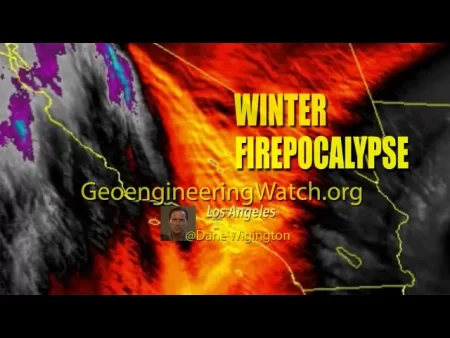


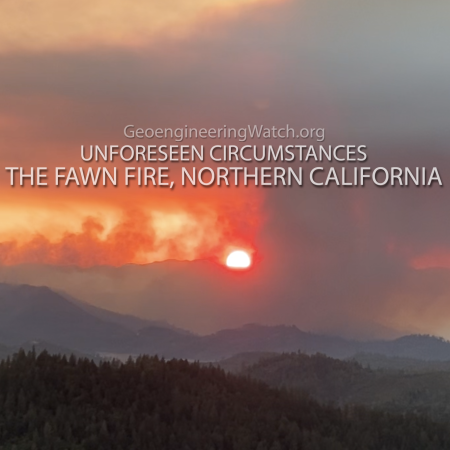


Dane Wigington GeoengineeringWatch.org Are covert climate engineering operations connected to the exponentially increasing wildfires all over the world? June, 2019, was the hottest month ever recorded on our planet. July, 2019, is expected to break the all time heat record that was just set the month before. Scientists are frantically sounding the alarm about accelerating and immense Arctic heat […]
SPACER

SPACER

SPACER


FIRES and Volcanos COOLING EARTH?
The elite are feverishly scrambling to bring everything in line for the implementation of the NEW WORLD ORDER/Great Reset/Agneda 2030/NESARA-GESARA/REGIGN OF THE ANTICHRIST. Why? Because they know that time is short. They know all the Prophecies, they have studied all the ancient texts including the Bible both Old and New Testament as well as all … Click Here to Read More

LIGHTNING WEAPON OF THE GODS.
RESTORED: 2/25/22 Tags: Study of Lightning, Weaponized Lightning, Weather Manipulation, Types of Civilizations, Geo-Engineering, NASA, Department of Defense I know that Americans especially have a hard time imagining that our leaders could really be horribly evil creatures out to destroy us. Wow, that is a hard pill to swallow. But, hiding our heads and hoping … Click Here to Read More


spacer
spacer
 |
The Blog |
America’s Most Dangerous Volcano Awakening—Prophecy Warns What’s Next

Nanospherules (top) in limestone are converted to fibers (bottom) as rocks slip past each other. Credit: Science
Earthquakes jar at the macroscopic level: Ground ruptures; houses shake. But their effects can also be discerned at the nano level. Crushed wear material between rock faces that slip past each other develop patches of mirrorlike areas characterized by nanostructures. Investigating the effect in limestone, researchers led by Berend A. Verberne and Christopher J. Spiers of the Netherlands’ Utrecht University have now found that nanoparticles 5–20 nm in diameter cluster into spherules, which in turn align into nanofibers oriented along the slip direction (Science 2014, DOI: 10.1126/science.1259003). The nanofiber patches are small—10–100-µm wide—and can form with as little as 5-mm rock displacement under typical earthquake-related pressures. The changes in the rock are a product of the energy put into the system, Verberne says. And the movement of the nanoparticles and their alignment into the fibers could play an important role in how the rocks slip. Although Verberne and colleagues only studied limestone, the mirrorlike patches are found in other rock types, suggesting a general mechanism may be at work.
SPACER

Laboratory experiments reveal that extremely fine-grained crystals produced during fault movement can lead to
earthquake instability, offering hints at understanding a potential universal earthquake nucleation process.
Credits: Image courtesy of the researchers.
In Earth’s crust, tectonic blocks slide and grind past each other like enormous ships loosed from anchor. Earthquakes are generated along these fault zones when enough stress builds for a block to stick, then suddenly slip.
These slips can be aided by several factors that reduce friction within a fault zone, such as hotter temperatures or pressurized gases that can separate blocks like pucks on an air-hockey table. The decreasing friction enables one tectonic block to accelerate against the other until it runs out of energy. Seismologists have long believed this kind of frictional instability can explain how all crustal earthquakes start. But that might not be the whole story.
In a study published today in Nature Communications, scientists Hongyu Sun and Matej Pec, from MIT’s Department of Earth, Atmospheric and Planetary Sciences (EAPS), find that ultra-fine-grained crystals within fault zones can behave like low-viscosity fluids. The finding offers an alternative explanation for the instability that leads to crustal earthquakes. It also suggests a link between quakes in the crust and other types of temblors that occur deep in the Earth.
Nanograins are commonly found in rocks from seismic environments along the smooth surface of “fault mirrors.” These polished, reflective rock faces betray the slipping, sliding forces of past earthquakes. However, it was unclear whether the crystals caused quakes or were merely formed by them.
To better characterize how these crystals behaved within a fault, the researchers used a planetary ball milling machine to pulverize granite rocks into particles resembling those found in nature. Like a super-powered washing machine filled with ceramic balls, the machine pounded the rock until all its crystals were about 100 nanometers in width, each grain 1/2,000 the size of an average grain of sand.
After packing the nanopowder into postage-stamp sized cylinders jacketed in gold, the researchers then subjected the material to stresses and heat, creating laboratory miniatures of real fault zones. This process enabled them to isolate the effect of the crystals from the complexity of other factors involved in an actual earthquake.
The researchers report that the crystals were extremely weak when shearing was initiated — an order of magnitude weaker than more common microcrystals. But the nanocrystals became significantly stronger when the deformation rate was accelerated. Pec, professor of geophysics and the Victor P. Starr Career Development Chair, compares this characteristic, called “rate-strengthening,” to stirring honey in a jar. Stirring the honey slowly is easy, but becomes more difficult the faster you stir.
The experiment suggests something similar happens in fault zones. As tectonic blocks accelerate past each other, the crystals gum things up between them like honey stirred in a seismic pot.
Sun, the study’s lead author and EAPS graduate student, explains that their finding runs counter to the dominant frictional weakening theory of how earthquakes start. That theory would predict surfaces of a fault zone have material that gets weaker as the fault block accelerates, and friction should be decreasing. The nanocrystals did just the opposite. However, the crystals’ intrinsic weakness could mean that when enough of them accumulate within a fault, they can give way, causing an earthquake.
“We don’t totally disagree with the old theorem, but our study really opens new doors to explain the mechanisms of how earthquakes happen in the crust,” Sun says.
The finding also suggests a previously unrecognized link between earthquakes in the crust and the earthquakes that rumble hundreds of kilometers beneath the surface, where the same tectonic dynamics aren’t at play. That deep, there are no tectonic blocks to grind against each other, and even if there were, the immense pressure would prevent the type of quakes observed in the crust that necessitate some dilatancy and void creation.
“We know that earthquakes happen all the way down to really big depths where this motion along a frictional fault is basically impossible,” says Pec. “And so clearly, there must be different processes that allow for these earthquakes to happen.”
Possible mechanisms for these deep-Earth tremors include “phase transitions” which occur due to atomic re-arrangement in minerals and are accompanied by a volume change, and other kinds of metamorphic reactions, such as dehydration of water-bearing minerals, in which the released fluid is pumped through pores and destabilizes a fault. These mechanisms are all characterized by a weak, rate-strengthening layer.
If weak, rate-strengthening nanocrystals are abundant in the deep Earth, they could present another possible mechanism, says Pec. “Maybe crustal earthquakes are not a completely different beast than the deeper earthquakes. Maybe they have something in common.”
spacer
It’s All SMOKE AND MIRRORS!!!
Quantum Illusion (MIRRORED VIDEO) (Click to View) RePosted by: Merrimour The Red I submit to you, that we have allowed witches, wizards and magi to become the teachers, preachers and priests over us. This is totally against GOD and against our humanity. God did indeed create heaven and earth, he gave us all the knowledge … Click Here to Read More

Mechanisms of fault mirror formation and fault healing in carbonate rocks
Abstract
SPACER
The tectonic weapon is a weapon used to cause earthquakes in an active seismic environment-here it is necessary to give an idea about the tectonic weapon, as the Soviet Union was the first to develop it, and America and some Western countries followed it. If you search to get more information from the regular resources, you will not get enough information indicating that it is an intelligence weapon. A tectonic weapon works by creating a powerful charge of elastic energy in the form of a deformed volume of Earth’s atmosphere in a region of tectonic activity. This then becomes an earthquake caused by a nuclear explosion at the epicenter or a massive electrical impulse. –Developing tectonic weapon programs that can set off earthquakes from a great distance by manipulating electromagnetic energy-these programs have been “informally known to Western geophysicists for several years and have been conducted three tests in Kyrgyzstan and the last test of the volcano occurred in 1992
spacer

| “A tectonic or seismic weapon would be the use of the accumulated tectonic energy of the Earth’s deeper layers to induce a destructive earthquake”. |
(1). the tectonic weapon functions by creating a powerful charge of elastic energy in the form of a deformed volume of the Earth’s crust in a region of tectonic activity. This then becomes an earthquake once triggered by a nuclear explosion in the epicenter or a vast electric pulse, then becomes an earthquake caused by a nuclear explosion at the epicenter or a massive electrical impulse.
(2) – Developing tectonic weapon programs that can set off earthquakes from a great distance by manipulating electromagnetic energy – these programs have been “informally known to Western geophysicists for several years and have been conducted three tests in Kyrgyzstan and the last test of the volcano occurred in 1992
(3) – I would like to confirm that there are some mysterious events that preceded the earthquake in Turki and Syria and some events that still occupy the headlines of the American press, including the Chinese spy balloon and strange objects flying in the skies of the United States of America and Canada. The CNN report indicated – on Sunday, February 12th that an unidentified flying object continues to occur in restricted or sensitive airspace highlighting potential concerns about flight safety, and added that the observations indicate that the unidentified flying objects that were found around sensitive US military establishments could be a foreign force spying on them
(4) – As for the global events that preceded the earthquake, which confirm the use of the tectonic weapon by intelligence agencies to cause the earthquake in Turki and Syria, they can be monitored and analyzed as follows:
1- The demented extremist Guy who burned the Qur’an in front of the Turkish embassy in Stockholm, Sweden was prompted by journalist Chang Frick, who works with pro-extreme right- wing sites in Sweden that are supported by Russia, according to the Guardian newspaper. (5) – The New Lines USA magazine also revealed documentary evidence of the extent of assistance to a major European party known for its racist policies and anti-foreign, from a major agent of Russia through funding and strategic political support (6), and let’s not forget the former British Prime Minister Boris Johnson, who was forced to resign and they concealed the reason, which was his involvement in working for Russian intelligence.
2-The Dutch astrologer, “Frank Hoogerbeets” who claimed to be a researcher in the geography of earthquakes, predicted in his tweet that a strong earthquake would occur in Turki a few days before the earthquake occurred. And I searched for any information about him on Google and other sources, but I did not get anything that proves that he is an expert with scientific or research qualifications that enables him to predict a major event such as this earthquake, in addition to that, it is scientifically impossible to predict the earthquake with this accuracy that was described by the Dutch agent. It seems that Frank Hoogerbeets suddenly fell by parachute to work with this tweet, for the trend indicates that an intelligence system backed and prompted him to declare this dangerous information. This reminds me of what I wrote in the article “Astrologers lied and lied” that most astrologers and fortune-tellers work for intelligence agencies that give them information to prepare people to accept the event and to remove doubts from the intelligence agency that made the event.
3- There was no impact or even slight damage on the Turkish American Incirlik base, despite its proximity to the epicenter of the earthquake, despite the fact that Turkish regions were affected by the earthquake, which is geographically farther from the American base. And if the earthquake was natural – that is, (not done by an executor), the base of Incirlik close to it would have been affected – and this could be concluded from the fact that the tectonic weapon plays in the ionosphere layer of the atmosphere, and determines the area in which the earthquake is to be implemented as the mechanism of action of tectonic weapons depend on complex coordinates and algorithms, and then uses electromagnetic energy to carry out earthquakes.
4- The embassies of Canada, Germany, Britain, and some Western countries were closed in Istanbul a few days before the earthquake, under the pretext of the possibility of terrorist attacks.!
5- The Russians (who own the tectonic weapon) did not warn the Turks of the possibility of its use by the West to deepen the dispute between Turki and the West and get intensified- this plays in the favor of the Russian fox “Putin”, and therefore justified the issue for President Erdogan to adhere to his hardline regarding the inclusion of Sweden and Finland in NATO. At the same time, the fox Putin did ensure that the West does not use the tectonic weapon in “Crimea”, which Putin seizes on.
6- When you notice confusion in ideas and statements, ambiguity surrounding the events, and preparations for a major event that will happen soon, then search for intelligence services. This is their method, and the events of September 11, are not far from our memory as both are intelligence work par excellence.
A- Erdogan is good at playing cards with the leaders of major countries and knows how to benefit from that without giving up the sovereignty of the Turkish state, and as Trump said about him that he is the best chess player (of course in the game of politics).
B- Removing Erdogan from power, or at least if he succeeds in the elections, he will be weak, as this will facilitate many things, including:
Because the weapon that America sells to the Arabs is under American control when it is used, so in an explicit sense, it cannot be directed towards Israel or any other destination that America does not want, because the weapon is programmed to send a signal to central control in the USA, so the response comes automatically by canceling the strike (the missile) or passing it according to the factory program. This reminds us of the scrap weapons that are sent as part of the US grant to Egypt, which is considered one of the provisions of the Camp David Accords that oblige Egypt to arm a specific weapon that guarantees its entry under US-Israeli control.
6- https://newlinesmag.com/reportage/exclusive-russia-backs-europes-far-right/- March 24,
spacer

SPACER

SPACER

spacer

SPACER
GREAT 10 MIN VIDEO ON IONOSPHERE WARFARE AND ENGINEERED EARTHQUAKES


What Are Earthquake Clouds?
Historical Beliefs and Theories
-
IAN – Act of Nature? Climate Change? Act of God? or WEATHER WEAPON?

UPDATE: Videos added 10/3/22 Dear Friends – Prepare yourselves. The elite have plans to force us out of our homes and our cars. They have developed a bag of tricks that will enable them to do just that. Between the fires, tornados, Super Storms, Earthquakes and Hurricanes they are already making great progress. I don’t … Click Here to Read More
Millions Could Be Washed Away

TAGS: La Palma, volcanic activity, Earthquakes, Tsunami, Tsunami Travel Times, Atlantic Ocean, Pacific Ocean, Fault Lines, Flooding, Canary Islands, US East Coast, US West Coast, New Madrid Fault Line, Fracking, NOAA, NAFTA, Super Highway, Nuclear Power Plants, Dams, Geo-Magnetic Storms, CME, Electro-Magnetic Waves, Frequencies, Sound Waves, Geo Engineering, Weather Manipulation, Glaciers, Global Warming, MAPS, Edgar … Click Here to Read More
WE CAN’T BREATHE!!

BREATH IS LIFE – IT’S WORTH FIGHTING FOR Tags: Chemtails, Weather Manipulation, Holy Spirit, Breath of Life, GeoEngineering, Air Force Whistleblower, Human Modification, Weather Warfare, Hypoxia, COVID 19 Update: 7/29/21 We are living in an artificial world. Can’t trust anything we see, hear, taste, smell, touch, dream, imagine, or think! Everything is being hacked, transformed, … Click Here to Read More

WHAT IS GOING ON IN OUR SKIES??
Today we will look at some interesting videos which may surprise you and leave you flabbergasted. The topic of this post is FREQUENCY WEAPONS. Folks, I hope that you understand that my intention is NEVER to frighten you. My intention is to show you, what God has led me to. Revelation of TRUTH. TRUTH you really … Click Here to Read More

Weaponized Weather for Population Management
DESTRUCTION and DEVASTATION delivered with precision. The aftermath clears the land of all the “undesirables” and makes way for their luxurious lifestyles. Over the last 40 years I have watched the world I live in transmogrify before my very eyes. It has reached the point where I don’t even recognize it any more. There is … Click Here to Read More
GEOENGINEERING, WEATHER MANIPULATION AND THE MILITARY

SPACER
by SOFREP News TeamAug 24, 2023
Here’s how weather manipulation impacts military tactics, and they’re always worth mentioning.

Weather manipulation is a reality in military strategy. / SOFREP art
YOU CAN HEAR THE ENTIRE ARTICLE BY VISITING THE WEBSITE: HERE
Imagine controlling the clouds, summoning storms, or dissipating fog at will. It sounds like a concept ripped straight from the pages of a science fiction novel.
But these fantastical ideas are not merely confined to the realm of fantasy. They are gradually becoming part of our reality through the evolving science of weather manipulation.

SOFREP art
Weather manipulation, once a concept relegated to myth and movie magic, is now an active field of study and experimentation SCiENCE, BEING USED BY AT LEAST 50 COUNTRIES. This powerful tool has far-reaching implications beyond mere convenience or environmental control.
The ability to influence weather patterns is being explored employed by governments, scientists, and, most intriguingly, military strategists worldwide.
The potential applications of weather manipulation in warfare are awe-inspiring and deeply unsettling. Could controlling the weather provide the ultimate tactical advantage on the battlefield? Or might it unleash unforeseen consequences that could spiral out of control?
Weather as a Force Multiplier: Owning the Weather in 2025.
SPACER
 National Technical Reports Library

The National Technical Information Service acquires, indexes, abstracts, and archives the largest collection of U.S. government-sponsored technical reports in existence. The NTRL offers online, free and open access to these authenticated government technical reports. Technical reports and documents in its repository may be available online for free either from the issuing federal agency, the U.S. Government Publishing Office’s Federal Digital System website, or through search engines.
Weather as a Force Multiplier: Owning the Weather in 2025.ADA333462
|
spacer …
MYSTERY FOG WORLDWIDE
If you have not heard about this phenomenon, you really need to take a look at the following videos. Your city may be next. I remember years agon, I saw a video posted online of someone playing with a strange cloud that was on the earth, not in the sky. The person was able to … Click Here to Read More

|
In the occult, fog symbolizes various concepts:
spiritualityessence.com
14 Spiritual Meanings Of Fog: Insights To Mystical Mists
wisdomofthespirit.com
15 Spiritual Meanings of Fog: A Journey Through the Mist – Wisdom Of …
|

United Nations Agreement on Military Use of the Weather Is Signed
The United Nations Agreement on the Military Use of the Weather, formally known as the Convention on the Prohibition of Military or any Other Hostile Use of Environmental Modification Techniques, addresses concerns over the potential military applications of weather modification technologies. Signed on May 18, 1977, by 31 nations, including major powers like the United States and the Soviet Union, this agreement reflects a global commitment to prohibit the hostile use of environmental techniques that could endanger humanity and the environment. The roots of this agreement trace back to the early 1970s, spurred by discussions around the ethical implications of manipulating weather for military gain, particularly during periods of conflict.
Despite the absence of developed weather weapons at the time of signing, the agreement acknowledges the theoretical risks posed by techniques such as cloud seeding, which could potentially be misused for warfare. The U.S. Congress played a significant role in advocating for a ban on such practices, leading to legislative action and international dialogue on the issue. The agreement was ratified by the U.S. Senate on November 28, 1979, reinforcing its significance in global peacekeeping efforts. Overall, this treaty stands as a crucial element in international law aimed at safeguarding the environment and promoting responsible use of scientific advancements in the context of military operations.
United Nations Agreement on Military Use of the Weather Is Signed
On December 10, 1976, the United Nations General Assembly approved an international agreement—the Convention on the Prohibition of Military or any Other Hostile Use of Environmental Modification Techniques—by a vote of 96 to 8, with 30 abstentions. Thirty-one nations including the United States and the Soviet Union signed the Convention on May 18, 1977, and it went into effect on October 5, 1978.
The roots of this Convention go back to 1972, when the United States renounced the use of weather modification for military purposes. Although there was no practical “weather weapon” in use or under development then, nor is there one now as of the writing of this book, it was and still remains a theoretical possibility. For example, the seeding of clouds to produce rain is a technique that goes back several decades: various substances are introduced into clouds in order to stimulate precipitation during times of drought. Such techniques as this might be adapted for warfare. In 1973 the U.S. Congress held a series of hearings on the subject, which resulted in a resolution calling for the prohibition of weather-based weapons. During a meeting between U.S. president Richard M. Nixon and Soviet leader Leonid Brezhnev in the Soviet capital of Moscow in 1974, the two men agreed to schedule a series of future bilateral discussions specifically on the issue of weather modification. After three such discussions between their representatives in 1974 and 1975, the result was a jointly drafted text which, with some modifications, reached the UN General Assembly in the fall of 1976. When that text was signed in May 1977, it was still necessary for the U.S. Senate to ratify it in order for the American endorsement to be valid. That ratification was achieved on November 28, 1979, by a vote of 98 to 0.
SPACER
Geoengineering: Reining in the weather warriors
A half-forgotten UN convention can be dusted down to mitigate tensions over modifications of climate and weather
The World Today
Tracy Raczek
Published 15 February 2022
Image — A meteorological worker in Hebei Province, China, launches a cloud-seeding rocket to stimulate rainfall

While climate change has been dominating the international agenda in recent years, efforts to influence the weather and reflect solar heat have received less scrutiny despite their potential to increase regional tensions.
Countries are increasingly using technology to change conditions in the atmosphere, oceans and ice to improve weather to their advantage or lessen global warming. However, the results of these interventions can cross borders and what may be good for one country may not be good for its neighbours.

This is NOT a hypothetical problem. Iran has already accused Israel of stealing its water by using cloud-seeding that reduces rainfall over its territory. China, which already artificially alters its weather over major cities, plans to be able to modify weather over half its territory by 2025, to the alarm of neighbours including India. And two Middle East rivals – the United Arab Emirates and Saudi Arabia – are scaling up rain-making operations.
The best mechanism for policing such interventions can be found in a UN convention that dates back to the end of the Vietnam war. The Convention on the Prohibition of Military or Any Other Hostile Use of Environmental Modification Techniques, known as the ENMOD Convention, came into force in 1978 and has been ratified by 78 countries, including Russia, the United States, Britain, China and Germany.
The convention was hammered out between the Cold War superpowers following ethical concerns about Operation Popeye – a classified cloud-seeding programme carried out by the US Air Force from 1967-1972 to extend the monsoon season in Vietnam and Laos so roads would be flooded, hampering Viet Cong military movements. Civilian lives, local food production and private property can be damaged or destroyed by this indiscriminate technology when used in conflict.
As the planet rapidly warms, there is an urgent need to revisit ENMOD. The agreement states in Article I that signatories are ‘not to engage in military or any other hostile use of environmental modification techniques having widespread, long-lasting or severe effects as the means of destruction, damage or injury to any other State Party’. The ‘or’ is important. All three criteria – widespread, long-lasting, severe – need not be met and many weather- and climate-modifying technologies meet at least one criterion.
 ENMOD’s Article II outlines which environmental modification technology is covered by the convention. Here again a wide net is cast. It includes ‘any technique for changing – through the deliberate manipulation of natural processes – the dynamics, composition or structure of the earth, including its biota, lithosphere, hydrosphere and atmosphere, or of outer space’. This would cover all weather- and climate-modifying technology currently in use.
The most ambiguous part of the convention – which needs updating and clarification – is the matter of intent. The use of this technology for military or hostile ends is strictly prohibited and violations can be referred to the UN Security Council. ‘Peaceful purposes’ are, however, allowed.
But what happens when it is used with purportedly peaceful intent yet causes harm to a neighbouring country?
This question is all the more difficult as communities and countries look to weather modification and geoengineering to help protect themselves from the worst effects of global warming. Hostile and peaceful intended uses of this technology can become muddled.
The technology falls, generally, into three categories with different objectives: fertilizing the ocean to increase its uptake of carbon; brightening clouds or ice to reflect more sunlight back into space and thus reduce global or local warming; or the most common technology – as seen in agricultural communities or ski resorts – of injecting aerosols into the stratosphere to increase rainfall or snow, or to modify a storm.
Such operations are already under way in more than 50 countries, according to the World Meteorological Organization. Mexico’s Air Force, for example, has begun cloud-seeding in the past 12 months. The Arctic Ice Project, an NGO, intends to deploy small hollow glass beads, composed of silicon dioxide, across parts of the Arctic Sea’s ice and in the Arctic Ocean to increase reflectivity and slow global warming. Australian universities are piloting a salt spray over the Great Barrier Reef to reflect more of the sun’s heat in an attempt to conserve the reef.
Scientists are plagued, however, by the complexities of understanding the technology’s direct impact and its knock-on effects. In the case of cloud brightening – a type of solar radiation management – there is uncertainty over how it might adversely affect ecological systems, agriculture and global warming.
| Marine cloud brightening works by increasing the reflectance of clouds in the atmosphere, which helps to reduce the amount of solar radiation reaching the Earth’s surface. This process is based on the observation that emissions particles, such as soot (SMOKE) , can mix with clouds, enhancing their ability to reflect sunlight. By spraying saltwater droplets into the clouds, marine cloud brightening aims to create a more reflective cloud cover, potentially mitigating climate change effects. Great Barrier Reef Foundation+2 | ||
|
CLOUD BRIGHTENING: Sea salt crystals (MIRROR), stirred up by winds from the ocean’s surface, naturally attract and gather moisture. When air rises, these form the beginnings of tiny cloud droplets. The number of sea salt crystals in a cloud determines how well the forming cloud can reflect away the sun’s rays. Our early R&D into cloud brightening mimics these natural processes by using a specially designed seawater sprayer. Like a marine snow machine, it uses the surrounding seawater to generate hundreds of trillions of microscopic sea salt crystals. These crystals float into the sky to form a fog and bolster the existing clouds’ reflectivity. The sprayer is attached to a barge so it can be moved and used on different areas of the Reef, depending on atmospheric conditions at any given time. SOURCE  |
||
 |
SPACER
The Intergovernmental Panel on Climate Change (IPCC) notes that cloud brightening risks depleting the planet’s ozone layer and affecting regional weather patterns, while doing nothing to reduce ocean acidification. Moreover, for cloud brightening to effectively reduce global warming, it would need to be sustained through wars, economic crashes and technological glitches. Any prolonged interruption would see global warming ricochet up.
In the case of cloud-seeding, there is uncertainty about adverse impacts on neighbouring countries, some of which are already coping with food or water security – concerns that will grow for many as the changing climate alters the distribution, predictability and amount of precipitation.
 Three aspects of the technology’s use have particular security implications. First, the threat that its deployment in one area could affect another. Second, the difficulty in distinguishing harmful effects on neighbouring countries from insignificant ones. Last, the ease with which the technology’s use could be claimed as peaceful yet be covertly applied to harm an adversary.
As countries deploy this technology, there are questions over which international framework is best suited to control it in the context of climate and security.
The answer is ENMOD.
Other UN conventions and forums on the environment and climate, such as the UN Framework Convention on Climate Change, the UN Environment Assembly, the IPCC and the UN Biodiversity Convention are essential to address various aspects of climate change. UN bodies such as the UN Security Council, the Rome Statute of the International Criminal Court and the International Law Commission are also essential in addressing how security affects climate and vice versa.
None of these, however, are mandated to address the use of environment technologies as a weapon. Only the ENMOD Convention has this mandate.
The timing is propitious as well. Article VIII of ENMOD requires the UN Secretary-General every 10 years to check with parties to the convention on the need to review the convention. That time is at hand.
After review failures in 2002 and 2013, the UN Secretary-General is obliged to inquire again with parties no later than 2023. If at least 10 respond positively, the Secretary-General is required to convene a review conference.
Secretary-General António Guterres should utilize the soft power of his office to urge parties to support a robust review of the convention. He should encourage more countries to join the convention, as ever more adopt environment modifying technology.
It is also crucial that the convention be updated to reflect a common and contemporary understanding of ‘peaceful’ and ‘hostile’ intent.
In the face of climate change, countries need first and foremost to reduce emissions and support climate adaptation. Simultaneously, however, they need to attend to the security implications of geoengineering and weather modification. Dusting off ENMOD is the place to start.
THE TRUE CAUSE of CLIMATE CHANGE AND MANY OTHER CHANGES IN OUR WORLD
Once you view this entire post, there should be no doubt in your mind about what is happening to our EARTH! This is a topic I have posted on before, but like I have said many times, when I first started looking for answers and sharing the truth that was revealed to me, there were … Click Here to Read More
THEY’RE PLAYING GOD WITH OUR LIVES

THEY ARE ABOUT TO MAKE THEIR CLIMATE CHANGE AGENDA THE LAW OF THE WHOLE EARTH!! PUNISHABLE BY DEATH IF ANYONE DARES TO QUESTION OR DISOBEY! IT IS THE NEW LAW, AND THE NEW RELIGION. YOU MUST WORSHIP THE ‘SCIENCE’. THIS BECOMES REALITY AT THE UN Climate Change Conference – United Arab Emirates 30 November until … Click Here to Read More

GEOENGINEERING AND WEATHER MANIPULATION TURNS ITS FOCUS ON SPACE

Space geoengineering: Can we control the weather?
Explore how existing and future geoengineering technologies could help humans to manipulate the climate.

Geoengineering is the use of technology to alter Earth’s climate. It may have become the topic of daily small talk, but the weather and its changing states has a big impact on individuals, localized areas and our planet as a whole.
In some countries, the prolonged lack of rain creates harsh, dry conditions, while others are constantly threatened by surges of floodwater.
Severe weather varies drastically from country to country, but one change in climate is common worldwide– global temperatures continue to steadily increase.
Why do some scientists support geoengineering?
As modern technology advances and our understanding of meteorological processes grows, scientists are discovering new ways to control the weather. Instead of succumbing to nature’s schedule, projects are in place to make the skies rain, remove carbon dioxide from the atmosphere and prevent extreme weather events such as hurricanes and flooding. WELL, YOU SURE COULDN’T TELL FROM ALL OF THE LATEST WEATHER DISASTERS. BUT OF COURSE WE KNOW THAT THEY ARE CREATING THEM.
The reasons for weather manipulation can vary from the convenient to the essential. Geoengineering is the term used to describe the manipulation of weather to combat the effects of global warming. These methods are generally split into two categories– carbon dioxide removal and solar geoengineering.
Controlling the weather from space

Geoengineering projects are all created to change Earth’s climate. While many are intended for use on ocean surfaces and in Earth’s atmosphere, not all of these projects are designed to function on our planet.
Can we block the sun?

The first idea for this form of space-based technology came from engineer James Early in 1989. His concept involved building a giant glass sheet of 2,000 kilometres in width, according to the British Interplanetary Society.
When orbiting Earth, this glass structure would serve as a barrier between the sun and Earth, reflecting sunlight back into space and reducing the radiation that entered Earth’s atmosphere. This substantially sized, solid structure would be incredibly expensive to fly to space and would likely need to be assembled in space. In space assembly technology is something that is currently being experimented with, according to the Chinese Journal of Aeronautics.
As we have no long-term human presence on another planetary body, some of today’s scientists have envisaged a more manageable array of smaller mirror satellites and areas of dense asteroid dust to serve as a solar barrier. SMOKE AND MIRRORS, I have been telling you, that is what witchcraft is all about trickery using smoke and mirrors. SCIENCE IS NOTHING MORE THAN WITCHCRAFT.
Another GIANT MIRROR going into space.

SPACER
SINCE THE BEGINNING OF TIME THE DECEIVERS HAVE BEEN FOOLING THE MASSES AND IT’S ALL DONE WITH SMOKE & MIRRORS!
SPACER

spacer
JUST SMOKE AND MIRRORS
|
|
 |

spacer
| CAPNOMANCY – SMOKE DIVINATION Ancient and evocative, smoke blends the commonplace with an edgy element of danger; after all, where there is smoke, there is always fire.Fire is pure energy and smoke is the embodiment of its massive force, making capnomancy, or smoke divination, a powerful reflection for those seeking guidance.Smoke’s magic is in its lightness, the way it stretches skywards,lifts our wishes, even shifts the energy of the dead.Smoke has historically been used to transport the remains of the deceased,lifting their souls from the physical world during cremation. In many cultures, it clears the air and eradicates negativity with energetic clearing and rituals such as smudging. Smoke occupies a position in all major religions and most Native cultures. Quite literally, smoke connects the earthly world with subtle energy. And spiritual entities.In divination, capnomancy falls under the category of pyromancy, aka fire divination, and dates back to the earliest fires created by humankind. People gathered around a fire, observing its flames, embers, and smoke stretch skyward, and looked therein for messages. The first recorded capnomancy was in ancient Babylon, approximately 2000 B.C., when cedar burned in ceremonial fires was translated by priests. Delphi’s oracles were also reported to use smoke in their seeing,as well as ancient Greeks, who preferred animal sacrifices in their smoke reading fires. Druids are believed to have used oak and mistletoe for capnomancy. Another variation was practiced by Etruscans, who threw various seeds into fire and omens were interpreted based on the audible sounds of the popping seeds as they burned.The soot tends to offer a deep dive into the seeker’s questions. Often, full pictures of relationships and business endeavors unfold, complete with likely successes and very possible challenges. Because of its ethereal nature, smoke divination is ideal for reaching across the veil and into the spirit realm. Want to talk to an ancestor, guide, passed loved one, or resident ghost? They can speak with the smoke, as it’s easier for them to manipulate such an ethereal medium. Be sure, however, to set protective wards, in case an unexpected entity makes an appearance. Not joking when I say this: SOURCE |
SPACER
| The Power of Crystals Crystals are minerals capable of receiving, storing, transmitting or amplifying energy.They are often used for healing, prophecy or communication.Different crystals are associated with different elements and have different properties and attributes. Crystal meanings vary depending on the origins, mineral contents, colors, and other historical associations. They are also often associated with Green Witchcraft since it is a nature-based and earth oriented witchcraft.Crystal magic is used for energy-related purposesin spellwork and rituals. SOURCECrystals, with their unique internal structures, are more than just decorative objects;they are believed to emit vibrations and frequencies that can align with and positively affect energy fields.From the quantum physics that explain their properties to the anecdotal evidence supporting their use, they represent a fascinating intersection of science and spirituality. SOURCE |
SPACER
Additional resources
You can read more about solar geoengineering with this explainer article from Carbon Brief. Explore Geoengineering even further with this educational material from Harvard University. For more information about geoengineering in space, NASA has answered 5 common questions about hacking the planet.
Bibliography
- Oxford Geoengineering Programme, “What is Geoengineering”http://www.geoengineering.ox.ac.uk
- McInnes, Colin R. “Space-based geoengineering: challenges and requirements.” Proceedings of the Institution of Mechanical Engineers, Part C: Journal of Mechanical Engineering Science 224.3 (2010): 571-580.
- Baum, Chad M., Sean Low, and Benjamin K. Sovacool. “Between the sun and us: Expert perceptions on the innovation, policy, and deep uncertainties of space-based solar geoengineering.” Renewable and Sustainable Energy Reviews 158 (2022): 112179.
SPACER
GEOENGINEERING AND WEATHER MANIPULATION, WHAT DOES CHINA HAVE THAT WE DO NOT?
China’s Secretive Power: Controlling the Weather – YouTube